The coming years will see significant clashes over how artificial intelligence is managed, with large technology companies investing heavily in political action committees (PACs). These PACs aim to shape laws and elections to favor AI development. This trend creates a division: one side seeks stricter rules to ensure AI's safety and address potential harms, while the other argues that such rules could slow down progress and put the nation behind in global competition. The outcome of these disputes could profoundly impact how AI is built and used.
Political Spending Targets AI Regulation
Technology companies and their supporters are dedicating substantial funds to super PACs. These organizations work to elect candidates who align with their views on AI and to influence legislation.
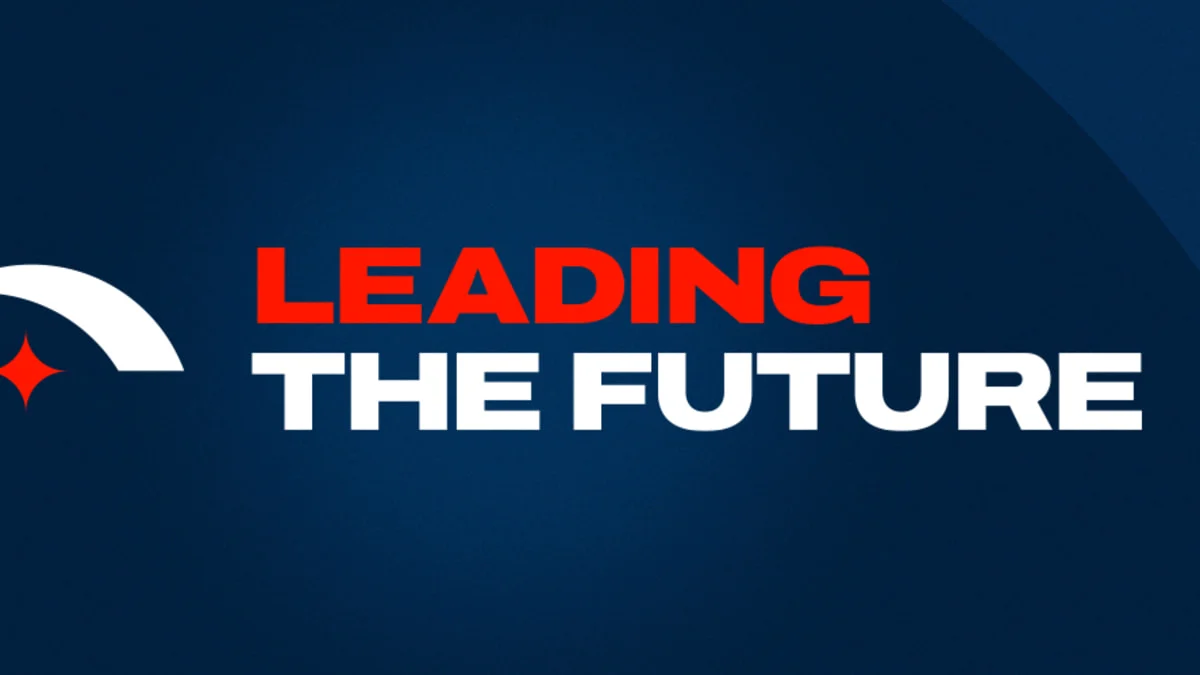
Super PACs Launch: Several super PACs have emerged, funded by prominent figures and companies in the tech industry.
Election Focus: These PACs are actively involved in state and federal election races, aiming to make AI policy a central issue.
Goal: The primary objective is to foster an environment that encourages AI growth by supporting favorable policies and candidates.
Divergent Views on AI Governance
A clear divide has formed regarding the future of AI regulation. One group emphasizes the need for safety measures and oversight, while the other prioritizes innovation and competition.
Advocates for AI Growth
Companies and investors linked to AI are contributing large sums to super PACs. Their argument is that strong regulations, especially at the state level, could stifle innovation and hinder progress in a crucial technological race.
Read More: Veridian Dynamics Has Data Stolen After Cyber Attack
"Leading the Future" PAC: This super PAC is noted for its direct opposition to state-level AI rules, aiming to allow companies to continue developing AI without what they see as restrictive oversight.
Geopolitical Competition: Some argue that rapid AI development is vital for national security and economic strength, especially when competing with other countries like China.
Risk of Hindering Progress: There is a concern that new laws might slow down the development of advanced AI, potentially leading to a loss of competitive advantage.
Push for AI Safety and Oversight
On the other side, lawmakers, AI researchers, and safety-focused groups are calling for guardrails on AI development. They are concerned about issues such as bias in algorithms, the spread of deepfakes, and consumer protection.
State-Level Actions: States like New York and California have begun creating their own AI regulations, requiring companies to implement safety measures.
Bipartisan Concerns: Voices from across the political spectrum have expressed worries about AI's potential societal dangers, leading to bipartisan support for regulation.
Calls for Moratoriums: Some proposals have emerged, including calls for a temporary halt on state AI laws, to allow for a more coordinated federal approach.
Key Legislative and Executive Actions
Specific legislative efforts and governmental actions highlight the intensity of the debate.
Read More: Nation A and Nation B Have Diplomatic Problems After Aircraft Incident

RAISE Act: The Responsible AI Safety and Education (RAISE) Act in New York is a significant piece of state-level legislation focused on AI safety. Its progress has become a focal point in the regulatory battle.
Federal Preemption: There are efforts to establish federal rules as the main governing principle for AI, potentially overriding state laws. This includes discussions about inserting moratoriums on state AI laws into national spending bills.
"AI Litigation Task Force": The White House has reportedly considered creating a task force to challenge state AI laws, indicating a federal push to manage AI governance.
Expert Perspectives
The involvement of large financial backers and the focus on election cycles are drawing attention from various commentators.
"The part that scares Trump’s megadonors the most is that I actually understand AI."
— Alex Bores, referencing a super PAC attack on him
Leading technology firms and venture capitalists are pooling significant financial resources into PACs and lobbying efforts to influence AI regulation across the United States.
— Aragon Research
This new wave of political spending groups adds yet another layer of pressure on lawmakers advancing AI safety efforts.
— Wired
Implications and Future Outlook
The current landscape suggests a prolonged and complex struggle over AI governance. The substantial financial backing for pro-AI development through super PACs directly counters the growing momentum for AI safety regulations.
Read More: AI Can Fool Online Surveys, Changing Research and Opinions
Intensified Political Pressure: The increased spending creates additional pressure on lawmakers already navigating the AI safety debate.
Shaping Future Laws: The success of these PACs in influencing elections and legislation will be critical in determining the future rules governing AI development and deployment.
Balancing Innovation and Safety: The core challenge remains finding a balance between encouraging AI innovation and ensuring its safe and responsible use. The decisions made now will affect critical infrastructure, businesses, and daily life.
Built In: Article focuses on the emergence of pro-AI super PACs and their potential impact on AI regulation in the US, particularly concerning the 2026 midterm elections.🔗 https://builtin.com/artificial-intelligence/ai-super-pacs-2026-midterm-election-regulation
Gizmodo: Details how a super PAC backed by figures like Marc Andreessen is spending millions to oppose state-level AI regulations, citing the RAISE Act in New York as an example.🔗 https://gizmodo.com/marc-andreessen-backed-super-pac-pours-millions-into-fighting-state-ai-regulations-2000691430
Aragon Research: Explains how major tech companies are using super PACs and lobbying to combat AI regulation, arguing that state laws could hinder innovation and national competitiveness.🔗 https://aragonresearch.com/ai-regulation-tech-titans-mobilize-super-pac-funds-to-fight-ai-regulation/
Safe.ai Newsletter: Reports on Big Tech launching a significant pro-AI super PAC and notes Meta's AI reorganization amidst controversy over its chatbot policies.🔗 https://newsletter.safe.ai/p/ai-safety-newsletter-62-big-tech
Wired: Highlights that AI-focused super PACs are heavily involved in upcoming elections, setting up a conflict between those pushing for AI guardrails and the tech industry advocating for unfettered growth.🔗 https://www.wired.com/story/ai-super-pacs-trying-to-influence-midterms/
Red Team News: Discusses the "AI regulation war," focusing on the "Leading the Future" Super PAC's efforts against state regulations and the New York RAISE Act as a key battleground, also touching on potential federal preemption strategies.🔗 https://redteamnews.com/cyber-laws-regulations/the-ai-regulation-war-how-super-pacs-are-shaping-the-future-of-artificial-intelligence-governance/
Debbie Coffey Substack: Reports on tech titans funding the "Leading the Future" super-PAC network to fight AI regulations and provides links for contacting representatives and supporting AI safety organizations.🔗 https://debbiecoffey.substack.com/p/ai-endgame-tech-titans-fund-leading
Read More: AI Company Anthropic Gives Money to Political Group