In the arid landscapes of Rayalaseema, a quiet transformation is underway. Steatite, a seemingly unassuming mineral, is increasingly being re-framed as "white gold," a testament to its burgeoning demand and perceived value. This shift signals a potential economic pivot for the region, moving beyond traditional agricultural narratives to embrace industrial potential.
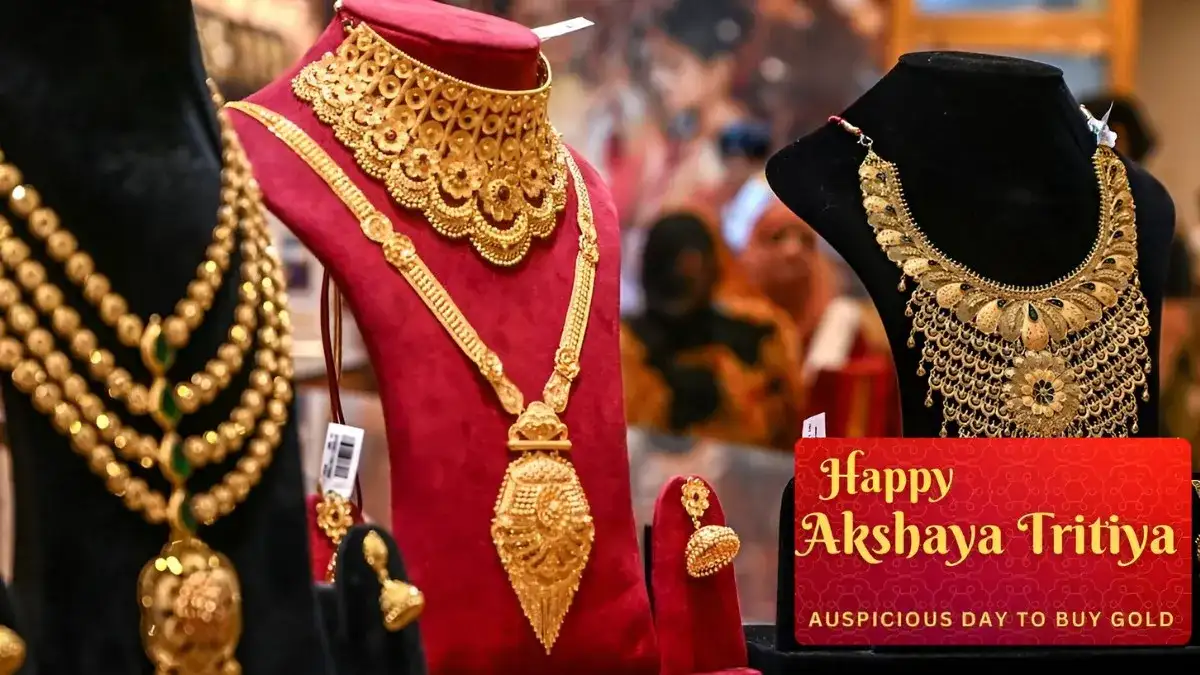
The surge in steatite's importance is intrinsically linked to broader geopolitical and economic currents affecting global commodity markets. While gold itself experienced a mixed reception during the recent Akshaya Tritiya festival, marked by tepid demand due to price surges, the local allure of steatite appears to be growing. This local re-evaluation is happening against a backdrop of international volatility, including disruptions in the Strait of Hormuz and escalating tensions in the Middle East, which typically bolster gold's safe-haven appeal.
Read More: Gas Prices Likely to Stay Over $3 Per Gallon in 2026
A Shift in Local Value Perception
The narrative surrounding steatite's value is distinct from the global gold market. While global gold prices fluctuated, with Akshaya Tritiya—traditionally a major gold-buying occasion—seeing subdued interest as reported just two days ago, the focus in Rayalaseema has turned inward. The region, historically noted for its mineral deposits like dolomite, now sees steatite gaining prominence. This local phenomenon suggests a diversification of perceived value, where locally abundant resources are being re-contextualized under the lucrative "white gold" moniker.
Economic Undercurrents and Investment Horizons
The newfound appreciation for steatite aligns with wider discussions about economic development in regions like Rayalaseema. Promises of industrializing the area have resurfaced periodically, with a noted emphasis on leveraging local mineral wealth. Steatite, known for its diverse industrial applications, presents a tangible opportunity.

"The industrial development of Rayalaseema region is important for economic and political reasons." - A sentiment echoed in past discussions about regional growth.
This local demand for steatite, however, operates within a complex global economic environment. While gold ETFs have shown strong returns, with some offering up to 61% returns, market watchers caution against chasing blind returns. The World Gold Council acknowledges elevated volatility across markets, not just gold, but maintains that gold's strategic role in diversified portfolios remains intact. This suggests that while steatite gains local traction, the global economic signals remain nuanced, with a cautious outlook on market volatility.
Read More: India's Plastic Packaging Use Grows 8-9% Annually
A Different Kind of "Gold Rush"
The phenomenon echoes other instances where a commodity unexpectedly becomes a valuable asset. Just last month, cotton in Nagpur was described as "white gold" due to a sharp rise in demand, pushing rates to nearly Rs 12,000 per quintal, a historic high. Similarly, recent reports indicate China's demand for silver and gold surging, with imports hitting record highs in March amid a solar boom and investment buying.
"Gold and silver markets finished the week largely unchanged, masking underlying geopolitical volatility tied to escalating tensions around Iran and disruptions in the Strait of Hormuz." - An observation from three weeks ago highlighting the disconnect between visible market movements and underlying geopolitical pressures.
The comparison of steatite to "white gold" in Rayalaseema, therefore, is not merely a colorful descriptor but reflects a deeper economic narrative—one where local resources are being recognized for their potential value amidst fluctuating global commodity landscapes and regional development aspirations.