


National Civil Services Day marked by calls for transformation, technological integration, and sustained commitment from the bureaucracy.
On April 21st, 2025, the nation observed Civil Services Day, an occasion where top officials, including Prime Minister Narendra Modi and President Droupadi Murmu, addressed the civil service cadre. The overarching message from the Prime Minister was a directive for the bureaucracy to align every effort towards building a 'Developed India', emphasizing the need for them to become "future-ready" and embrace technological advancements to meet the evolving needs of citizens.
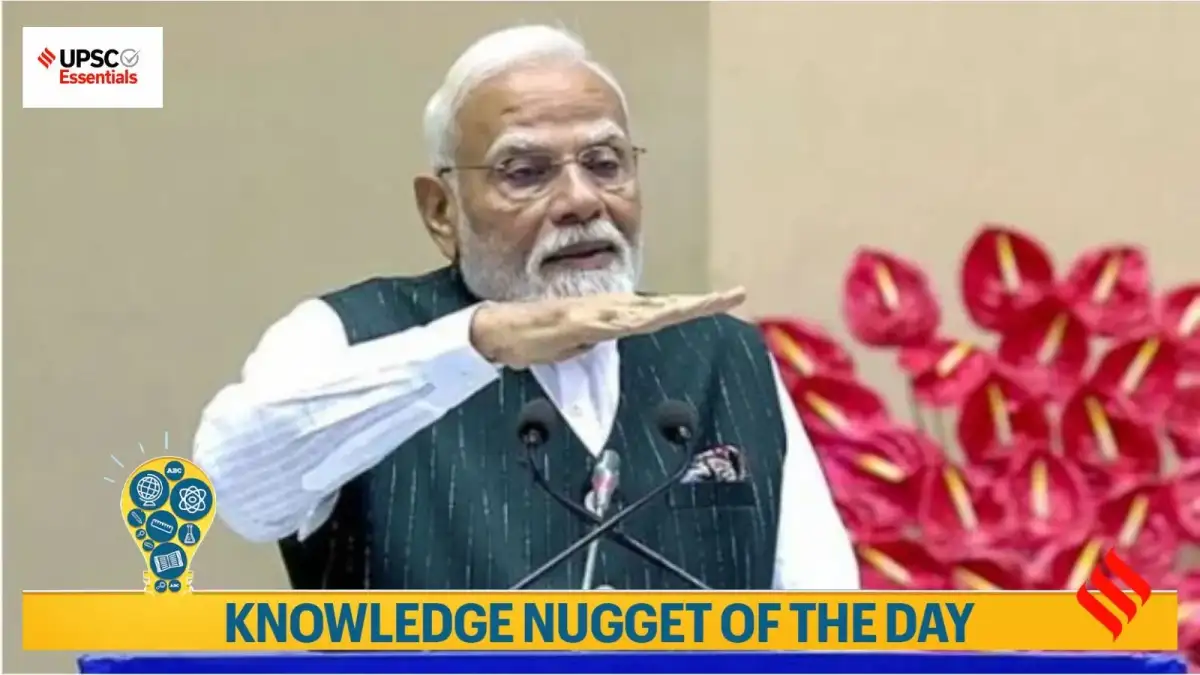
The core directive to civil servants involves reimagining their roles to accelerate reforms across various sectors and to become more agile and technologically adept. Modi highlighted that the policies and decisions enacted today will shape India's trajectory for the "next thousand years," underscoring the profound responsibility resting on the shoulders of the civil services.

A "Steel Frame" Reimagined for the Future
Prime Minister Modi consistently referred to civil servants as the 'steel frame of India', a metaphor he used to acknowledge their foundational role in governance. However, he coupled this with a clear expectation of evolution. The emphasis was placed on capacity building through initiatives like 'Mission Karmayogi' and the utilization of platforms such as iGOT for continuous learning. The goal is to cultivate a bureaucracy that is not only efficient but also innovative and people-centric.
Read More: Australia NDIS Changes Limit Growth to 2% for 4 Years

"The policies and decisions being shaped today will influence India’s destiny for the next thousand years."
The Prime Minister's message also touched upon the need for accelerated reforms, particularly in areas ranging from infrastructure to internal security. He called for a heightened focus on "last-mile delivery" and achieving "saturation of basic amenities," especially as India now holds the position of the world's most populous nation. This implies a need for greater efficacy in implementing government schemes and reaching every segment of society.

Global Benchmarks and Technological Imperatives
Modi pointed to India's recent G20 presidency as an example of successful governance, attributing its success to a 'Janbhagidari' (public participation) model that transformed the event into a "people’s movement." This instance was presented as evidence of India setting new benchmarks in governance, transparency, and innovation on the global stage.
The urgency for technological integration was a recurring theme. Modi cautioned that as the world evolves rapidly, so too must India's bureaucracy. He stressed that governance in the age of technology is not merely about managing systems but "multiplying possibilities." This suggests a shift towards a more proactive and digitally empowered administrative approach.
Read More: Election Commission Gets Complaints Over PM's Speech
Background and Context
Civil Services Day, celebrated annually on April 21st, serves as a platform for civil servants to recommit themselves to public service and excellence. The occasion often includes the presentation of awards for excellence in public administration, recognizing outstanding work in areas like holistic district development and innovation. This year's events also coincided with the 75th year of India's Constitution and the 150th birth anniversary of Sardar Vallabhbhai Patel, underscoring the historical significance of the civil services.
The speeches from President Murmu and Union Minister Amit Shah echoed the Prime Minister's sentiments, praising the dedication of civil servants and their vital role in nation-building, emphasizing their contribution to an "equitable and progressive nation."


