Major international financial and energy institutions are calling for an immediate halt to countries hoarding energy supplies and implementing export restrictions. This coordinated appeal from the International Monetary Fund (IMF), World Bank, and International Energy Agency (IEA) suggests these actions are significantly exacerbating what they describe as the "biggest shock ever" to the global energy market.

IEA chief Fatih Birol stated that multiple nations are currently retaining stocks and blocking exports, urging a release of these supplies back into the market. These hoarding practices, coupled with export controls, are expected to lead to downgraded global growth forecasts and increased inflation figures. The IMF is scheduled to release its updated economic projections today, with the IEA set to publish a new monthly oil market report.
Fuel Prices Fuel Broader Economic Disruption
The repercussions of this energy crunch extend beyond fuel pumps. Rising oil prices are beginning to influence food costs, though economists caution that panic-buying groceries only amplifies the problem. The full impact on food prices can take months to materialize, as higher energy costs work their way through the complex food supply chain – from transportation to storage.
Read More: Goldman Sachs predicts 15 million US jobs lost to AI by 2036
Weak governance and fears of future shortages are cited as drivers of hoarding instincts, leading to organized fuel hoarding and the artificial creation of scarcity in some regions. Governments, facing pressure, are reportedly resisting immediate fuel price hikes despite these pressures.
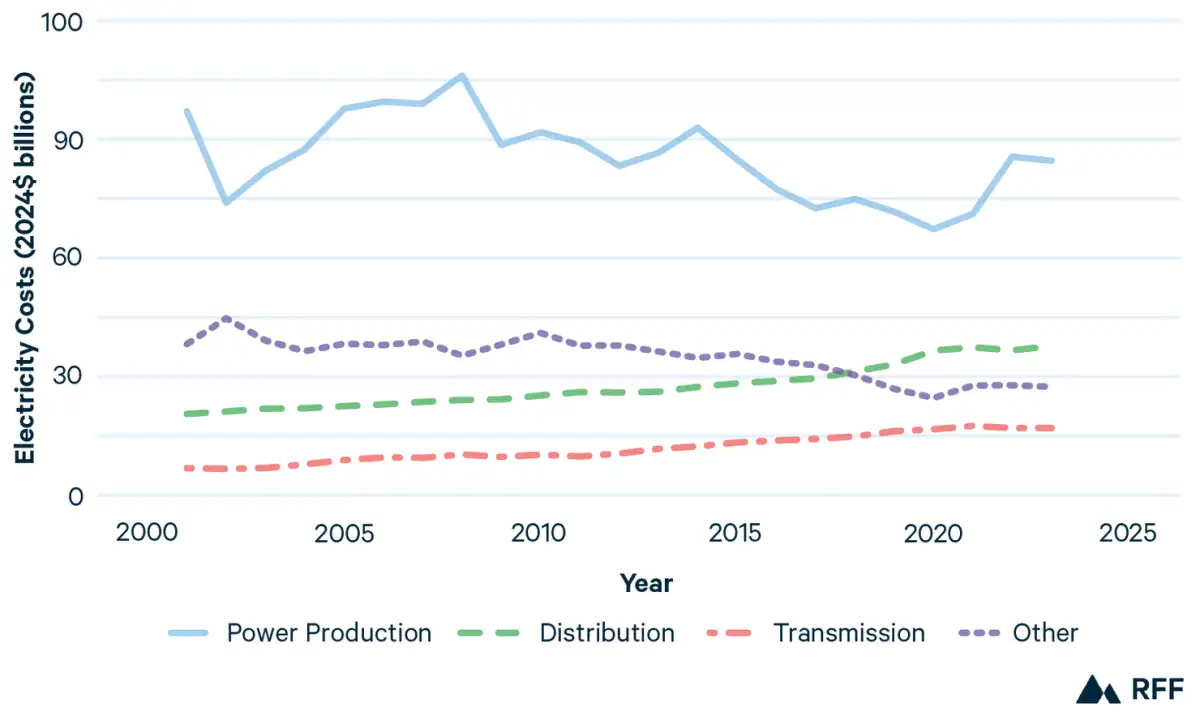
Underlying Causes of Rising Electricity Costs
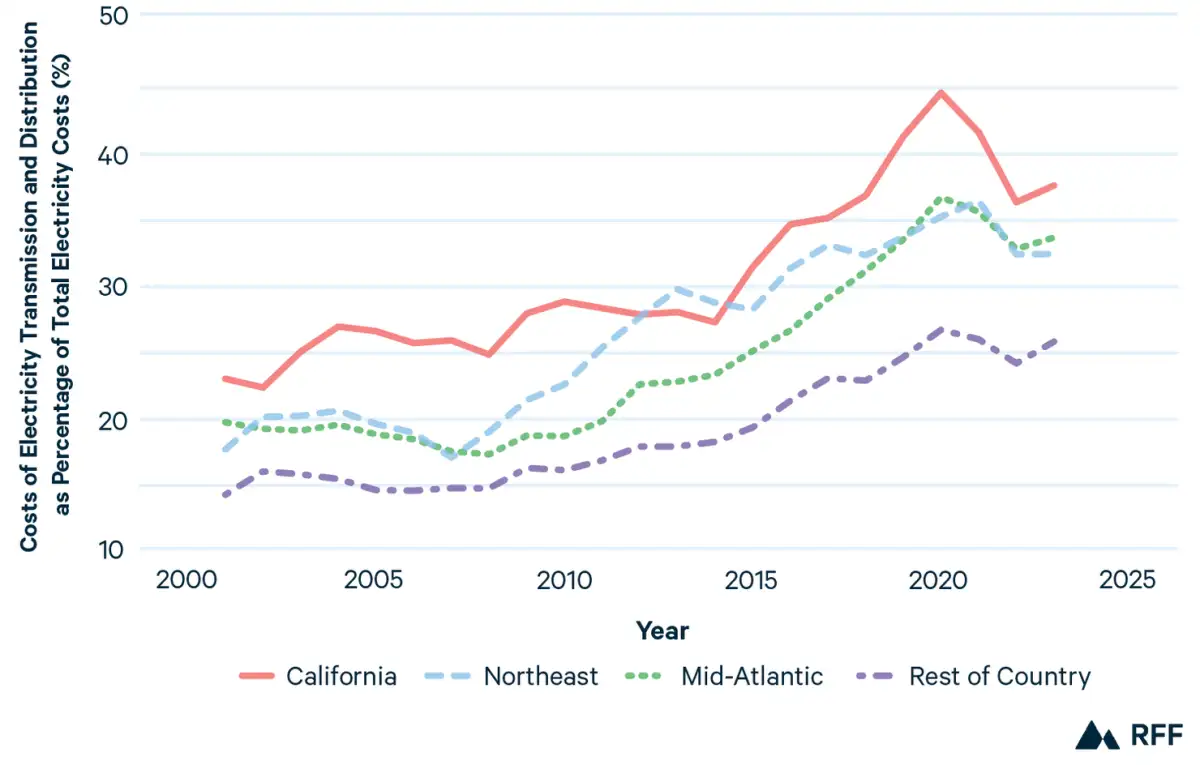
Meanwhile, electricity prices are also on a relentless upward climb across the United States, outstripping general inflation. Experts point to several factors contributing to this trend:
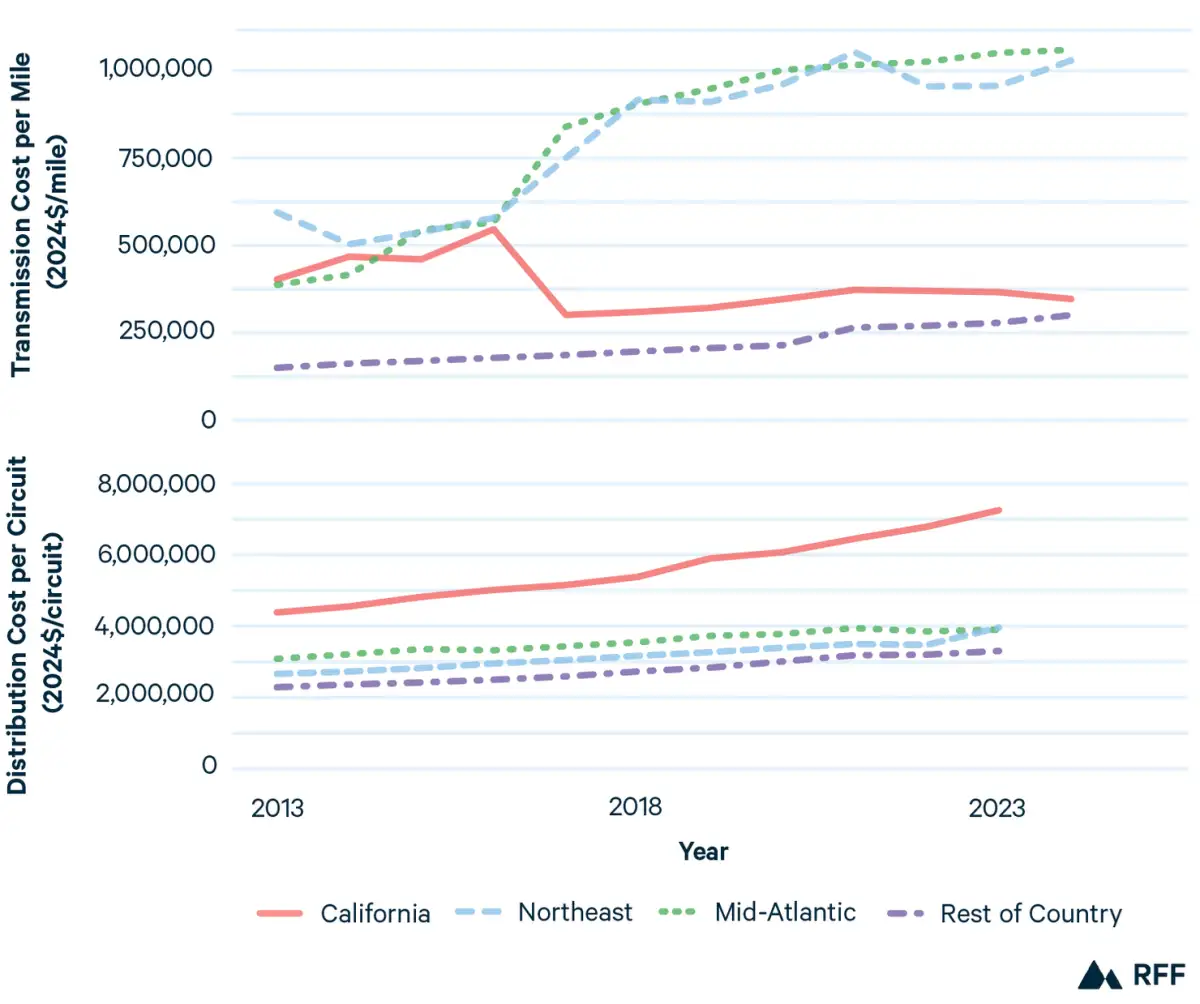
Infrastructure Costs: Significant increases in the cost of building and maintaining transmission and distribution infrastructure are a primary driver. This includes expenses related to large power lines and local distribution networks.
Natural Gas Market Fluctuations: While not the sole cause, a recent spike in natural gas prices, which power many electricity generation plants, has played a role.
Grid Modernization Delays: Years of underinvestment in the power grid, aimed at keeping prices down, are now catching up, necessitating costly upgrades.
Increased Demand: U.S. power demand, which was once stagnant, is now ticking upwards. Demand from data centers, driven by enthusiasm for artificial intelligence, is also contributing to increased power needs.
Geographic and Structural Constraints: For certain regions, like Hawaii and Alaska, geographic isolation and unique grid structures contribute to persistently high electricity bills.
Global Context and Historical Parallels
The current situation echoes past energy crises, with Russia’s role as a major energy supplier being a significant factor, particularly with reduced Russian oil and gas on the market. While investments in renewable energy continue, reliance on fossil fuels, such as natural gas for electricity generation in some regions like the UK, keeps prices tethered to global commodity markets. Some historical efforts to address energy supply, such as calls for companies not to export gasoline and diesel fuel, highlight the complex interplay between domestic supply and international markets.
Read More: UN Panel Warns AI Risks Grow Faster Than Science and Rules