


A growing movement embracing unpasteurised (raw) milk is drawing increasing attention, with proponents citing perceived health benefits. However, health experts and public health officials are issuing stark warnings about the significant risks associated with its consumption, particularly in light of recent avian flu detections in raw milk supplies. The debate underscores a wider tension between a desire for natural foods and established public health guidelines.
The Allure of Untreated Dairy
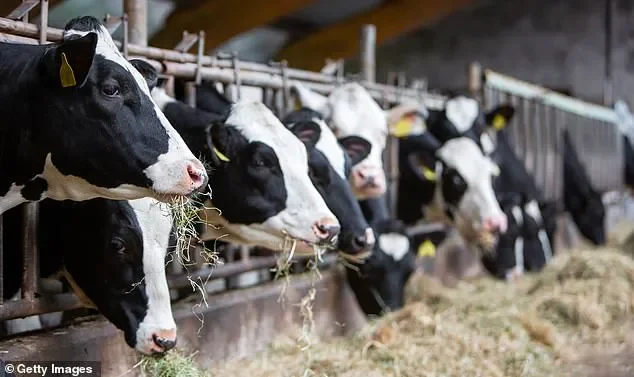
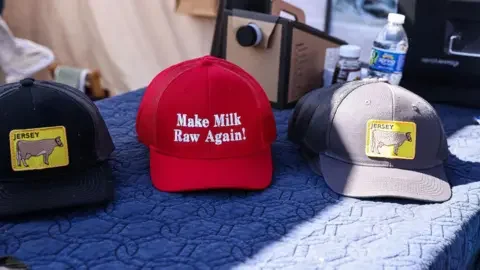
The trend of consuming raw milk, which has not undergone pasteurisation, is gaining traction, especially among health-conscious consumers. Advocates suggest that this unheated milk retains beneficial bacteria and enzymes lost during pasteurisation, leading to improved digestion and other health advantages. This surge in interest is fueled, in part, by social media influencers and a broader cultural shift towards natural and less processed foods. Some also connect it to a distrust of established institutions and experts.
Read More: India IVF Costs And Social Barriers Limit Access In April 2026
Scientific and Public Health Perspectives
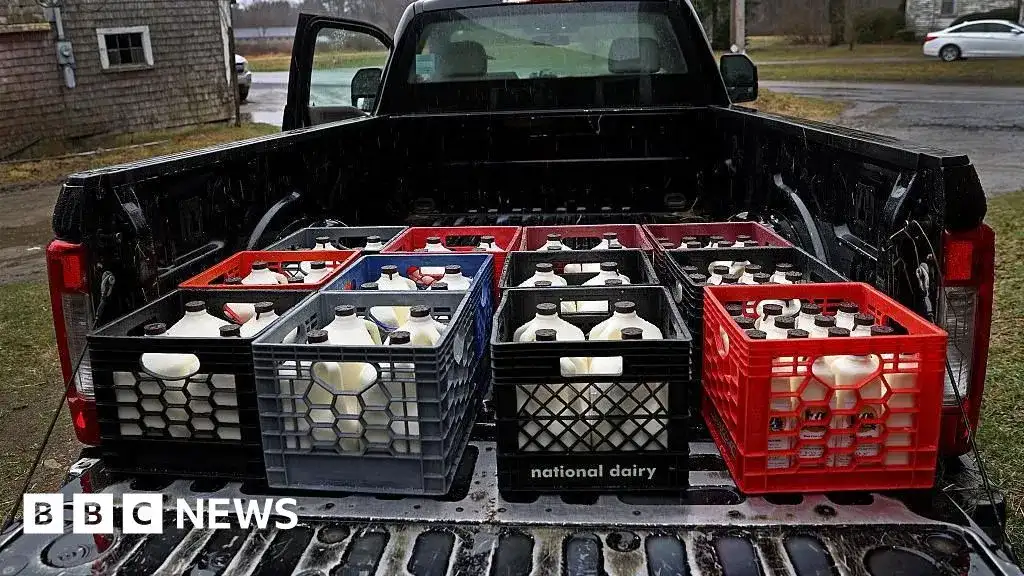
Public health bodies, including the CDC and WHO, emphasize that raw milk can harbor dangerous pathogens like Salmonella, E. coli, and Listeria. Pasteurisation, a process of heating milk to kill these harmful bacteria, is considered a crucial safety measure. Experts argue that the perceived benefits of raw milk are not supported by robust scientific evidence, and the risk of severe foodborne illness outweighs any unsubstantiated advantages.
Contamination Concerns: Avian Flu and Beyond
Recent findings of the avian flu virus in multiple batches of raw milk have amplified concerns. While no human cases have been definitively linked to consuming infected raw milk, the presence of the virus in dairy herds and subsequent detection in milk samples raise significant public health questions. Health departments have warned that individuals who drink raw milk could theoretically become infected.
Avian Flu in Raw Milk: Multiple batches of raw milk from at least one producer have tested positive for the avian flu virus.
Transmission Uncertainty: The exact risk of human transmission through raw milk consumption is still under investigation, but officials advise caution.
Broader Pathogen Risk: Beyond avian flu, raw milk is known to carry other serious pathogens like Listeria, Salmonella, and E. coli.
The Legal Landscape and Regulatory Responses
The sale and distribution of raw milk are subject to varying regulations. In the United States, federal law prohibits the sale of raw milk across state lines, while individual states have their own rules, leading to a patchwork of legality. Some regions, like Scotland, have banned all sales of raw milk. These regulatory differences add complexity to the debate and enforcement efforts.
Read More: Carrot Extract Tricks Fake Ghee Tests in New Study
Interstate Sales Ban: Federal law in the US restricts the sale of raw milk across state borders.
State-Level Variation: Individual states determine the legality of raw milk sales within their borders.
Outright Bans: Some jurisdictions have implemented complete bans on raw milk sales due to safety concerns.
The Role of Influencers and Misinformation
Social media platforms have become a significant arena for promoting raw milk. Content creators and influencers, sometimes without established health credentials, are reportedly spreading claims about the benefits of raw milk while downplaying its risks. This dissemination of information, sometimes referred to as misinformation, is seen by some experts as undermining public trust in credible health guidance.
Influencer Promotion: Social media personalities are actively promoting raw milk consumption.
Downplaying Risks: Claims about benefits often overshadow warnings about potential dangers.
Erosion of Trust: This trend is perceived by some as contributing to a decline in public trust in established health authorities.
Expert Voices on Raw Milk Safety
Public health officials and medical professionals consistently advocate for pasteurised milk as the safer option. They highlight the historical success of pasteurisation in dramatically reducing milk-borne illnesses.
"Consuming raw milk can lead to serious health risks, especially for certain vulnerable populations." - CDC
"The likelihood of getting sick from raw milk is small, it’s much smaller with pasteurised milk." - Foodunfolded.com
"Experts believe the infection was likely contracted when the infant's mother drank raw milk during her pregnancy." - BBC News
Conclusion and Implications
The resurgence of interest in raw milk presents a public health challenge. While advocates point to perceived natural benefits, the consistent warnings from health experts regarding the potential for serious bacterial contamination, including recent concerns about avian flu, cannot be overlooked. The legal and regulatory inconsistencies further complicate efforts to ensure public safety. Further investigation into the transmission pathways of avian flu through dairy products and the efficacy of existing safety protocols is warranted. Continued public education on the established risks associated with raw milk consumption remains paramount.
Read More: Georgia Toffolo's Lake Como Trip After Fertility Talks
### Sources Used:
Daily Mail - Reports on the raw milk trend, perceived dangers, and regional bans.
BBC News - Details a case of infant death linked to Listeria from raw milk consumption.
The Guardian - Explores the debate surrounding raw milk, its potential risks, and the detection of bird flu.
Rolling Stone - Investigates the reasons behind the promotion of raw milk, including social media influence.
Food Unfolded - Discusses the comeback of raw milk, pasteurisation, and scientific claims.
AAP.org - Fact-checks claims about raw milk, highlighting its dangers and risks.
The Guardian - Covers the growing debate and safety concerns surrounding raw milk in the US, including avian flu testing.
CDC - Provides information on the risks of raw milk consumption and recommends pasteurised alternatives.
Food Safety News - Reports on studies indicating the risks of drinking raw milk, including avian flu detection.
Food & Wine - Examines whether raw milk is safe to drink and the influence of social media.
The Guardian - Discusses the "raw milk revolution" and its differing appearance and taste.
The Week - Explores the shift in perception of raw milk from a niche health food to a conservative cultural symbol.
ABC News - Addresses concerns from experts about content creators and influencers promoting raw milk.
CBS News Pittsburgh - Discusses the increasing consumption of raw milk and its associated health risks.





:max_bytes(150000):strip_icc()/ar-ice-cream-recall-revision-ar-adobe-2x1-d0f30fb6a96f4500baf9d27f9d387609.jpg)