A 37-year-old Australian farmer, Kaitie Nash, is currently navigating life with a recently diagnosed neurological disorder that has significantly impacted her daily routines and ability to work. The condition, identified as Functional Neurological Disorder (FND), manifested abruptly while she was performing a common household chore, leading to a cascade of debilitating symptoms.
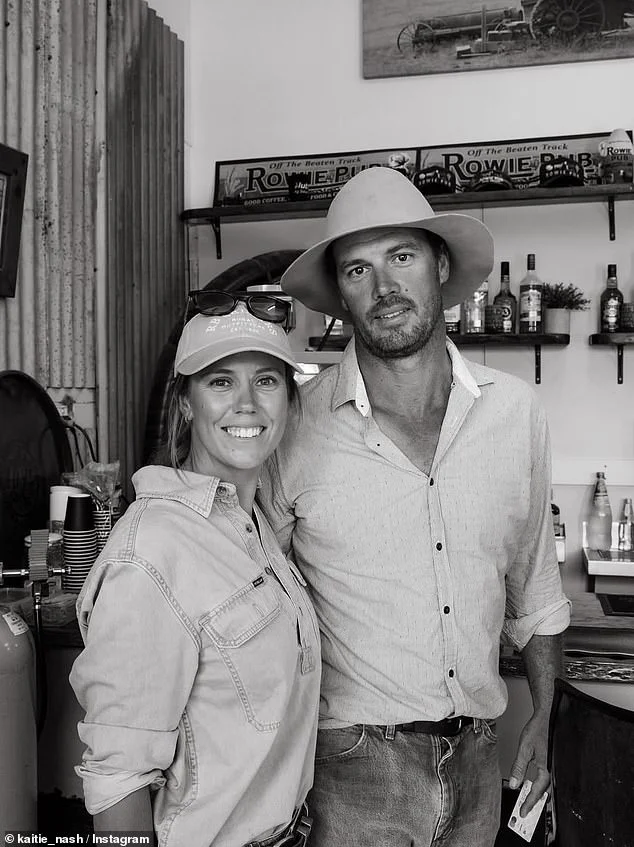
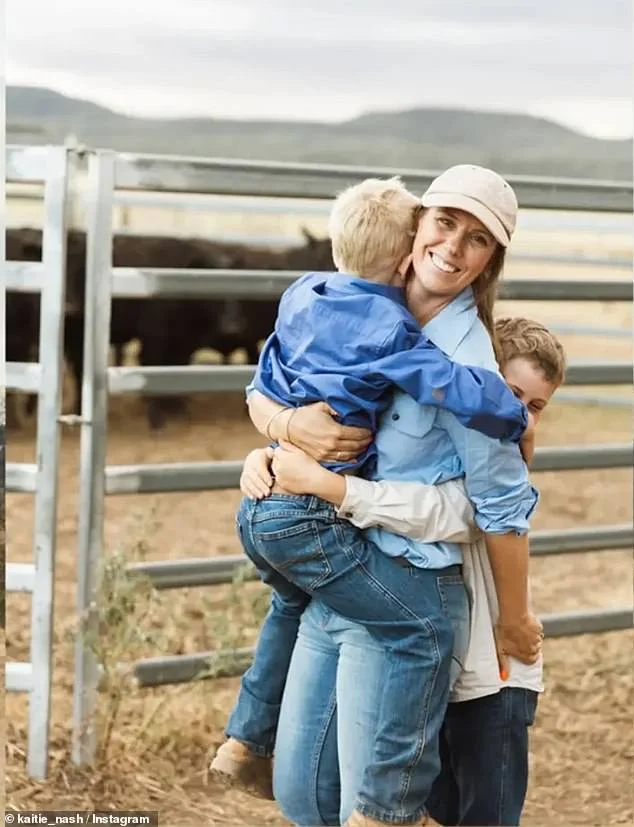
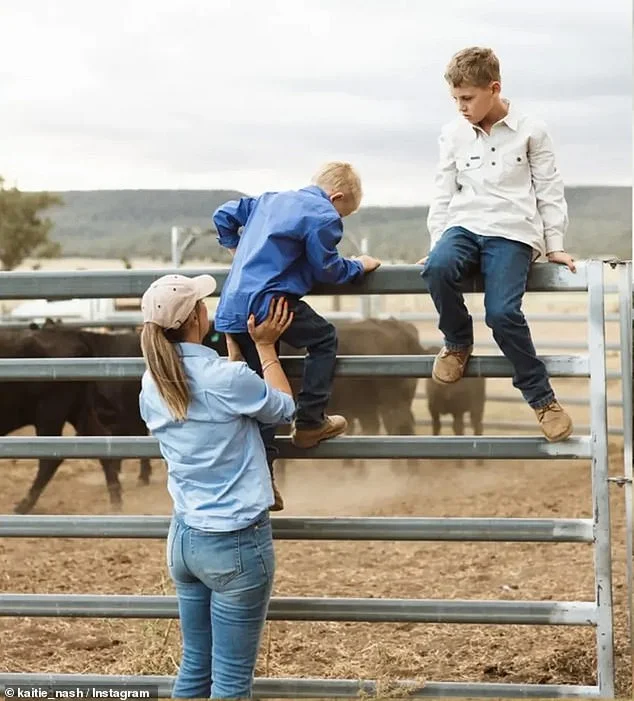
Kaitie Nash and her husband relocated their young family to rural New South Wales in 2018 to establish a cattle farm. Prior to her diagnosis, Nash had been adapting to rural life, a shift from her city upbringing. This transition, as indicated in other accounts, presented its own set of challenges, impacting her mental health. Her ongoing efforts to raise awareness and seek treatment for FND are underscored by the urgent nature of her situation, particularly given the three-month restriction on her driving ability. This limitation is described as "life-altering" given her remote rural location and farm responsibilities.
Read More: Feeling Dizzy or Heart Racing When Standing Up? Know Why and What to Do
Emergence of Symptoms and Diagnosis
The onset of Kaitie Nash's condition occurred unexpectedly while she was hanging laundry. Reports detail a sudden and alarming physical reaction:
Her hands turned blue.
Subsequently, she was unable to open her eyes, lift her arms, or speak, despite remaining conscious.
These events precipitated a medical evaluation and the subsequent diagnosis of Functional Neurological Disorder (FND). FND is characterized by neurological symptoms, such as movement or sensory problems, that are found to be not caused by another distinct neurological disease.
Functional Neurological Disorder (FND)
Functional Neurological Disorder (FND) is a medical condition that affects how the brain and nervous system send and receive signals. Unlike conditions with clear structural or biochemical abnormalities, FND is diagnosed based on the presence of symptoms that are inconsistent with known neurological diseases.
Read More: Australia Wins Two Gold Medals in Moguls at 2026 Winter Olympics
Nature of Symptoms: The symptoms associated with FND can vary widely and may include tremors, paralysis, seizures, sensory disturbances, and speech difficulties. In Nash's case, the immediate presentation involved tremors, inability to move limbs, and loss of speech, alongside the striking discoloration of her hands.
Diagnosis Process: Diagnosing FND typically involves a thorough neurological examination and tests to rule out other potential causes for the symptoms. The diagnosis is made when the symptoms are considered positive signs of FND.
Treatment and Recovery: Treatment for FND often involves a multidisciplinary approach, including physiotherapy, occupational therapy, and psychological support. The goal is to help individuals manage their symptoms and regain function.
Impact on Daily Life and Farm Operations
The diagnosis of FND has introduced significant disruptions to Kaitie Nash's life, particularly concerning her ability to manage farm duties and maintain independence.
Read More: Experts Warn About Dangers of Raw Milk as Bird Flu Found

Mobility Restrictions: The imposed three-month ban on driving represents a substantial impediment. Living and working on a remote rural property necessitates the use of vehicles for daily tasks, commuting, and accessing essential services. This restriction directly impacts her operational capacity on the farm.
Daily Functionality: The persistent daily tremors and other seizure-like episodes described directly interfere with her capacity to perform everyday activities.
Support Networks: Nash has actively sought connection with others experiencing similar conditions, joining online support groups. This engagement underscores a broader effort to raise awareness about FND, a condition described as "little-known."
Pre-existing Challenges and Transition to Farming
Information gathered from other sources indicates that Kaitie Nash's journey into farming, while an opportunity, has been met with considerable difficulty.
Rural Relocation: The move from Darwin to rural New South Wales in 2018 marked a significant life change, involving the establishment of a cattle farm.
Mental Health Toll: Prior to the FND diagnosis, Nash has spoken about the considerable toll that adapting to farm life took on her mental health. This suggests a period of adjustment that was already demanding.
Coping Mechanisms: Accounts mention her experience with mental health during challenging times, implying she has developed coping strategies through this journey.
Expert Analysis
While direct expert commentary on Kaitie Nash's specific case is not available in the provided materials, general insights into FND can be drawn. Functional Neurological Disorder is a real neurological condition, often misunderstood due to its symptom-based presentation rather than a visible structural abnormality in the brain.
Read More: Victoria Wins AFL Origin Game, But Player Injury Causes Worry
"FND represents a disorder of how the brain functions, not a disorder of brain structure. It's a complex interplay between neurological and psychological factors." This perspective highlights the need for comprehensive understanding and treatment approaches that address both physical and mental aspects.
The sudden onset of severe symptoms, as described in Nash's case, is a recognized pattern within FND presentations. The trigger event, while seemingly mundane, can initiate the manifestation of symptoms in individuals predisposed to the condition.
Conclusion and Next Steps
Kaitie Nash is confronting a serious neurological diagnosis, FND, which has abruptly altered her life and capacity to manage her farm. The sudden manifestation of symptoms, including tremors and functional paralysis, necessitates ongoing medical management and has resulted in significant daily life restrictions, most notably a driving ban.
Read More: New Ways to Check Breast Cancer Survivors for Health
Her proactive engagement in seeking support, raising awareness, and sharing her experiences indicates a determination to navigate this challenging period. The impact of FND on her ability to operate the farm, coupled with the prior mental health pressures of transitioning to rural life, presents a complex situation.
Further steps likely involve continued medical intervention, adherence to rehabilitation programs, and ongoing efforts to adapt to the practical implications of her condition on the farm. The focus remains on managing her health, regaining functionality, and continuing to advocate for greater understanding of FND.
Sources:
Article 1: How farmer's life changed after terrifying diagnosis no one saw coming
Published: 17 minutes ago
Summary Context: Provides the core narrative of the sudden onset of symptoms, the diagnosis of FND, and its immediate impact on Kaitie Nash's life, including mobility restrictions and her efforts to raise awareness.
Article 2: First time farmer - AustralianFarmers
Published: Feb 2, 2025
Link: https://farmers.org.au/farmerprofile/first-time-farmer/
Summary Context: Offers background on Kaitie Nash's transition to farming and mentions the mental health toll associated with this significant life change.
Article 3: S4 Ep 3 - First time Farmer
Seen on: Bing
Link: https://www.angieasimus.com/post/s4-ep-3-first-time-farmer
Summary Context: A podcast episode featuring Kaitie Nash discussing her farm journey, mental health, and improving farm skills, suggesting prior challenges beyond the recent diagnosis.
Article 4: Australian Farmers: Telling Our Story: S4 Ep 3 - First time Farmer
Seen on: Bing
Link: https://australianfarmerstellingourstory.libsyn.com/s4-ep-3-first-time-farmer
Summary Context: Appears to be related to the podcast mentioned in Article 3, reinforcing themes of Kaitie Nash's farm life experience and mental health.
Article 5: 216: Farm life wasn't always a laughing matter for first time farmer Kaitie Nash
Seen on: Bing
Summary Context: A podcast episode title that directly addresses the difficulties Kaitie Nash has faced in her farm life, indicating a history of struggle prior to the FND diagnosis.
Read More: Australian Skier Laura Peel Out of Olympics with Knee Injury