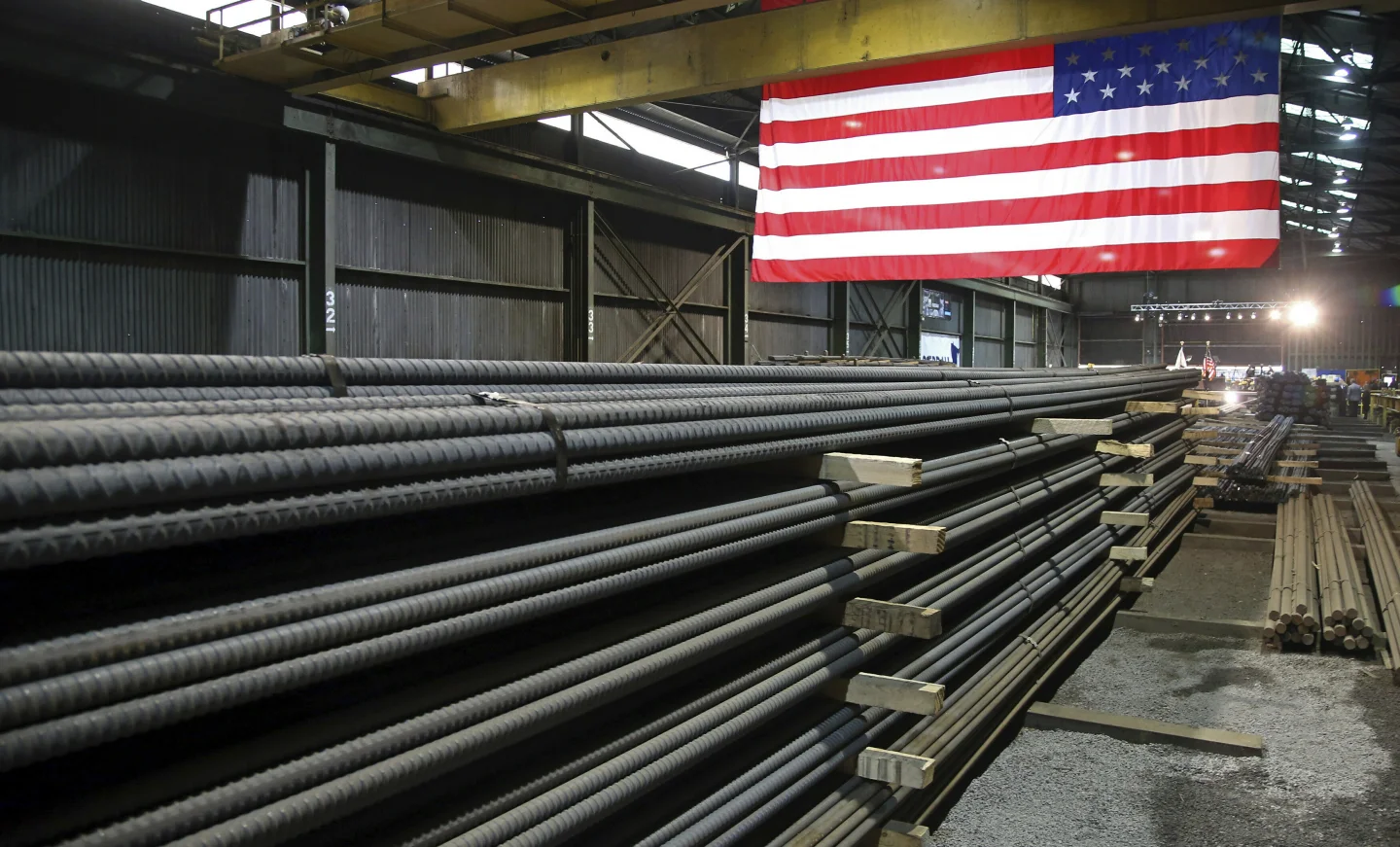
The push to "make manufacturing great again" in the United States faces significant challenges, with evidence suggesting that bringing back jobs and output is more complicated than often portrayed. While some policies aim to boost domestic production, a deeper look at productivity trends, global labor costs, and the very nature of manufacturing's evolution reveals a more intricate landscape. The discussion around reviving the "hard-hat economy" overlooks many of these deep-seated issues.
Shifting Landscape of US Manufacturing
For years, the narrative surrounding US manufacturing has been one of decline and the promise of a return. This aspiration, championed by various political figures, aims to reverse job losses attributed to trade agreements and globalization. However, the reality on the ground presents a more nuanced picture, where factors beyond policy decisions play a crucial role.
Read More: Fewer People Coming to UK May Hurt Economy
Historical Trends: Manufacturing jobs saw a period of growth during a past presidency, fueled by promises to restore lost employment.
Productivity Stagnation: A significant slowdown in manufacturing productivity growth occurred approximately 15 years ago, even as overall economic productivity continued to rise.
Output Levels: Despite policy support, US manufacturing output has not fully recovered to pre-pandemic levels.
Economic Factors Complicating Revival
Efforts to bolster US manufacturing are often met with the realities of global economics and evolving business practices. These factors influence the cost of production and the willingness of businesses to invest in domestic operations.
Labor Costs: A persistent issue is the considerably lower cost of labor in many other countries compared to the United States.
Union Demands: US manufacturers have had to navigate demands from labor unions, which can affect operational costs and flexibility.
Manufacturer Uncertainty: Surveys indicate that manufacturers are currently cautious, partly due to concerns about the upcoming US presidential election and the direction of interest rates. This uncertainty has led many employers to pause hiring plans.
The Complexity of Tariffs and Trade
While tariffs are often presented as a tool to encourage domestic production, their effectiveness in bringing manufacturing back to the US is questioned.
Read More: New Tip Line to Report Unsafe Trucks After Many Deaths
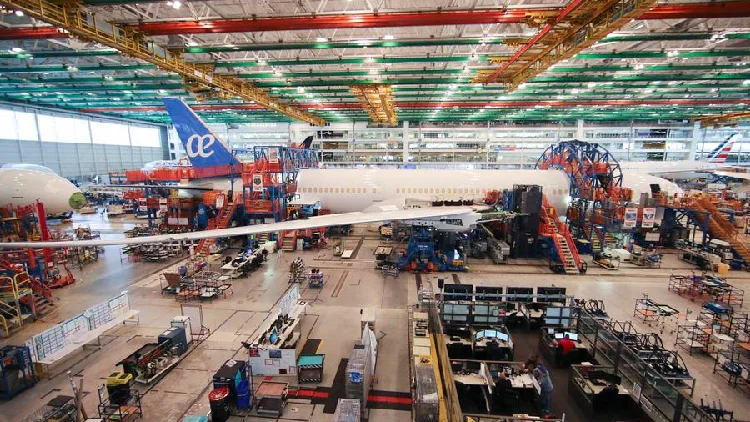
Tariff as a Tax: Tariffs function as a tax on imported goods, and their current levels may not be sufficient to significantly alter manufacturing location decisions.
Global Interconnectedness: Other countries have developed expertise and efficient processes in manufacturing, making it easier for them to supply goods to the US market. The ease with which foreign countries can transfer their manufacturing knowledge presents a challenge.
Technological Shifts and the "New" Manufacturing
The evolution of manufacturing itself, driven by technological advancements, offers both challenges and opportunities for the US.
Industrial Revitalization: New manufacturing technologies are emerging, aiming to make American factories more competitive.
Additive Manufacturing: The US is at the forefront of technologies like 3D printing, nanotechnology, and bioengineered materials.
Global Supply Chains: A global re-evaluation of supply chains is underway, potentially creating openings for domestic production.
Small Business Role: The success of mid-market manufacturers, described as the "heart of American manufacturing," is seen as crucial. These businesses provide essential jobs and anchor communities.
Expert Analysis
"People are not machines, they are not numbers on a spreadsheet or inputs into a manufacturing cost formula."— Molson Hart, Article 1
Read More: Minister Goyal and Rahul Gandhi Disagree on India's Economy
This statement highlights a perspective that views the human element and complex motivations behind manufacturing decisions as distinct from simple economic calculations.
"The story US manufacturing was one of fast productivity growth, which propelled production increases despite stable or falling employment."— Article 2
This observation points to a historical dynamic where increased efficiency, rather than job growth, drove production in the past.
"Many manufacturers are currently on edge over the upcoming US presidential election and the fate of interest rates, which have led many employers to put their hiring plans on hold."— Article 3
This underscores the immediate impact of political and economic uncertainty on business decisions regarding manufacturing investment and hiring.
Conclusion
The objective of revitalizing US manufacturing is multifaceted. While policy initiatives and technological advancements offer potential pathways forward, they must contend with deeply embedded economic realities. Global labor cost differentials, the complex interplay of trade policies, and the inherent uncertainty stemming from political and economic shifts present substantial hurdles. The success of this endeavor may depend on a comprehensive understanding of these dynamics, rather than solely focusing on a return to a past model.
Read More: Judge Says U.S. Must Help Some Venezuelan Migrants Come Back
Sources Used:
Molson Hart: https://www.molsonhart.com/blog/america-underestimating-the-difficulty-of-bringing-manufacturing-back
The Guardian: https://www.theguardian.com/business/2026/feb/14/trump-manufacturing-jobs-economy
CNN Business: https://www.cnn.com/2024/09/26/economy/us-manufacturing-trump-harris-plans
RealClearPolicy: https://www.realclearpolicy.com/articles/2025/03/21/makingamericanmanufacturinggreatagainstartswithsmallbusinesses1099032.html
EngineeringManagement.org: https://engineeringmanagement.org/engineering-manufacturing-comeback-in-the-united-states/
CGTN: https://news.cgtn.com/news/2025-04-22/Can-U-S-manufacturing-be-great-again—1CM2WIuwsJa/p.html