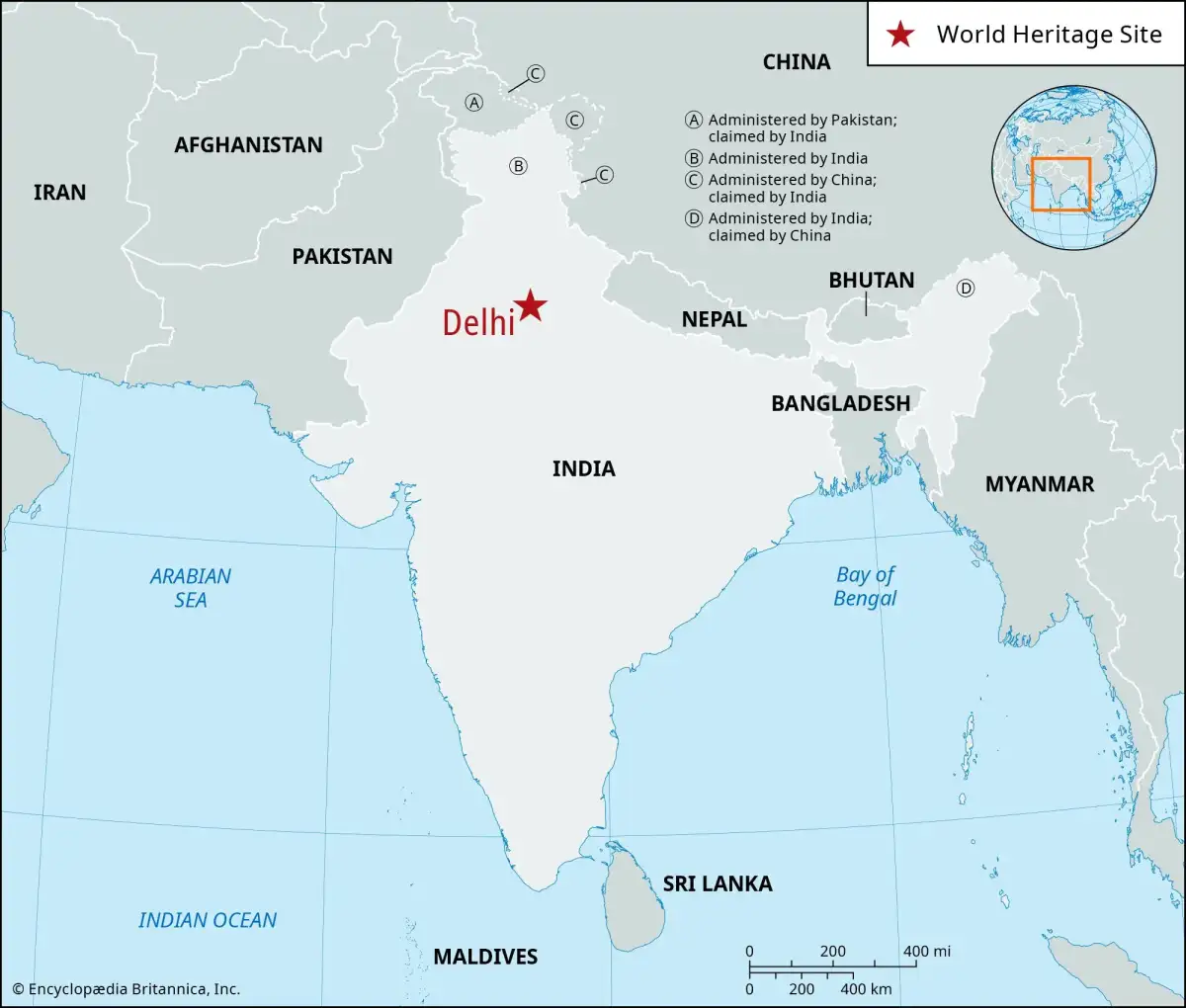
Recent shifts in naming conventions at Rashtrapati Bhavan, specifically within its prominent halls, have coincided with ongoing discussions and projects related to the Central Vista Redevelopment Project. While the President's official residence has long been a symbol of India's democratic traditions, these alterations suggest a deliberate move to disentangle its nomenclature from colonial influences and emphasize its role within the modern Indian republic. The integration of Indian architectural elements in the building's original design is noted, and the recent renaming appears to be a continuation of this theme, albeit through a focus on appellation rather than structural addition.
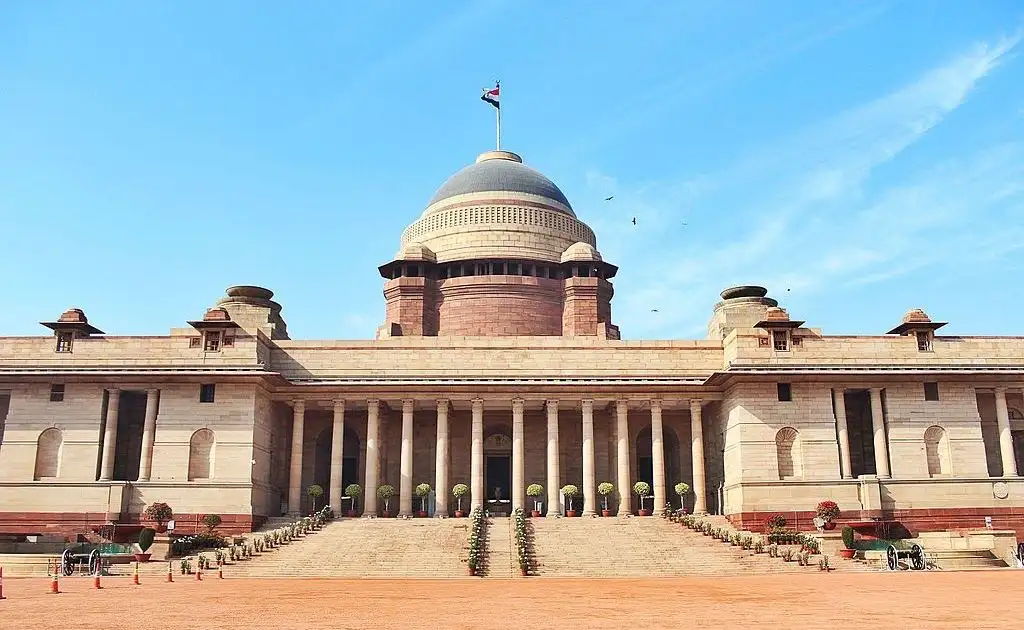
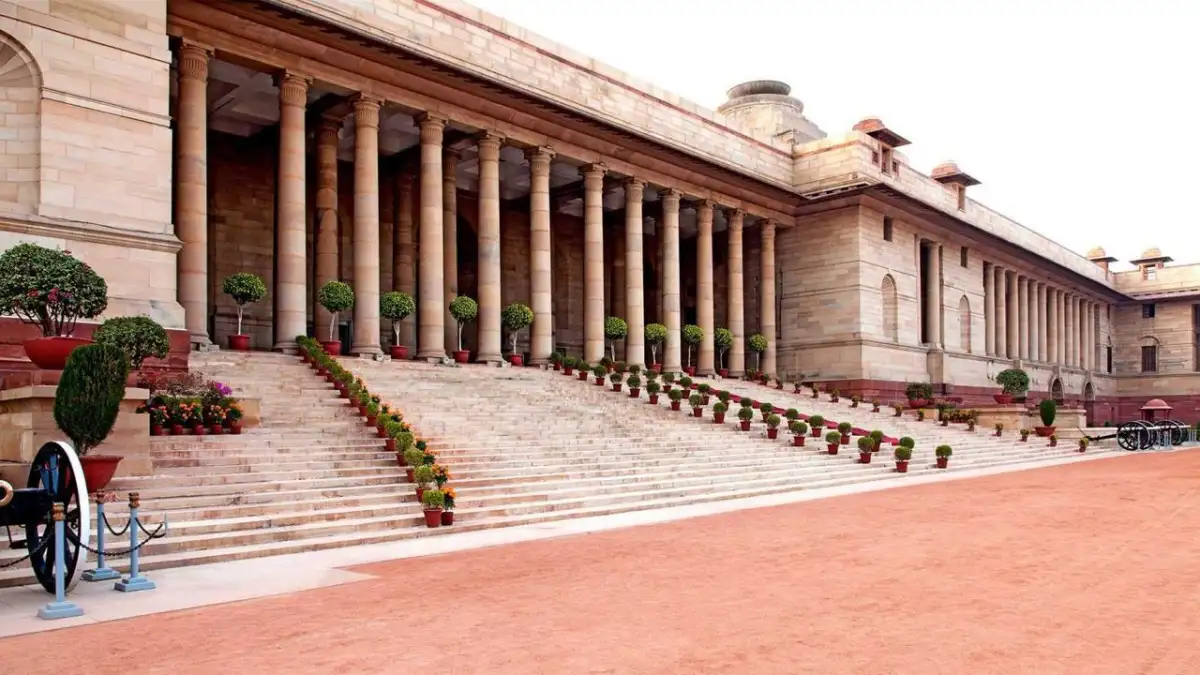
Rashtrapati Bhavan, originally known as Viceroy's House, was designed by architects Edwin Lutyens and Herbert Baker. Its architecture incorporates a fusion of Western and Indian styles, with elements such as chhatris (pavilions) and carved elephant images. The building houses the presidential office, residence, guest rooms, and staff areas. Its design was intended to reflect the administrative center of the nation, a role it continues to fulfill today, serving as the "Emblem of World's Largest Democracy."
Read More: Acting DNI Pulte Fires Dozens of Intelligence Officials Starting Thursday
Shifting Appellations in Historic Halls
Recent actions by President Droupadi Murmu have led to the renaming of two significant halls within Rashtrapati Bhavan:
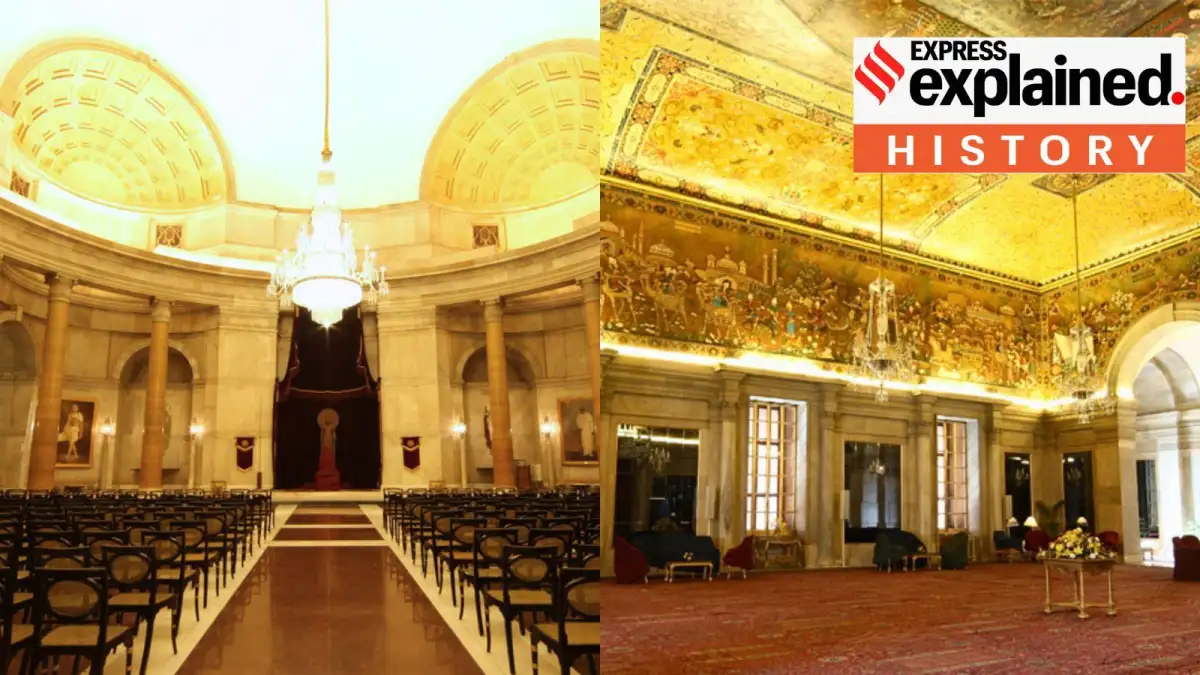
Durbar Hall has been renamed Ganatantra Mandap. The term "Durbar" is associated with the courts of Indian rulers and the British Raj. The press statement noted that this term "lost relevance after India became a Republic." The term "Ganatantra" directly translates to "republic" in Hindi, underscoring the shift.
Ashok Hall has been renamed Ashok Mandap. This hall, formerly used as a ballroom, is now a venue for state functions. The name "Ashok" is linked to Emperor Ashoka, a figure considered a symbol of unity and peaceful coexistence.
These changes aim to remove traces of anglicisation and align the hall names more closely with India's republican identity and historical figures. The Durbar Hall, in particular, is a significant space where the President confers honours during Civil and Defence Investiture Ceremonies.
Central Vista Redevelopment: A Wider Context
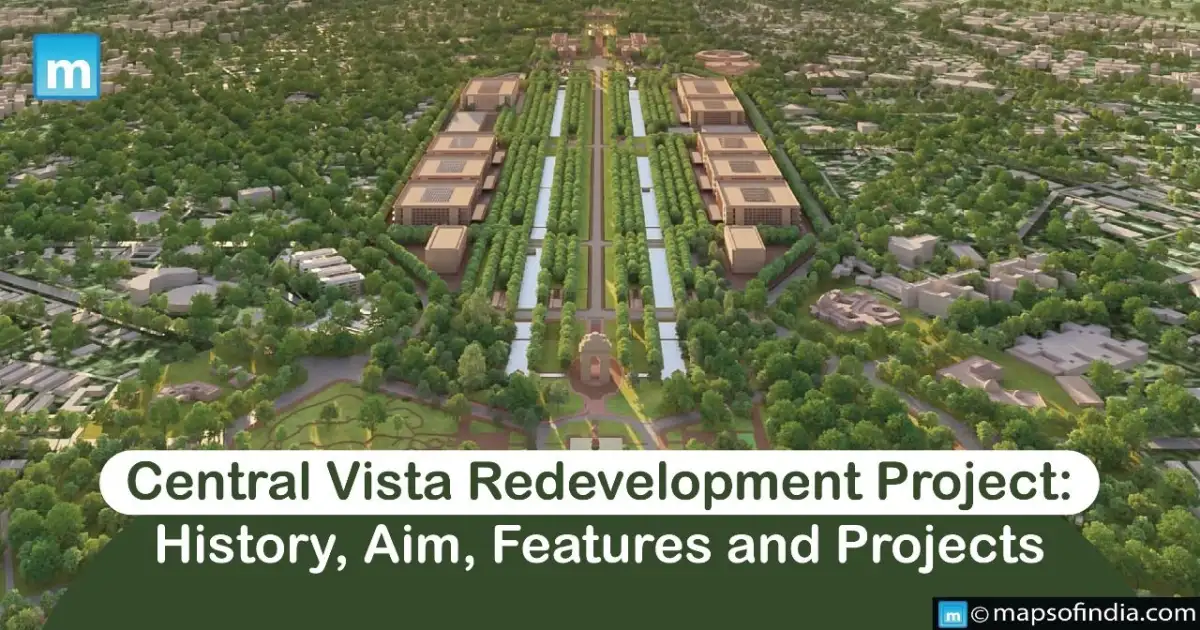
The renaming of halls within Rashtrapati Bhavan occurs against the backdrop of the Central Vista Redevelopment Project. This broader initiative aims to modernize and redevelop the central administrative area of the nation.
The project seeks to address inadequate infrastructural demands that current structures cannot meet.
It also intends to give a "fresh look" to Lutyen's Delhi, making it a more significant tourist attraction while facilitating the central administration with modern facilities.
The Central Vista complex already serves as the administrative hub, housing key institutions and ministries.
While Rashtrapati Bhavan itself is a heritage building, the project focuses on modernizing the surrounding administrative infrastructure.
Architectural Heritage and Indian Influence
Rashtrapati Bhavan's architectural design is a subject of note, blending different cultural styles.
Fusion of Styles: The exterior and interior reflect a combination of Western and Indian architectural approaches. Elements like chhatris, lattice screens, and carved elephant images were incorporated into the original design at the insistence of Lord Hardinge.
Symbolic Significance: The building is viewed not just as a residence but as a symbol of architectural synthesis and India's democratic traditions.
Lutyens' Vision: Architect Edwin Lutyens was responsible for the building's design and its meticulous details, including interior rooms and public halls.
The renaming of the halls can be seen as an extension of integrating Indian context, moving beyond structural design to the symbolic meaning of place names.
Read More: Delhi Students Protest Education System Flaws on July 6
Expert Analysis
The renaming of halls within Rashtrapati Bhavan is a subtle but significant symbolic act.
"The term 'Durbar' carries connotations of monarchy and colonial rule. By replacing it with 'Ganatantra Mandap,' there is an effort to reinforce the identity of India as a republic, moving away from appellations tied to its past as a British dominion."
[Analysis from unidentified source, based on provided text]
This action appears to align with a broader trend of re-appropriating historical symbols and spaces to reflect a contemporary, independent national identity. The selection of Emperor Ashoka for Ashok Hall's namesake, emphasizing unity, further contributes to this narrative.
Conclusion
The renaming of Durbar Hall to Ganatantra Mandap and Ashok Hall to Ashok Mandap represents a deliberate redefinition of nomenclature within Rashtrapati Bhavan. These changes appear to be motivated by a desire to align the building's terminology with India's status as a republic and to curtail any lingering association with colonial or monarchical pasts. This initiative is taking place within the larger context of the Central Vista Redevelopment Project, which focuses on modernizing the nation's administrative infrastructure. The architectural fusion evident in Rashtrapati Bhavan’s original design, which incorporated Indian elements, now finds a parallel in the symbolic re-framing of its internal spaces. Further monitoring of administrative and symbolic changes within India's key governmental buildings will be necessary to fully assess the scope and implications of these ongoing efforts.
Read More: New York City Mamdani Administration Fights for 9/11 Records
Sources Used:
Britannica: Provides a general overview of Rashtrapati Bhavan's history, design, and architectural elements, noting the incorporation of Indian styles.
Hindustan Times (via AOL): Reports on the specific renaming of Durbar Hall and Ashok Hall, explaining the rationale behind the changes and the symbolism of the new names.
https://www.hindustantimes.com/india-news/rashtrapati-bhavans-durbar-hall-ashok-hall-renamed-101721898275811.html
Mapsofindia: Details the Central Vista Redevelopment Project, outlining its aims, the need for it, and the historical architects involved in the original complex.
https://www.mapsofindia.com/my-india/government/central-vista-redevelopment-project-history-aim-features-and-projects
Indian Express: Further elaborates on the renaming of Durbar Hall and Ashok Hall, providing context on their historical use and the significance of the new names in relation to India's republican status.
https://www.indianexpress.com/article/explained/explained-history/rashtrapati-bhavans-durbar-hall-ashok-9475359/
Culture and Heritage Org: Describes Rashtrapati Bhavan as an architectural masterpiece, highlighting its blend of Western and Indian styles and its symbolic importance.
https://cultureandheritage.org/2024/03/rashtrapati-bhavan-an-architectural-masterpiece-in-the-heart-of-delhi.html
Architectural Digest: Offers a look inside Rashtrapati Bhavan, touching upon its scale, inspired design, and its renaming after India became a republic.
https://www.architecturaldigest.in/content/republic-day-2018-rashtrapati-bhavan-in-delhi/