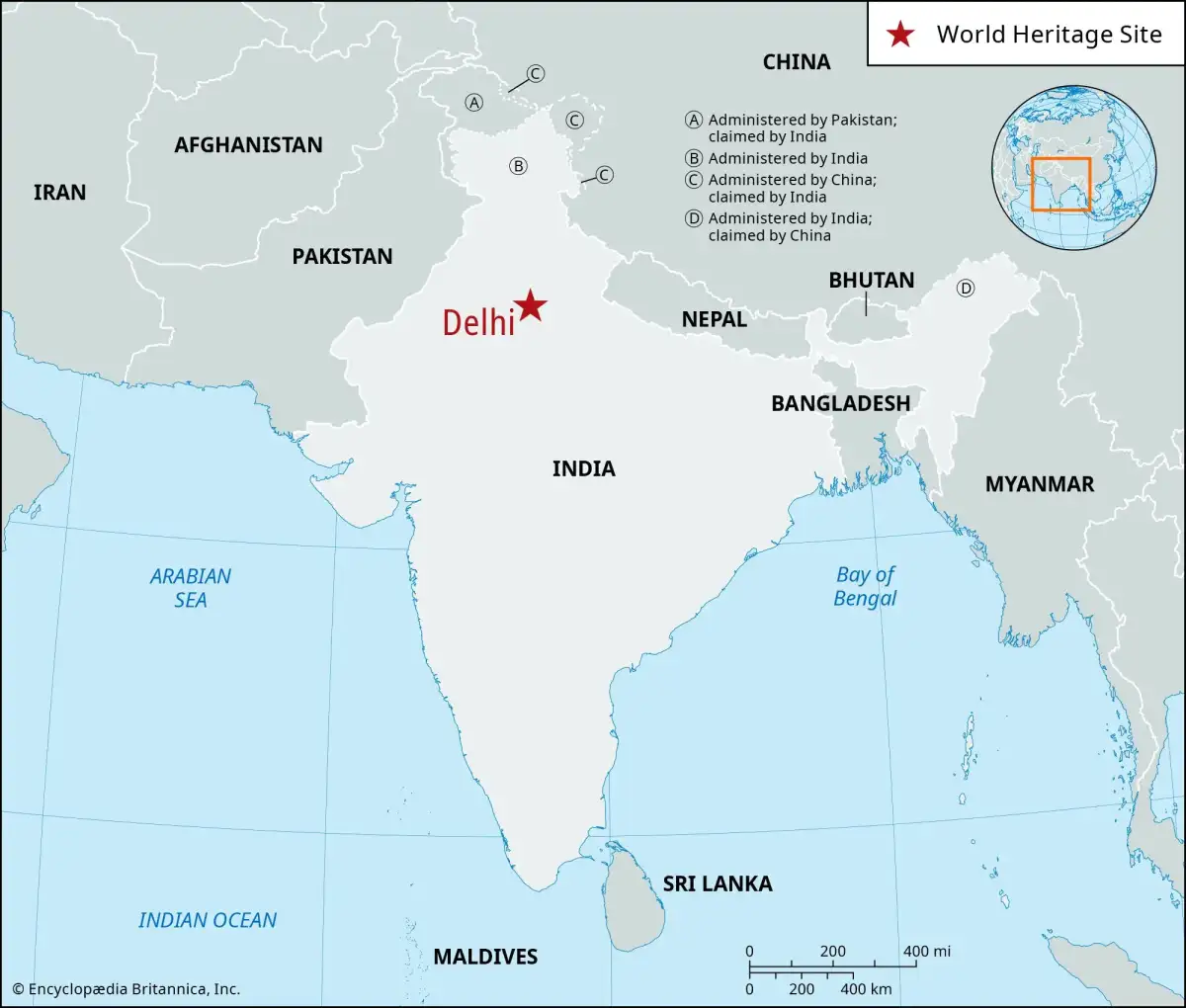
The India Meteorological Department (IMD) has issued a Yellow Alert for Delhi and the National Capital Region as the city experiences a sustained climb in thermal levels. Meteorologists project maximum temperatures to fluctuate between 44°C and 45°C throughout this week, following a weekend where the capital recorded its hottest day of the season at 43.4°C.
The current weather pattern is characterized by persistent northwesterly winds that transport dry, superheated air into the northern plains, intensifying heat stress across the urban landscape.

Meteorological Data Overview
| Station | Min Temp (°C) | Variance from Normal |
|---|---|---|
| Safdarjung | 28.2 | +1.7 |
| Palam | 28.1 | +1.0 |
| Ridge | 28.1 | +1.4 |
| Ayanagar | 27.4 | +0.9 |
| Lodhi Road | 27.0 | +3.0 |
The capital's Air Quality Index (AQI) was measured at 189 at 9:00 AM today, placing it in the 'moderate' category per CPCB standards.
Despite the intensity of the heat, air quality remains largely unaffected by the rising mercury, though authorities emphasize the physiological toll of the prolonged Heatwave conditions.
Regional Context and Environmental Scope
The heat in Delhi is not an isolated phenomenon. North and central India are currently witnessing a broader meteorological trend, with multiple cities in Haryana, Rajasthan, Uttar Pradesh, Madhya Pradesh, and Maharashtra reporting temperatures mirroring those in the capital. Data indicates that regional hubs like Asansol and Durgapur have reached levels as high as 45°C, contributing to a global pattern where Indian cities increasingly dominate lists of the hottest locations on the planet.
Read More: Mumbai Red Alert July 2026 Causes School Closures and Train Delays

Defining the Threshold
The IMD criteria for declaring a heatwave relies on specific deviations from seasonal norms. However, the agency adopts a more stringent definition when the absolute temperature touches or exceeds 45°C. The current yellow alert serves as a preliminary warning to local administrations and residents, signaling that the "excessive heat" will likely persist, requiring behavioral adjustments such as limited outdoor exposure during peak daylight hours.
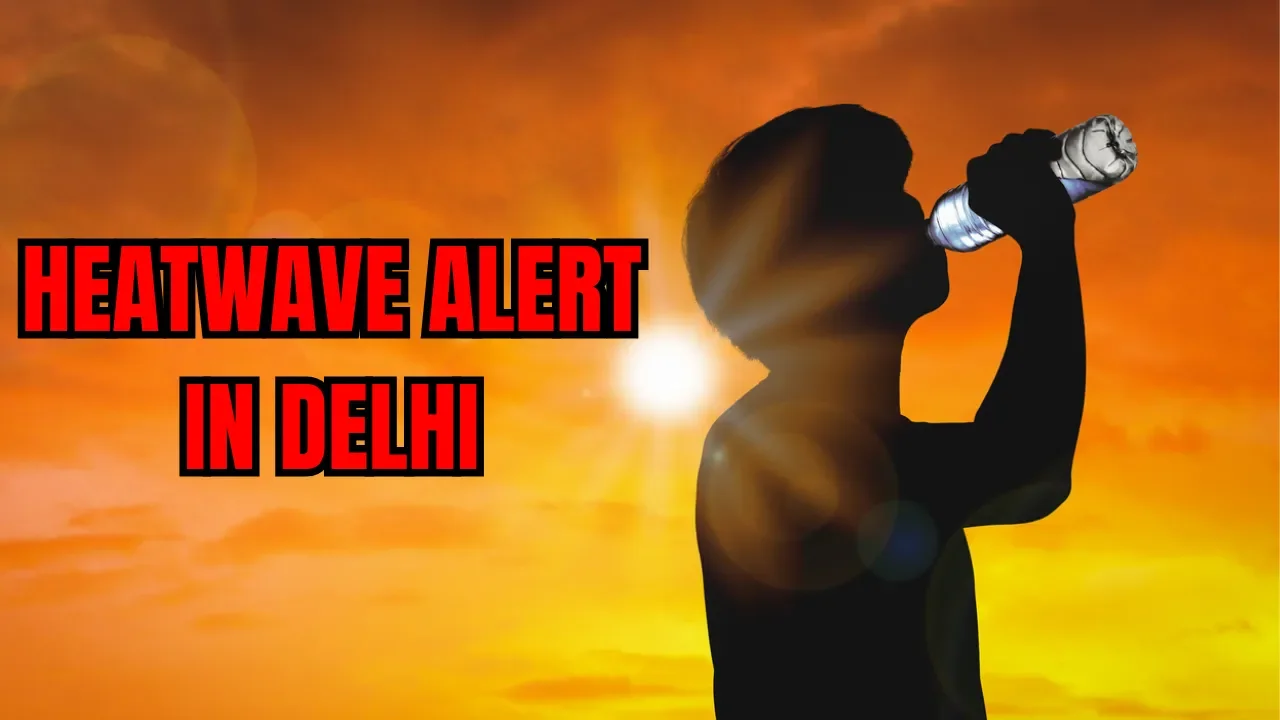
As of today, May 20, 2026, no significant meteorological relief is anticipated in the immediate forecast.