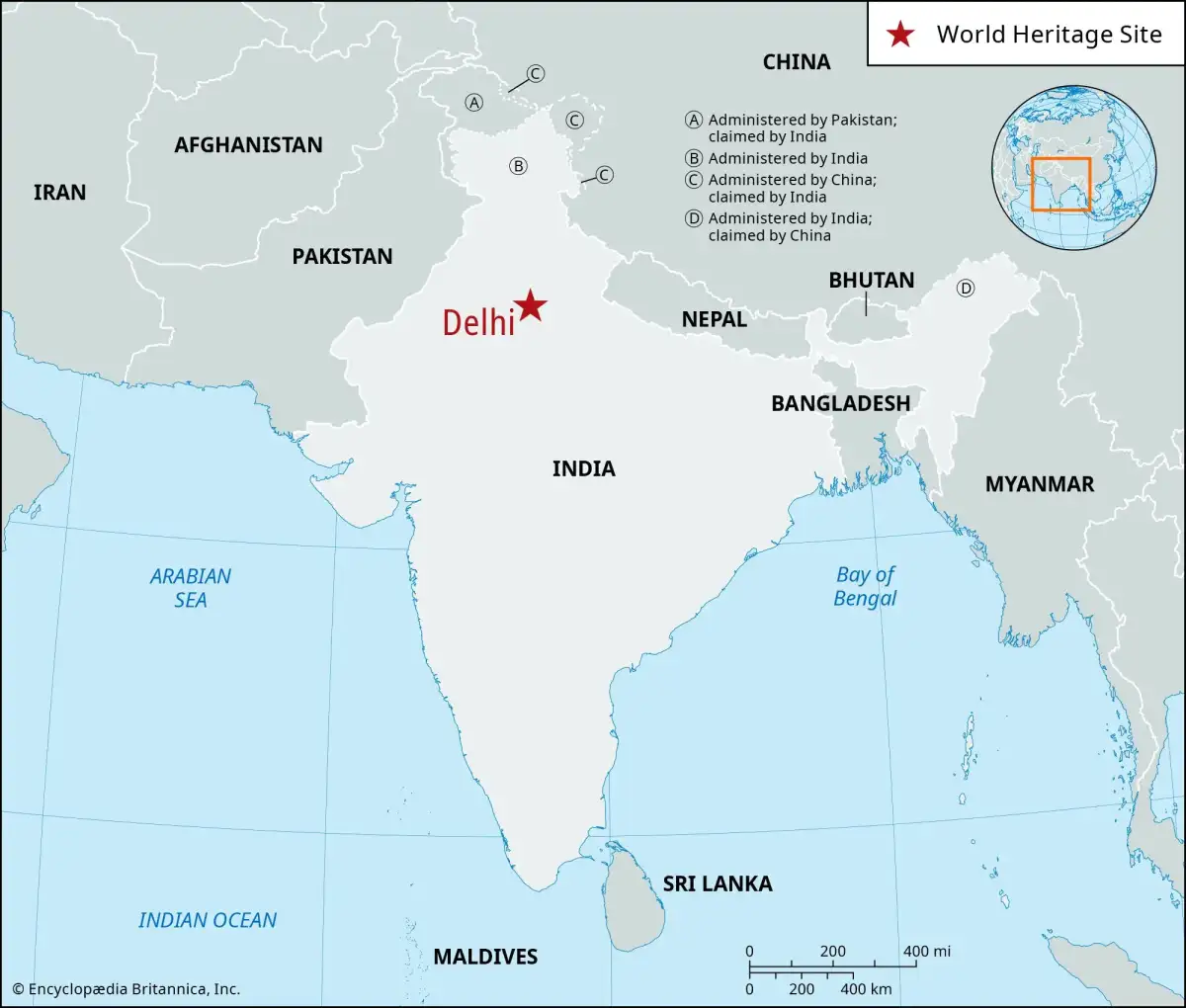
DELHI - The capital territory on Monday experienced the year's most intense heat, with recorded temperatures surpassing 44°C in numerous locales. The Safdarjung weather station, a key reference point, registered a high of 43.4°C, a notable climb from 41.9°C the preceding day. This peak significantly exceeded the seasonal average, indicating a marked intensification of warmth.

The India Meteorological Department (IMD) reported that Lodhi Road observatory noted 43.8°C, a figure 4.8 degrees above normal. This level meets the official criteria for a heatwave, which is formally declared when maximum temperatures reach 45°C or exceed 40°C with a departure of at least 4.5 degrees above average. A 'yellow alert' for continued heatwave conditions was issued for Tuesday through Friday.

The Ridge station registered an even higher temperature of 44.6°C on Monday, according to some reports. This extreme thermal event marks the hottest day recorded in Delhi for the current season, with projections suggesting temperatures could climb towards 45°C in the coming days. Other cities in the vicinity also felt the intense heat; Rohtak touched 45.2°C, and Bathinda reached 47°C, while Pilani and Chittorgarh recorded 46.2°C.
Read More: Mumbai Red Alert July 2026 Causes School Closures and Train Delays

Air Quality Concerns Linger
Concurrently, Delhi's air quality index (AQI) remained lodged in the 'poor' category. On Tuesday, the AQI stood at 220, a slight increase from 212 the previous day, according to data from the Central Pollution Control Board. This persistence of subpar air quality exacerbates the discomfort and health risks associated with the extreme temperatures.
Historical Context and Seasonal Comparisons
This year's thermal peak appears to be a significant escalation. Previously, April 25 saw temperatures reach 42.8°C, the second-highest reading of the season until Monday's surge. In the preceding year, April had recorded three days where temperatures hit similar highs, with the highest maximum noted on April 26 at 42.1°C. This recent heatwave signifies the hottest May day in at least two years. The prevailing northwesterly winds are expected to intensify 'loo' conditions, adding to the oppressive atmospheric environment.
Read More: Delhi Students Protest Education System Flaws on July 6