Shah's Party Claims Significant Victories, Unseats Former Premier
Kathmandu – Early vote counts from Nepal's general election reveal a dramatic upheaval, with rapper-turned-politician Balendra Shah's Rastriya Swatantra Party (RSP) making substantial gains. Most notably, Shah has unseated former Prime Minister KP Sharma Oli in Oli's own constituency, Jhapa-5. Data indicates Shah secured a decisive win, with preliminary figures showing him receiving 68,348 votes against Oli's 18,734.
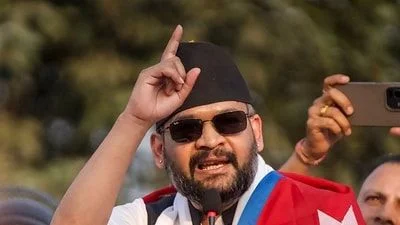
The RSP, a relatively new political entity founded three years ago, appears poised for a significant parliamentary presence. Reports suggest the party has secured 67 seats and is leading in an additional 55 constituencies, with some projections indicating it could be on track for a commanding share of seats, potentially even a two-thirds majority. This outcome marks a stark challenge to Nepal's established political order.
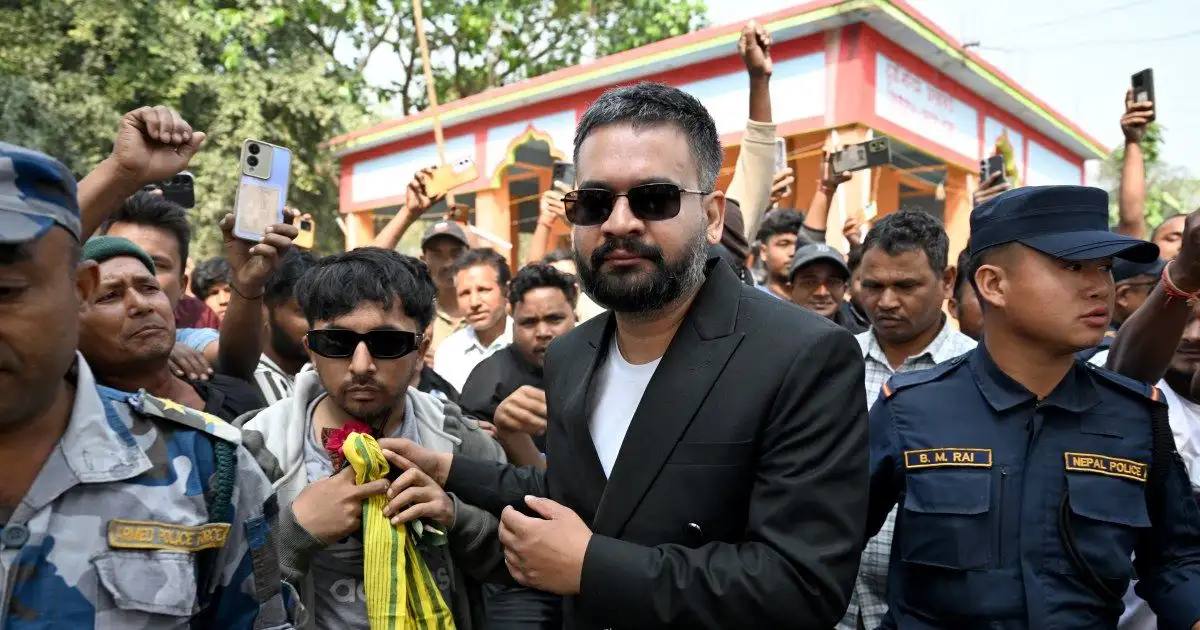
The electoral landscape in Nepal is experiencing a notable transformation, with Balendra Shah's Rastriya Swatantra Party (RSP) emerging as a formidable force. The most significant development is Shah's personal victory over former Prime Minister KP Sharma Oli in Oli's home constituency of Jhapa-5, a result described as a landmark moment in Nepali politics. Preliminary results indicate the RSP is performing strongly across numerous constituencies, signalling a potential shift in national political power.
Read More: Taiwan Holds Nantou County Drills to Prepare for State Collapse
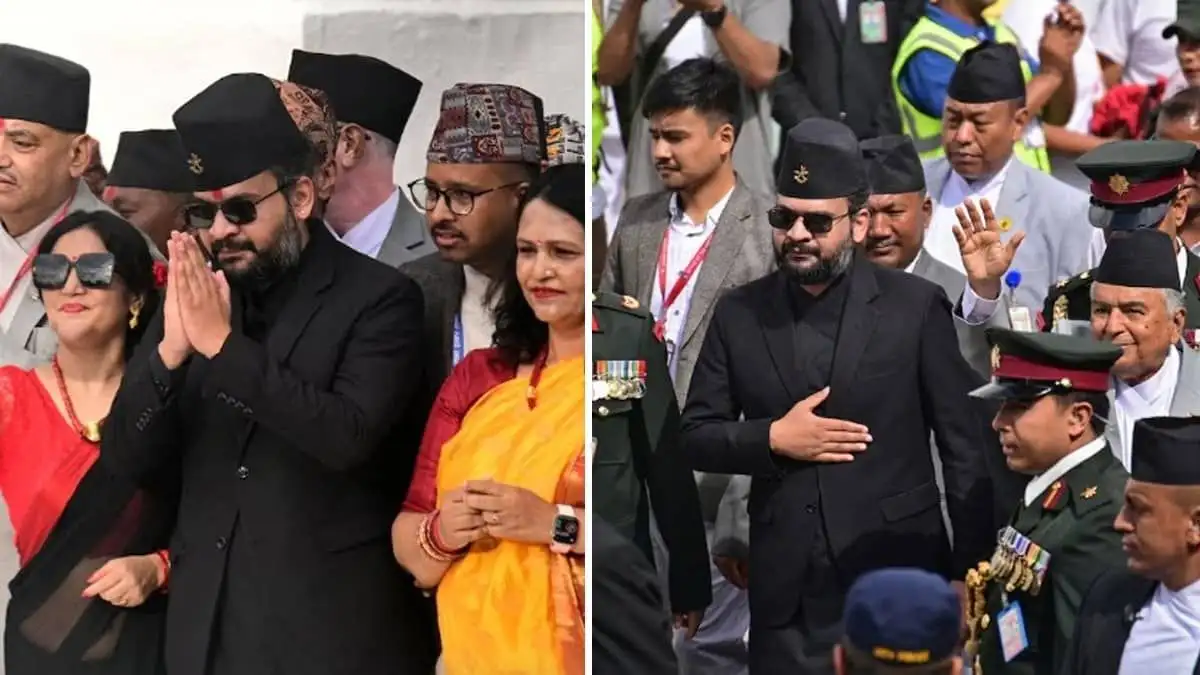
Wider Electoral Picture and Trends
The election, the first since significant youth-led protests last year that saw the government resign, has drawn considerable attention. Balendra Shah, a 35-year-old former mayor of Kathmandu, has capitalized on a wave of public discontent with traditional political parties. His campaign focused on key issues such as health and education for underserved populations, resonating with a younger demographic and those seeking change.

Other major parties are also seeing shifts. The Nepali Congress, previously a dominant force, has secured victories in at least six seats and is leading in 12 others. Its new leader, Gagan Thapa, was reported to be trailing in his own constituency. The Communist Party of Nepal (Unified Marxist-Leninist), led by Oli, is reportedly leading in a smaller number of constituencies.
Read More: Elephants in the Fog wins Cannes 2026 Jury Prize for Nepal cinema
The House of Representatives consists of 275 members. While direct election results are being tallied for a portion of these seats, the remaining 110 will be allocated through a proportional representation system based on the overall vote share.
Background: A Changing Political Climate
Nepal's political scene has been marked by a series of protests, including a significant youth-driven movement in the previous year. This unrest contributed to the downfall of the government led by KP Sharma Oli. Balendra Shah, who gained prominence through his rap music critical of the establishment and his tenure as Kathmandu's mayor, has effectively channeled this sentiment for change into his political platform. His campaign strategy, leveraging social media and direct engagement, has garnered him a following described as "near-rockstar like" among young Nepalis. India, a close neighbor, is closely monitoring the election results.
Read More: FBI Analysts Review Georgia 2020 Election Data in Fulton County