
The onset of Ramadan in Gaza presents a profound challenge for its inhabitants, as many face the holy month within the stark realities of destroyed homes and displaced living conditions. The observance, traditionally marked by communal gatherings and shared meals, is now defined by survival amidst widespread ruin. Evidence suggests that basic needs, such as shelter and aid, remain severely compromised, impacting the very ability to practice religious traditions.

Context of Displacement and Destruction
Following a period of intense conflict, a significant portion of Gaza's population finds itself displaced.
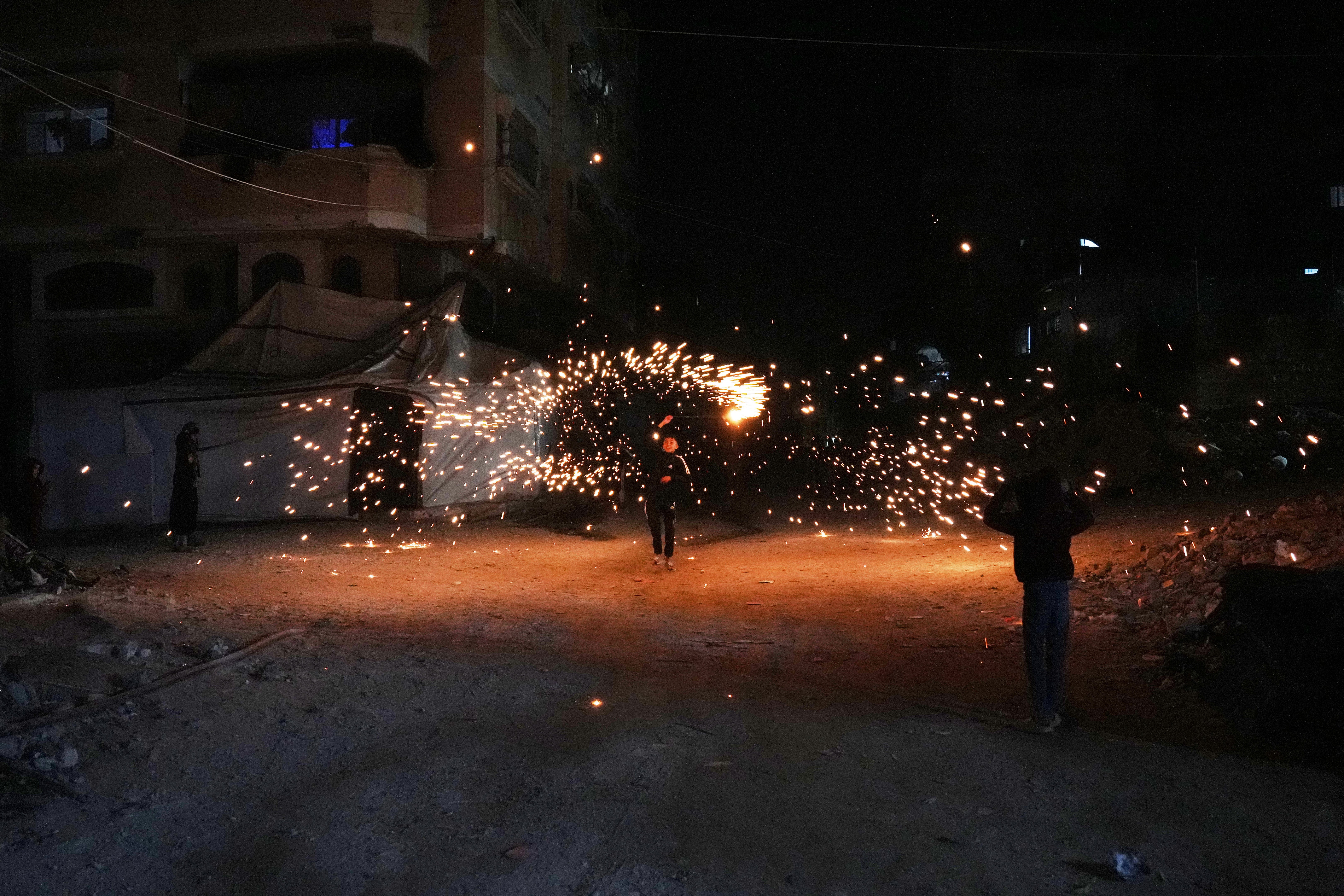
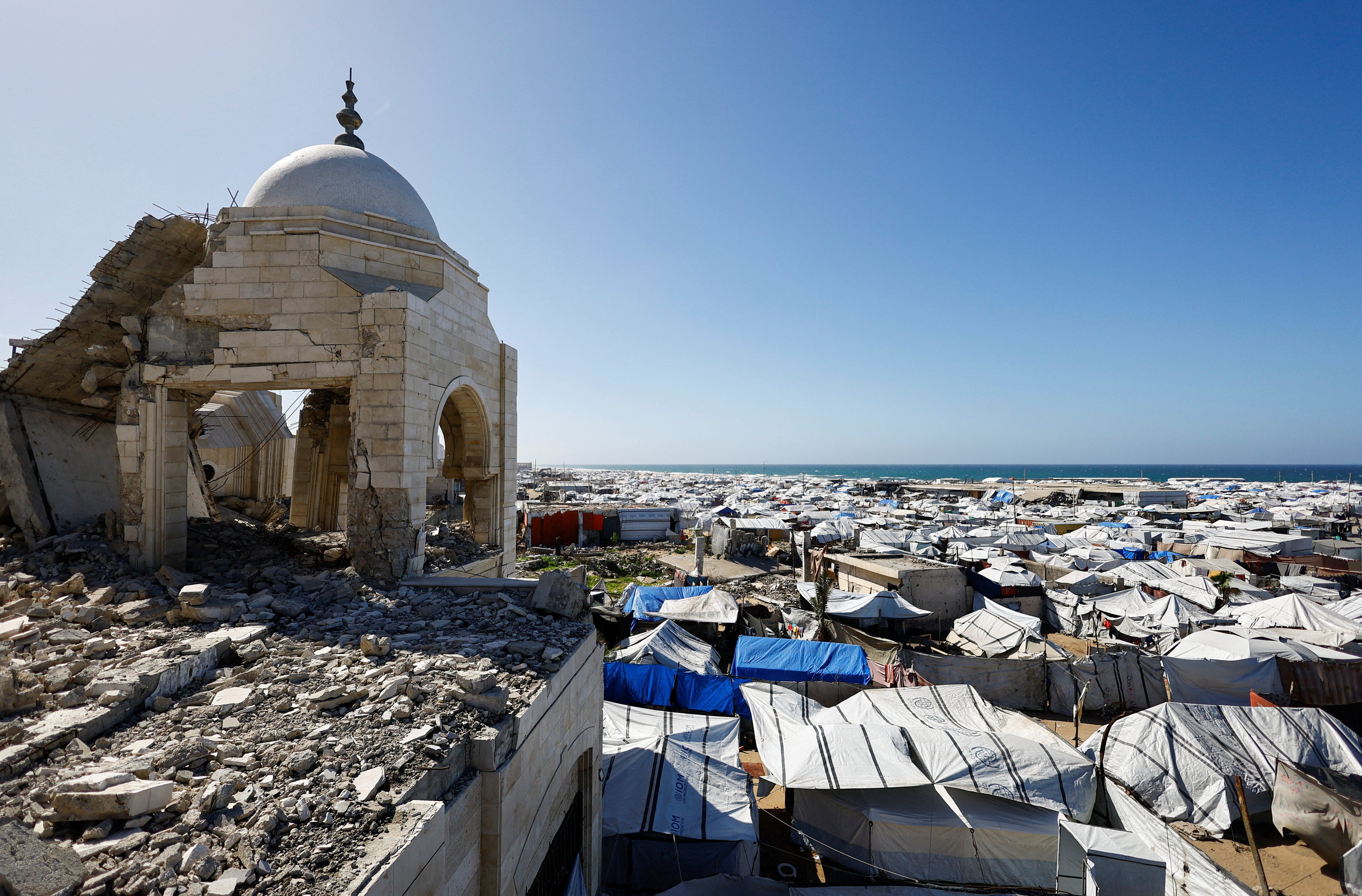
Widespread Ruin: Reports indicate that much of the Gaza Strip, particularly Gaza City and northern areas, has been reduced to rubble. The infrastructure is largely non-functional.
Housing Loss: Tens of thousands are reported dead, and the conflict has resulted in the destruction of numerous homes. Many Palestinians have no residences to return to.
Tent Settlements: A substantial number of displaced individuals are living in tents, with some reports noting concentrations of tents in stadiums.
Ceasefire and Return: While ceasefires have been declared, allowing some to return to their former areas, they are often met with the reality of complete devastation.
The Stark Reality of Ramadan Observance
The observance of Ramadan for Gazans is occurring under deeply altered circumstances.
Limited Aid: There are indications of limited aid reaching the displaced population. One family reported receiving only minimal assistance.
Disrupted Traditions: The usual family and community observances of Ramadan are severely hampered by the lack of homes and essential services. One report notes that "faces are missing" and "homes no longer stand," reflecting a profound disruption to familial and community life.
Search for Loved Ones: Amidst the ceasefire, some Palestinians have been engaged in searching the rubble for loved ones, adding a layer of profound grief to the observance.
Focus on Survival: For many, the primary focus during Ramadan has shifted from spiritual reflection and celebration to the fundamental struggle for survival amidst the ruins.
Gazans' Hope Amidst Devastation
Despite the overwhelming destruction, a persistent hope for return and rebuilding remains.
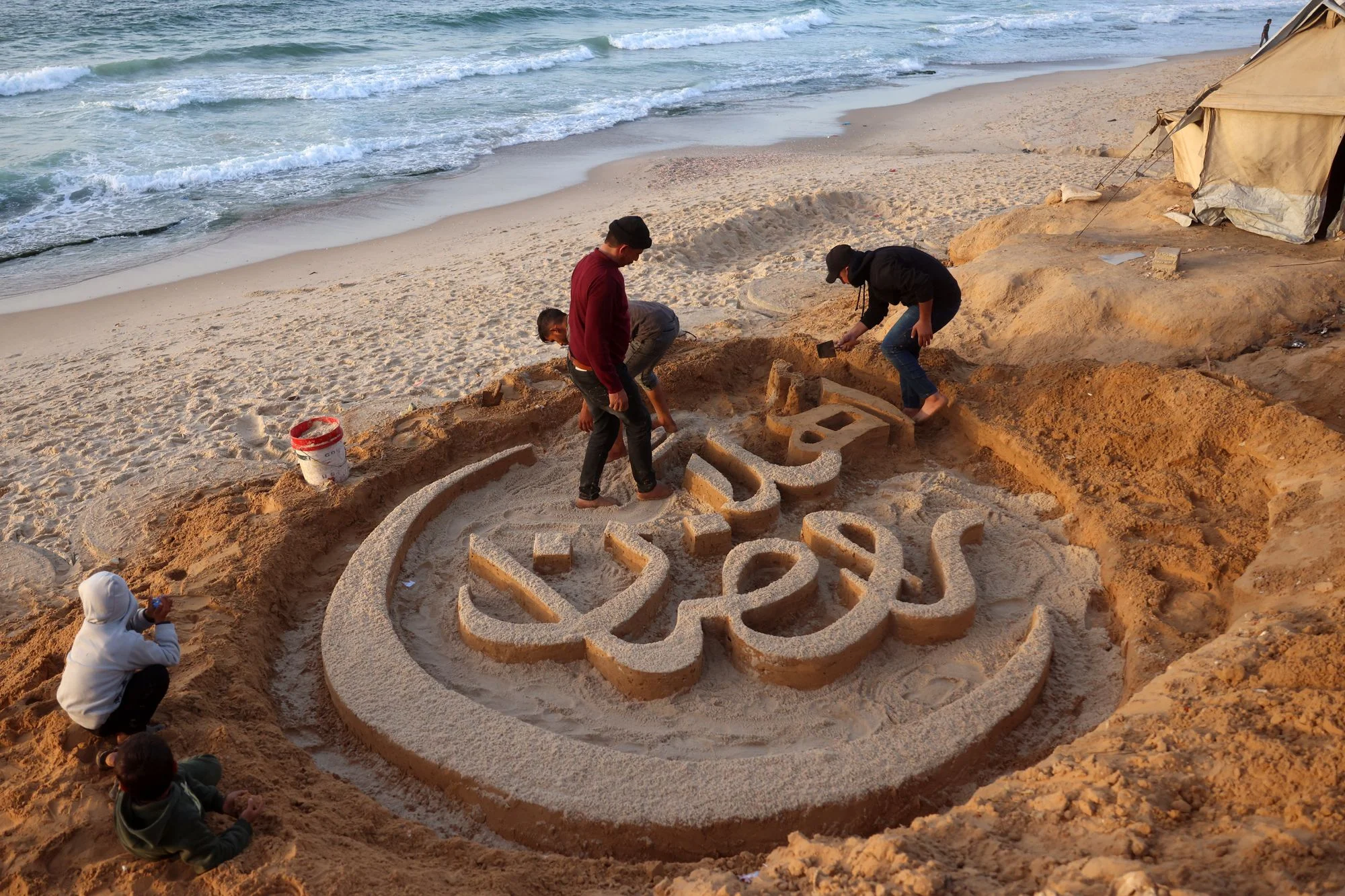
Yearning for Home: Thousands displaced from Gaza City and northern Gaza cling to the hope of returning to their neighborhoods, regardless of their condition.
Rebuilding Efforts: Some Palestinians are beginning to engage in efforts to rebuild homes and lives from the remnants.
Elation Tempered by Reality: The prospect of returning to even the damaged remnants of former houses has inspired some with elation, though this is often quickly followed by the confrontation with the stark reality of the destruction.
Evidence of Conditions
Article 1 (The World from PRX): Describes Palestinians living in tents amid destroyed homes, noting "Most Palestinians in the Gaza Strip have no homes to return back to and many are living in tents." It also mentions "yelling in tents all around," raising questions about the impact of conditions on residents.
Article 2 (Bastille Post): Details a displaced family breaking their fast inside a tent in Khan Younis, with one member stating they have "received limited aid."
Article 3 (The New Arab): Highlights the desire of displaced Palestinians to return to their neighborhoods, even amidst "the rubble of homes and displacement bags still unpacked." It also notes "financial hardship after long months of war and displacement."
Article 4 (US News): Reports tens of thousands flocking towards the remnants of their homes after a ceasefire, with "much of the coastal Gaza Strip to vast tracts of rubble and wrought a humanitarian disaster." It contrasts the initial elation with the subsequent "stark reality of the situation."
Article 5 (Al Jazeera): Describes the pulling of bodies from beneath the rubble and states, "Almost nothing remains of Gaza City after months of relentless Israeli bombardment." It characterizes the destruction as "total: no functioning infrastructure, no clean water, no electricity – just the skeletal remains of what once were homes."
Expert Analysis
While specific expert analysis within the provided text is limited, the consistent reporting across multiple sources paints a clear picture. The physical destruction is described as near-total in affected areas, creating a profound humanitarian crisis. The disruption to social and religious practices, such as Ramadan observance, is a direct consequence of this widespread devastation and displacement. The limited aid and the psychological impact of returning to ruins are recurring themes that underscore the multifaceted challenges faced by the population.
Conclusion
The observance of Ramadan in Gaza is occurring under exceptionally dire circumstances. The destruction of homes and infrastructure has led to widespread displacement, with many residing in tents and facing shortages of aid. While a spirit of hope for return and rebuilding persists, the immediate reality is one of survival amidst profound loss and physical devastation. The ability to engage in traditional religious practices is severely compromised by the lack of basic necessities and the overwhelming grief associated with the conflict's aftermath.
Read More: California Economy Now 4th Largest in World, Passes Japan