Struggle for Essential Resources Escalates
Cuba is experiencing severe fuel shortages, leading to widespread rationing and impacting daily life. This situation has intensified following the United States' increased control over Venezuela's oil reserves, a primary source of fuel for the island nation. The shortages have also affected Canadian airlines, with some suspending flights to Cuba due to a lack of fuel. Prime Minister Mark Carney is now under political pressure to respond to the escalating crisis, with calls for Canada to condemn the U.S. actions or provide humanitarian and fuel aid. The U.S. has also threatened tariffs on countries that supply oil to Cuba, adding another layer of complexity to the situation.

Background of the Crisis
The current fuel shortage in Cuba is directly linked to actions taken by the United States regarding Venezuela's oil reserves, which Cuba relied upon heavily.
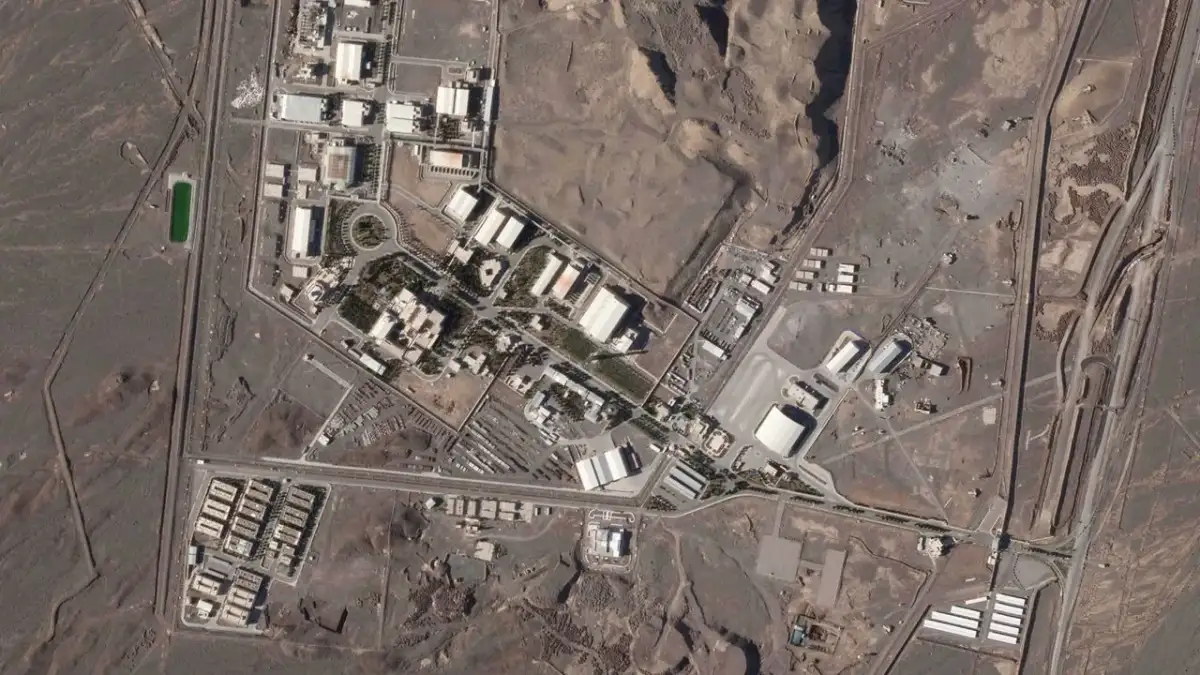
Read More: Iran Zagros Mountain Nuclear Site Construction Update April 2026

January: Cuba lost its main fuel source after the U.S. gained control of Venezuela's oil reserves.
Since January: Cuba has increased energy rationing and faces shortages of basic goods.
Impact on Airlines: Some Canadian airlines have suspended flights to Cuba due to insufficient fuel.
U.S. Policy: The U.S. has widened its restrictions on fuel supplies to Cuba and threatened tariffs on nations that sell or provide oil to the island.
Canadian Travel Warnings: Global Affairs Canada has for over a year warned travelers about serious shortages of necessities in Cuba.
Calls for Canadian Intervention
Prime Minister Mark Carney's government is facing growing pressure from various groups to take a firmer stance on the Cuba situation.

Political Opposition: Opposition politicians, including interim NDP leader Don Davies, have urged the government to support Cuba against what they term "aggressive U.S. imperialism."
Advocacy Groups: Various advocacy groups are calling for Canada to send fuel or humanitarian aid to the island.
Humanitarian Concerns: Other countries, like Mexico, have already begun sending food and hygiene supplies, raising concerns about a potential humanitarian crisis.
Government Response and Nuances
While the pressure mounts, the Canadian government's response has been cautious.

Foreign Minister's Stance: Foreign Affairs Minister Anita Anand has not confirmed whether Canada will condemn U.S. actions or provide additional fuel or assistance.
Prime Minister's Position: Prime Minister Carney's government has not announced any significant policy changes regarding Cuba and is maintaining a degree of caution.
Expert Views: Some experts suggest Canada is not "obliged" to step in and has not sent aid in similar past situations. Others believe Canada should not hesitate to send aid, citing the long-standing relationship between Canadians and Cubans.
Differing Perspectives on Aid
The debate around providing aid to Cuba highlights varying viewpoints on Canada's role and the complexities of international relations.
Arguments for Providing Aid
Humanitarian Duty: Proponents argue for a humanitarian response, especially given the shortages of essential goods.
Canadian Values: Calls are made to align government actions with Prime Minister Carney's past statements on middle powers resisting intimidation.
Bilateral Relations: Supporters point to the strong ties between Canadian and Cuban citizens and the historical lack of Canadian replication of the U.S. embargo.
Arguments for Caution or Restraint
U.S. Sanctions: The U.S. threat of tariffs on countries supplying oil to Cuba creates a challenging diplomatic and economic landscape for Canada.
Past Precedents: Some analysis suggests Canada has not intervened in similar Cuban hardships in the past.
Geopolitical Considerations: Concerns exist about Canada being perceived as aligning with Russia, which has pledged aid to Cuba.
Analysis of Canada's Position
Prime Minister Carney's government is navigating a delicate situation. The pressure to act stems from both humanitarian concerns and foreign policy principles.
Diplomatic Bind: Canada is in a difficult position, facing demands to assist Cuba while being mindful of its relationship with the United States and potential economic repercussions.
International Law vs. National Interest: The situation prompts questions about the balance between international solidarity, humanitarian obligations, and a nation's own economic and political interests.
The U.S. policy of widening restrictions and threatening tariffs is a significant factor influencing Canada's decision-making calculus.
Conclusion and Next Steps
Prime Minister Mark Carney and his government are under considerable pressure to address the escalating fuel crisis in Cuba. The situation involves humanitarian concerns, U.S. foreign policy, and Canada's own diplomatic and economic considerations.
Current Stance: The government has not confirmed any plans to send aid or condemn U.S. actions.
Future Actions: It remains to be seen whether Canada will alter its policy to provide direct fuel or humanitarian assistance to Cuba, or if it will adopt a stronger public stance against the U.S. restrictions.
The government's decision will likely be influenced by ongoing developments in Cuba, U.S. policy, and internal political dynamics within Canada.
Sources Used:
CTV News: https://www.ctvnews.ca/politics/article/carney-faces-calls-to-send-fuel-to-cuba-as-us-widens-blockade/ (Published: 1 day ago) - General overview of calls for aid and U.S. blockade.
CiberCuba: https://en.cibercuba.com/noticias/2026-02-18-u1-e135253-s27061-nid321124-enviara-canada-combustible-cuba-primer-ministro-mark (Published: 1 day ago) - Details on political pressure, U.S. restrictions, impact on airlines, and government's cautious stance.
Cuba Headlines: https://www.cubaheadlines.com/articles/321124 (Published: 1 day ago) - Explains the cause of the fuel shortage and highlights the political pressure on PM Carney.
Weekly Voice: https://weeklyvoice.com/carney-under-pressure-over-cuba-fuel-crisis-as-u-s-tightens-blockade/ (Published: 2 days ago) - Reports on pressure from opposition and advocacy groups, U.S. tariff threats, and regional impacts.
Travel Industry Today: https://travelindustrytoday.com/canada-urged-to-support-cuba/ (Seen on: Bing) - Mentions calls for Canada to speak out against U.S. restrictions and the lack of confirmation on aid.
The Globe and Mail: https://www.theglobeandmail.com/politics/article-ottawa-faces-calls-to-send-oil-and-aid-to-cuba-amid-fuel-shortage/ (Published: 2 days ago) - Details calls for Canada to send oil and aid, mentioning NDP leader Don Davies and the U.S. restrictions.
CBC News: https://www.cbc.ca/news/canada/canada-cuba-growing-calls-for-aid-us-blockade-9.7096042 (Published: 3 hours ago) - Discusses Canada's challenging position, expert views on aid, and the U.S. blockade.