

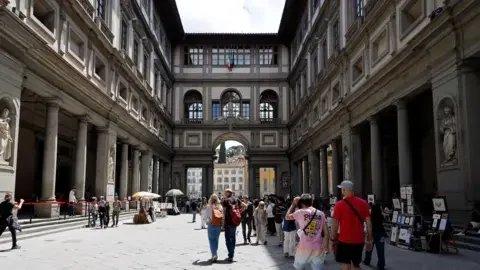
FLORENCE, ITALY — A cyberattack struck the venerable Uffizi Galleries in Florence earlier this year, targeting the museum's information technology infrastructure. Officials at the esteemed institution have, however, vehemently denied that any of its celebrated artworks or sensitive security data were stolen or damaged. The museum insists its core security systems remained inaccessible from outside its network, despite reports of hackers infiltrating interconnected systems, computers, and phones.
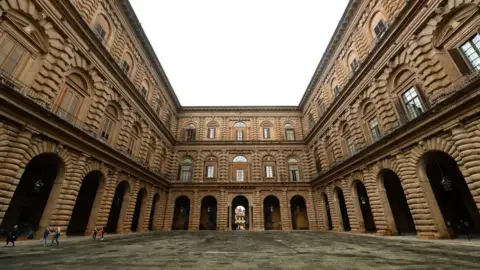
The breach, confirmed by the Uffizi and other Italian news outlets, reportedly occurred between late January and early February 2026, affecting not only the main Uffizi Galleries but also its satellite sites at Palazzo Pitti and the Boboli Gardens. A ransom demand was allegedly sent to the personal phone of Uffizi director Simone Verde, threatening to disseminate stolen data on the dark web. Reports in the Italian press suggested hackers had gained control of the museum's photographic server, prompting emergency measures.
Read More: Chrome mimeHandler API lets extensions handle file types
Divergent Narratives Emerge
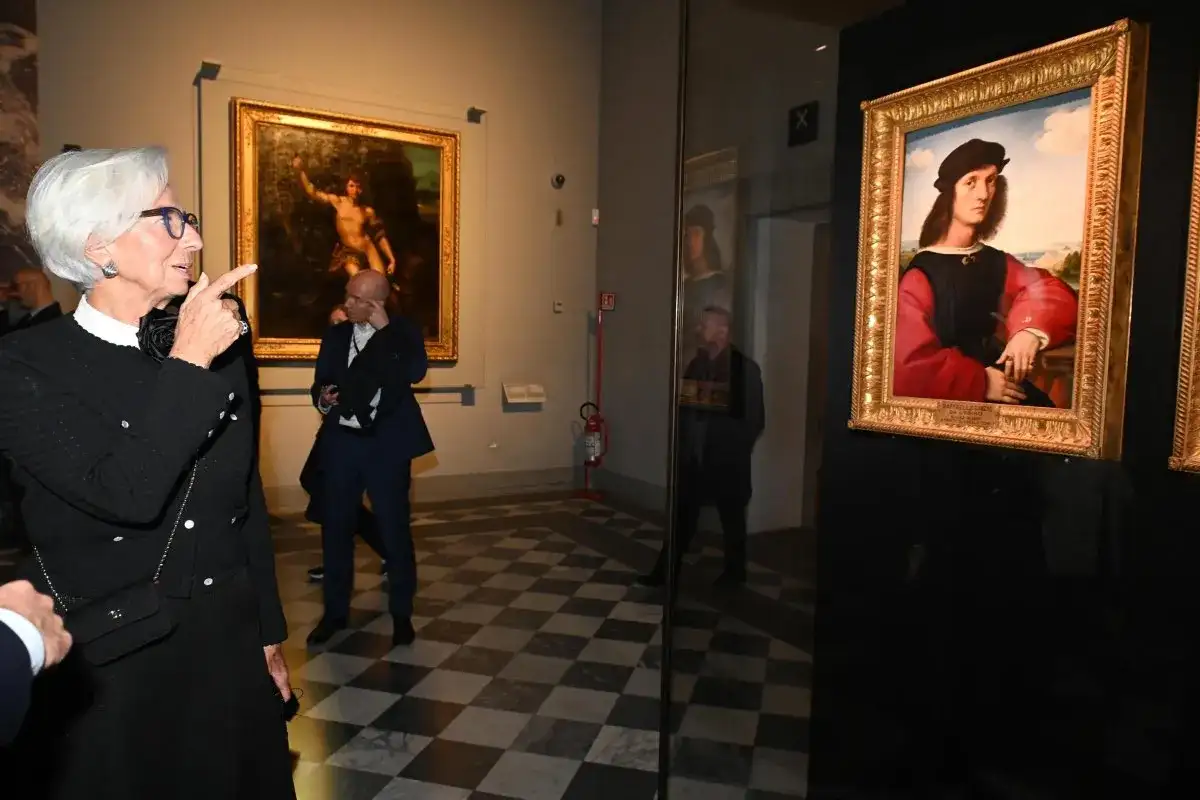
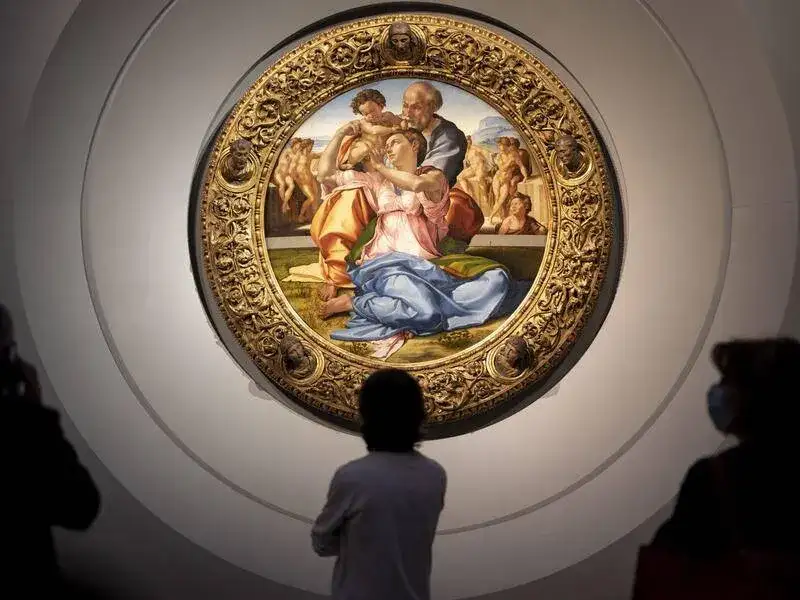
While the museum asserts that nothing was taken and masterpieces like Botticelli's "Birth of Venus" and "Primavera," along with Michelangelo's "Doni Tondo," remain secure, other accounts suggest a more significant infiltration. Italian daily Corriere della Sera reported that the attack had effectively emptied the Uffizi's servers and led to the hurried transfer of valuable jewels to the Bank of Italy.
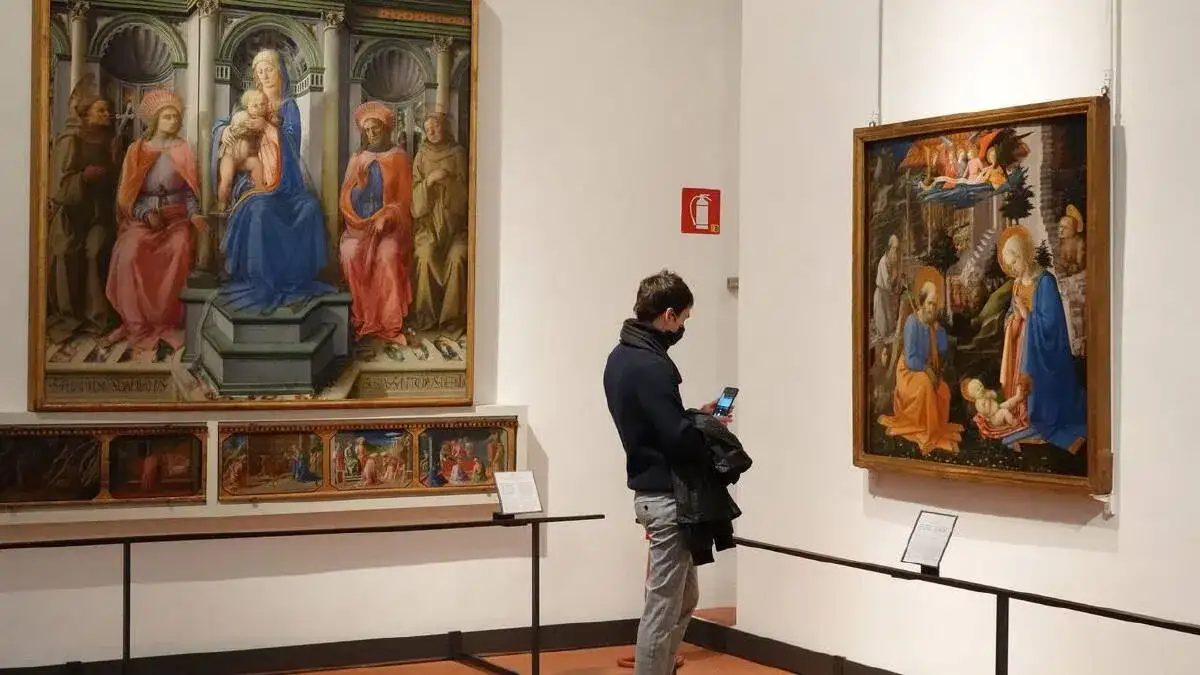
The Uffizi, however, has downplayed these claims. In a statement, the museum drew a stark contrast with a recent incident at the Louvre Museum in Paris, which faced operational disruptions and leadership changes following a major heist last year. The Uffizi stressed that their situation was "nothing like the Louvre." They also clarified that any reported closures or movement of valuables, such as at Palazzo Pitti, were pre-planned renovations and unrelated to the cyber incident. The museum stated that a complete backup of the photo server was in place.
Read More: Wuthering Heights Director Regrets Cutting Margot Robbie's Unshaven Armpit Scene
Political Fallout and Official Response
The incident has ignited a political firestorm within Italy. Opposition figures have criticized the government of Prime Minister Giorgia Meloni for perceived inaction in safeguarding the nation's rich artistic heritage. Former Prime Minister and former Florence Mayor Matteo Renzi publicly questioned the preparedness of Culture Minister Alessandro Giuli, an ally of the Prime Minister.
The National Cybersecurity Agency (ACN), Italy's primary body for coordinating and defending national digital infrastructure, is reportedly involved in addressing the situation. The attack specifically crippled the Uffizi's back-office administrative systems, which manage internal functions such as payroll, scheduling, and records.
The Uffizi Galleries, a cornerstone of Italian art and culture, house some of the most celebrated works from the Italian Renaissance. The incident highlights the growing vulnerability of cultural institutions to sophisticated cyber threats, even as official statements aim to reassure the public and preserve the institution's reputation.
Read More: BEREC Asks for Mobile Network API Ideas from Developers





