

Production Halts Trigger Global Concern
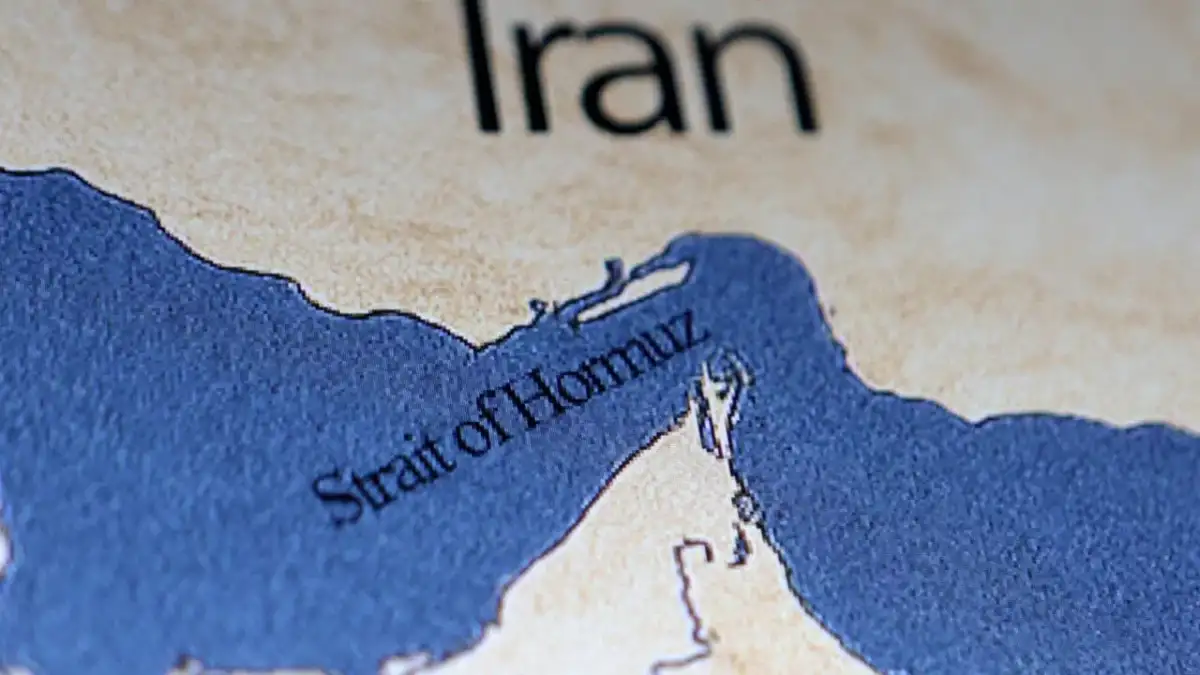
QatarEnergy, the world's second-largest liquefied natural gas (LNG) producer, has declared 'force majeure', halting its LNG production. This action follows 'Iranian drone strikes' on facilities at Ras Laffan Industrial City, Qatar's primary LNG export hub. Energy Minister Saad al-Kaabi warned that similar declarations by other Gulf energy exporters are likely if the hostilities continue. The minister also indicated that offshore operations, while currently undamaged, face uncertain future impacts, and the onshore aftermath is still under assessment.
The minister's pronouncements paint a stark picture of potential global disruption. He projected that a sustained conflict could halt Gulf energy exports "within weeks," or even "within days" if the situation escalates rapidly. This potential shutdown extends beyond just oil and gas, impacting the global supply of petrochemicals and fertilizer materials crucial for various industries worldwide.
Read More: Great Britain Energy Bills Drop April 1st But Toaster Costs Still High

Economic Ramifications
Beyond the immediate export disruption, QatarEnergy CEO Saad bin Sherida Al Kaabi projected a significant economic fallout. He indicated that a prolonged halt in production could lead to a "collapse of the world's economies." His predictions also include a dramatic surge in energy prices, with oil potentially reaching USD 150 per barrel and gas prices climbing to USD 40 per million British thermal units (MMBtu). These figures suggest a drastic reordering of global energy markets and a substantial increase in the cost of living for consumers.
Logistical Hurdles and Reputation
Even after a potential resolution to hostilities, Kaabi anticipates substantial 'logistical challenges' in resuming full production. He also dismissed concerns that the 'force majeure' declaration might tarnish Qatar's reputation as a dependable LNG supplier, suggesting the circumstances were beyond the nation's control. The North Field expansion project is also expected to face delays in its production start-up due to the ongoing situation.
Read More: Ankara seeks wider security pact with Egypt, Saudi Arabia, Pakistan
Background
The warnings come amid an intensifying conflict in the Middle East. Qatar, a major player in the global energy market, operates extensive liquefied natural gas export facilities, notably at Ras Laffan. The nation's energy infrastructure, particularly its onshore operations, has reportedly been targeted by 'Iranian drone strikes', leading to the production halt. Other Gulf states, reliant on similar energy export infrastructure, are now facing similar threats.


:max_bytes(150000):strip_icc():focal(749x0:751x2)/ayatollah-ali-khamenei-030926-1-35238c3c9a484125aa95ac665d7cbc9c.jpg)


