Broader Defence Framework Discussions Unfold in Riyadh
Turkey is actively pursuing a more extensive security arrangement, engaging Saudi Arabia, Egypt, and Pakistan in recent talks in Riyadh. The foreign ministers from these four nations convened on the sidelines of an Islamic countries' summit, a meeting where discussions reportedly centered on consolidating their collective strengths. This push for a multilateral security pact has been a persistent initiative from Ankara for over a year, seeking to weave existing bilateral ties into a more cohesive structure.
Turkey's efforts involve integrating Egypt into a framework that also includes Saudi Arabia and Pakistan. Previous reports indicated that Turkey and Egypt solidified bilateral security cooperation through a military agreement signed in February, during President Recep Tayyip Erdoğan's visit to Cairo. Turkish sources suggest Ankara's objective is to incorporate Egypt into this burgeoning security understanding.
Read More: Rubio Invites Modi to US: India Key to Indo-Pacific Plan
Shifting Strategic Sands and Potential Alliances
The conversations in Riyadh point towards a potential recalibration of regional security architectures. Turkey's interest in joining a mutual defense framework, initially established between Saudi Arabia and Pakistan, signals a broadening alignment of defense priorities among influential Muslim-majority states.
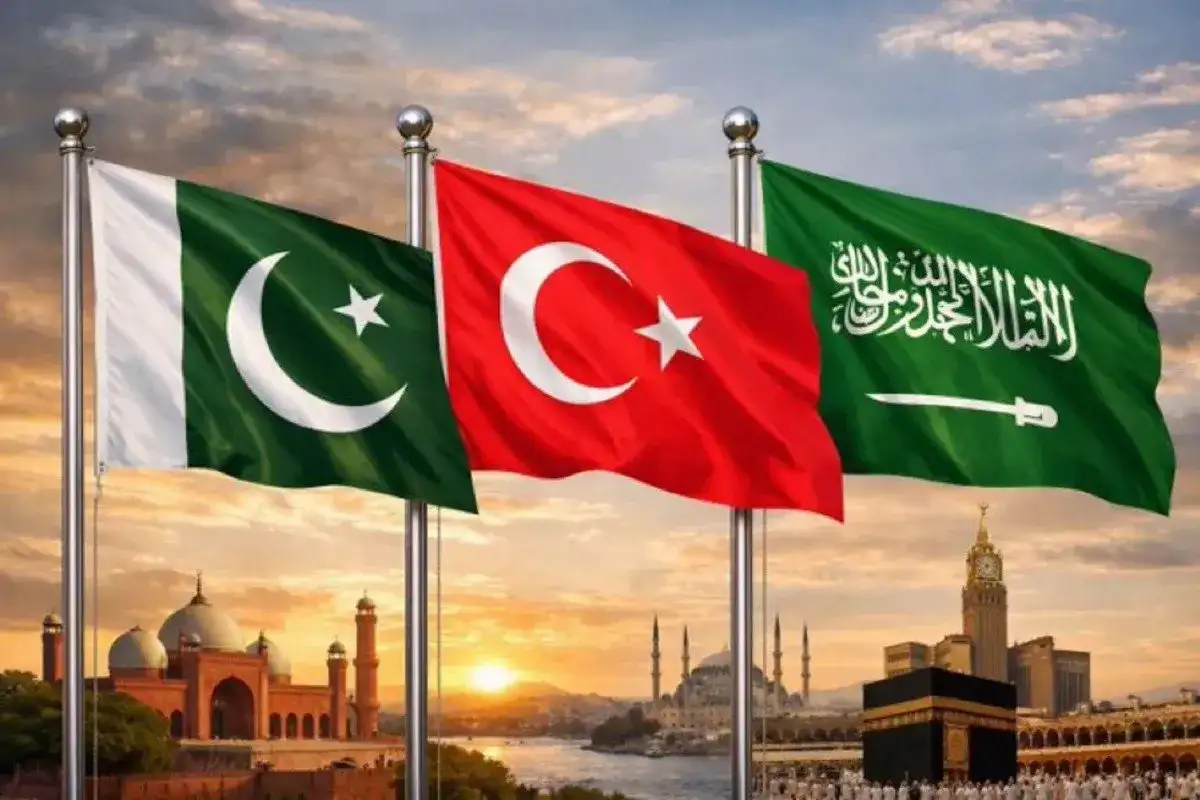
Saudi Arabia contributes significant financial resources.
Pakistan brings its nuclear deterrent and substantial manpower.
Turkey offers considerable military experience and a growing defense industry.
Turkey’s membership in NATO, alongside its existing defense cooperation with both Saudi Arabia and Pakistan—including joint naval exercises and defense production links—provides a tangible basis for deeper integration. Pakistan's Minister for Defence Production has indicated that a draft trilateral defense agreement is under deliberation, awaiting final consensus among the involved nations.
Underlying Dynamics and Regional Concerns
The impetus behind these discussions appears partly driven by the prevailing regional instability, with specific reference made to the "US-Israeli war on Iran" and Tehran's subsequent retaliatory actions. This context highlights a perceived need for collective security measures in a volatile geopolitical landscape. While the specifics of the potential pact remain in flux, the articulated goal is to "act together on certain issues" and emphasize "regional ownership."
Read More: Gulf Oil Exports Rise in June but Still Below Pre-War Levels
Existing Threads of Cooperation
The current dialogues build upon a foundation of pre-existing, albeit fragmented, security and defense collaborations. These include:
Bilateral council work between Egypt and Turkey.
Defense production initiatives between Saudi Arabia and Turkey.
Naval and industrial programs involving Turkey and Pakistan.
Maritime coordination between Saudi Arabia and Pakistan.
These established links, from central banking cooperation agreements to structured council work, appear to be coalescing into a more formal, overarching security vision.