The upcoming Puducherry Assembly elections, slated for April 9, are shaping into a multifaceted contest. Prime Minister Narendra Modi's recent roadshow underscores the BJP's bid to deepen its political inroads in the territory. Meanwhile, the Congress, in alliance with the DMK, is seeking to reclaim power, though internal friction within this coalition has surfaced. The political landscape is further complicated by the electoral debut of actor Vijay's Tamilaga Vettri Kazhagam (TVK), introducing an unpredictable variable into what is now characterized as a triangular contest.
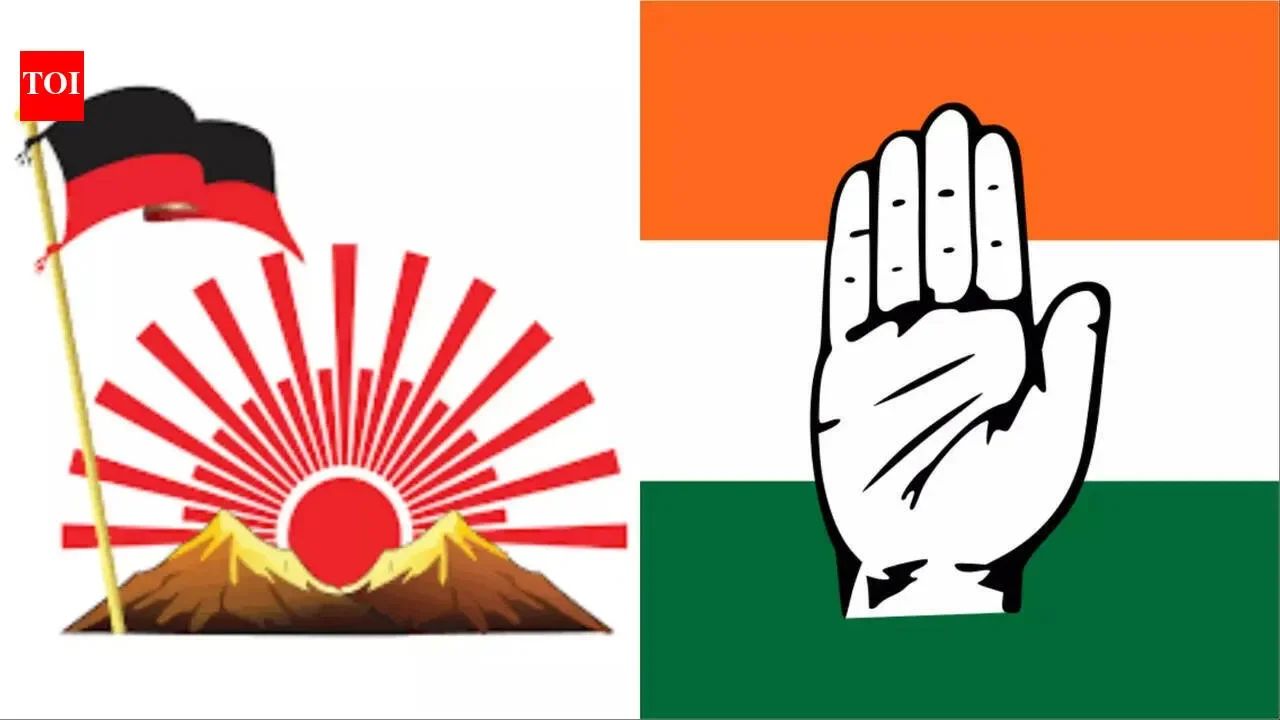
The Congress, allied with the DMK, is contesting a significant portion of the 30 seats, with the Congress fielding candidates in 16 and the DMK in 14. The BJP, a partner in the ruling NR Congress-led coalition, aims to bolster its presence, with its state president indicating an aspiration to increase their seat tally.
Read More: Taiwan Holds Nantou County Drills to Prepare for State Collapse

Campaign Trails Diverge
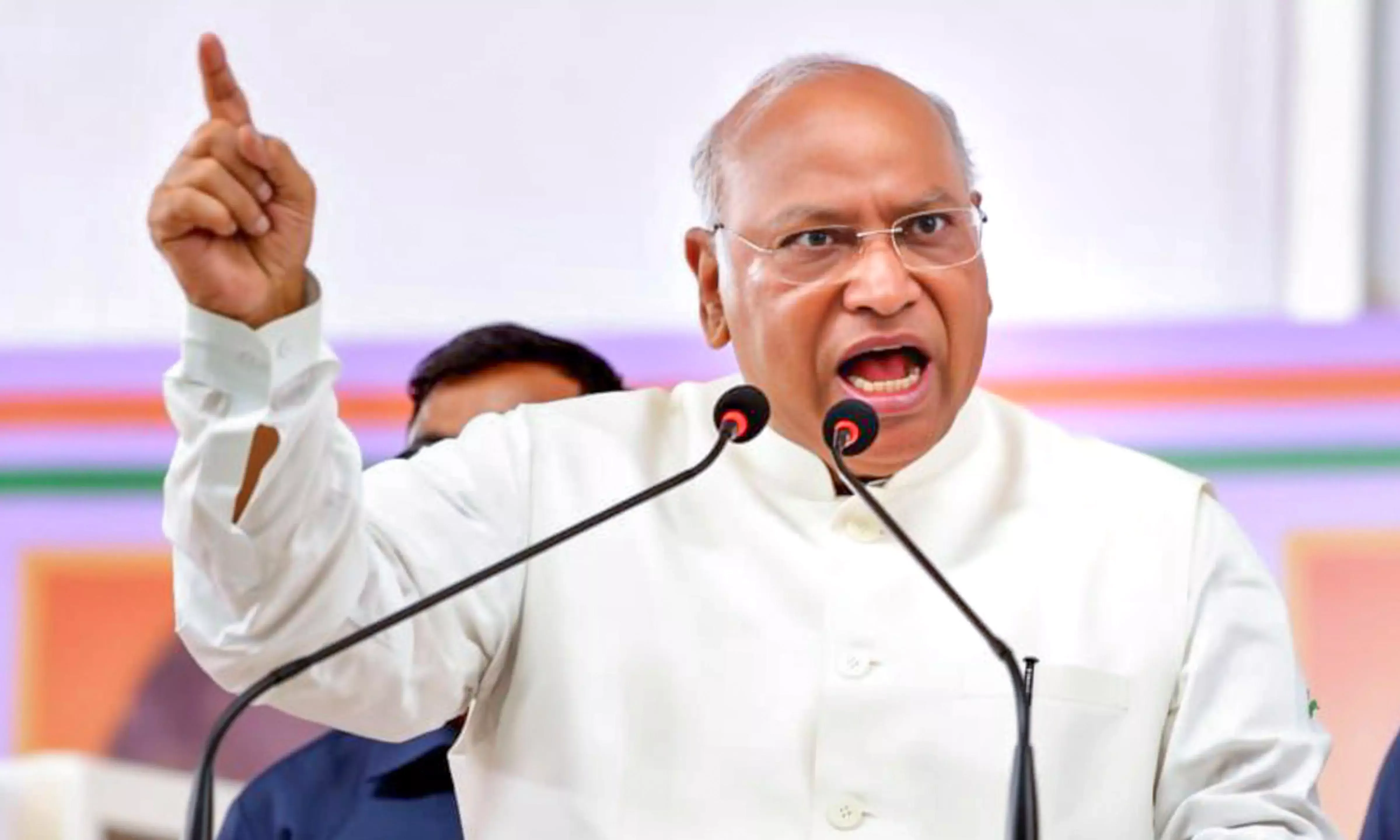
Amidst the electoral maneuvering, Deputy Chief Minister of Telangana, Mallu Bhatti Vikramarka, has been actively campaigning in Puducherry. He presented the Telangana government's welfare schemes as a model, contrasting the Congress's purported focus on 'welfare and development' with the BJP's alleged service to 'corporate and multinational companies.' His presence highlights the broader political narratives being deployed by national parties within the local electoral fray.
Electoral Dynamics and Historical Context
The Puducherry Assembly comprises 30 seats. Political analysts note that while the Congress and DMK have an established alliance, earlier difficulties in seat-sharing arrangements have been publicly acknowledged, signaling underlying tensions. The BJP, as part of a coalition government with the NR Congress, is strategically positioned to expand its influence. Official candidate lists have been released by some parties, such as the DMK, while others, like the Congress, are finalizing theirs, leading to simultaneous campaigning by candidates from both parties in certain constituencies.
Read More: Puducherry CM Rangasamy Resigns May 7, 2026, to Form New Government
The Election Commission of India (ECI) remains the authoritative source for election data, providing a repository of historical results and candidate affidavits. This electoral cycle sees various parties intensifying their ground-level campaigns, including door-to-door canvassing, as the election date approaches.
Regional Currents
Elsewhere, broader regional political dialogues are unfolding. In Karnataka, Chief Minister Siddaramaiah has voiced concerns about potential disadvantages for southern states in an upcoming delimitation exercise, hinting at an emerging North-South political fault line. Concurrently, Andhra Pradesh's R&B minister has sought central government assistance for the expansion of national highways, emphasizing the state's commitment to facilitating such projects. These developments, while geographically distinct, reflect a wider context of inter-state political and economic considerations that may indirectly influence perceptions and campaigning strategies across different regions.