Novel Systems Aim to Minimize Harm to Healthy Tissues
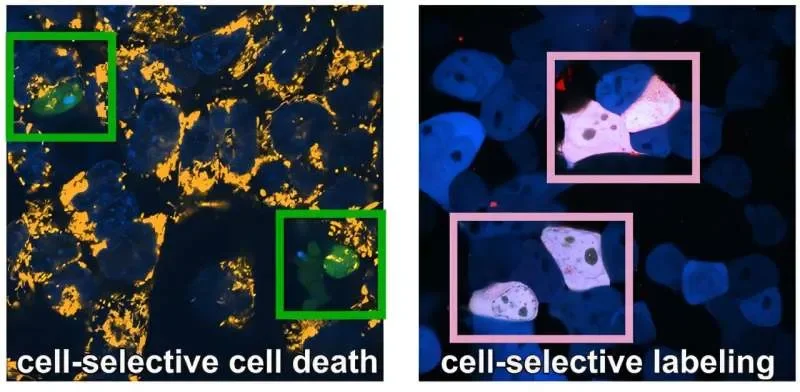
Researchers are developing sophisticated chemical and biological systems designed to deliver potent drugs exclusively to diseased cells, a significant departure from current treatments that often inflict collateral damage on healthy tissues. This pursuit centers on a form of "programmable chemistry," where molecular machinery is engineered to activate only under very specific conditions found within target cells.
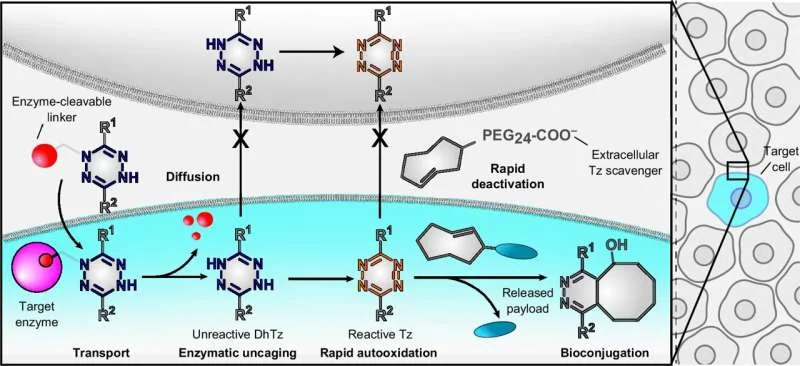
This approach leverages advancements in bioorthogonal chemistry, a field that enables chemical reactions to occur within living systems without interfering with native biological processes. Recent work has focused on two main avenues: enzyme-activated chemical cages and DNA-based drug delivery systems.
Tetrazine Cages Offer Precision Activation
One promising development involves specially designed tetrazine cages. These cages encase potent drug molecules, rendering them inactive until they encounter specific enzymes. These enzymes are typically found in higher concentrations within target cells, such as cancer cells. Upon encountering the target enzyme, the cage opens, releasing the drug precisely where it's needed. To further enhance accuracy, researchers are employing "scavenger" molecules that neutralize any drug released outside the intended cellular environment. This layered approach aims to prevent the indiscriminate activation that plagues traditional therapies like chemotherapy.
Read More: India IVF Costs And Social Barriers Limit Access In April 2026
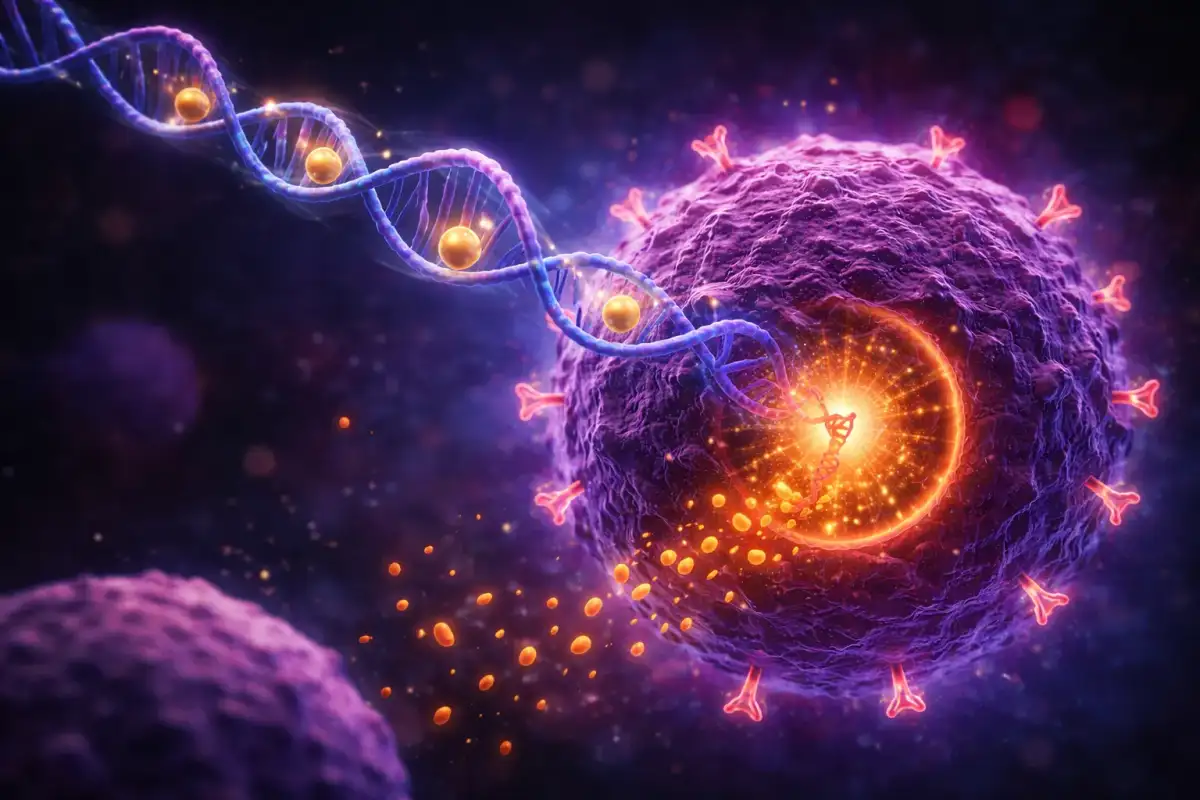
DNA Constructs as Smart Drug Carriers
Separately, scientists are building "smart" drugs from synthetic DNA. These systems typically consist of multiple DNA strands, each carrying a specific component:

Binders that recognize unique markers on cancer cells.
A potent, cell-killing drug payload.
These DNA strands are designed to self-assemble and activate only when they detect a precise combination of tumor-specific markers. This multi-marker requirement acts as a sophisticated lock-and-key mechanism, drastically reducing the chance of activating the drug in healthy cells that might possess only one of the target markers. The precise localization and activation at the tumor site are key to preserving healthy tissue.
Background: The Perils of Indiscriminate Therapies
Current treatments, particularly chemotherapy, rely on substances that are highly effective at killing rapidly dividing cells. However, this broad-spectrum action means they frequently damage healthy, rapidly dividing cells alongside cancerous ones. This lack of specificity is the root cause of many severe side effects, including hair loss, nausea, and immune suppression.
Read More: Indigenous Data Rights Now Key in Conservation Genomics
The drive towards programmable chemistry is an effort to overcome these limitations. By engineering drugs that respond to specific cellular cues or environments, researchers hope to create treatments that are both more effective and significantly safer, minimizing systemic toxicity and improving patient outcomes. Future clinical trials will be crucial in determining the real-world efficacy and scalability of these advanced therapeutic systems.