Prince Harry has stated he "will always be part of the Royal Family" and is undertaking "the things that I was born to do," directly pushing back against characterizations of him as "not a working royal." These declarations came during a recent visit to Ukraine, where he engaged with the humanitarian landmine clearance organization HALO Trust. This stance represents a clear articulation of his self-perception within the institution, occurring six years after he and Meghan Markle stepped back from senior royal duties in 2020.
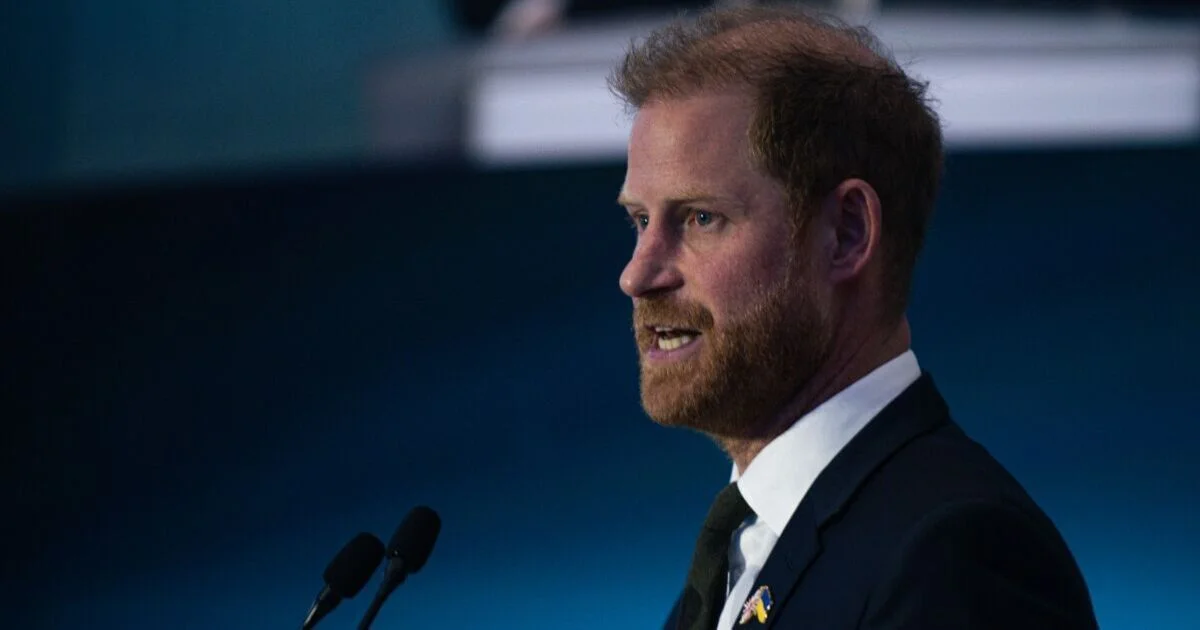
Harry's remarks, made during an interview with ITV News on April 24, 2026, frame his current activities as a continuation of his inherent purpose, regardless of formal titles or institutional roles. He expressed a desire to bring attention to issues that might otherwise fall from public view, highlighting his work in supporting causes he cares about. This public affirmation of his royal roots, even after pursuing an independent life in California, has ignited a wave of critical commentary.
Read More: Harry and Meghan: Private Disagreements on Royal Rift Approach

Public and Expert Reactions
Critics have broadly dismissed Harry's claims, with some labelling his assertion of continued royal work as a "demand for privilege" or even suggesting he is a "traitor." Online commentary points to the apparent contradiction between his past desire to escape royal life and his current framing of his endeavors as royal duties. There is a persistent narrative that he wishes to retain the benefits and recognition of his royal status while eschewing the responsibilities, a move some commentators have deemed a "foolish TV move."

One recurring sentiment questions why, if he is doing "the very thing that I was born to do," he chose to step away from royal life with such apparent distress. This perspective highlights past statements where Harry described his upbringing within the royal family as akin to being in a "zoo" or the "Truman Show," and even expressed hating being born a royal. The juxtaposition of these past sentiments with his current affirmations creates a perceived inconsistency that fuels the criticism.
Read More: US supports Pakistan border strikes against Taliban as of April 2026

Background and Context
Prince Harry and Meghan Markle officially stepped back from their roles as senior working royals in January 2020. Their stated intention was to build a more independent life, seeking financial freedom while still honouring their commitment to the Crown and the Commonwealth. Since then, the couple has undertaken various international tours and engagements, which some observers have likened to official royal tours.
The ongoing narrative surrounding Harry's relationship with the Royal Family has been further shaped by significant public statements, including the Oprah Winfrey interview, the Netflix docuseries Harry & Meghan, and Harry's memoir Spare. These events, according to commentators, have deepened mistrust among senior royals and contributed to a widening rift within the family. Harry has also spoken about a desire for reconciliation with his father, King Charles III, particularly in light of concerns about the King's health, while simultaneously navigating legal challenges concerning his UK security arrangements. His recent visit to Ukraine, while focused on humanitarian work, has once again placed his role and identity within the broader royal context under intense public scrutiny.
Read More: Harry opens car door for Meghan, sparks marriage talk