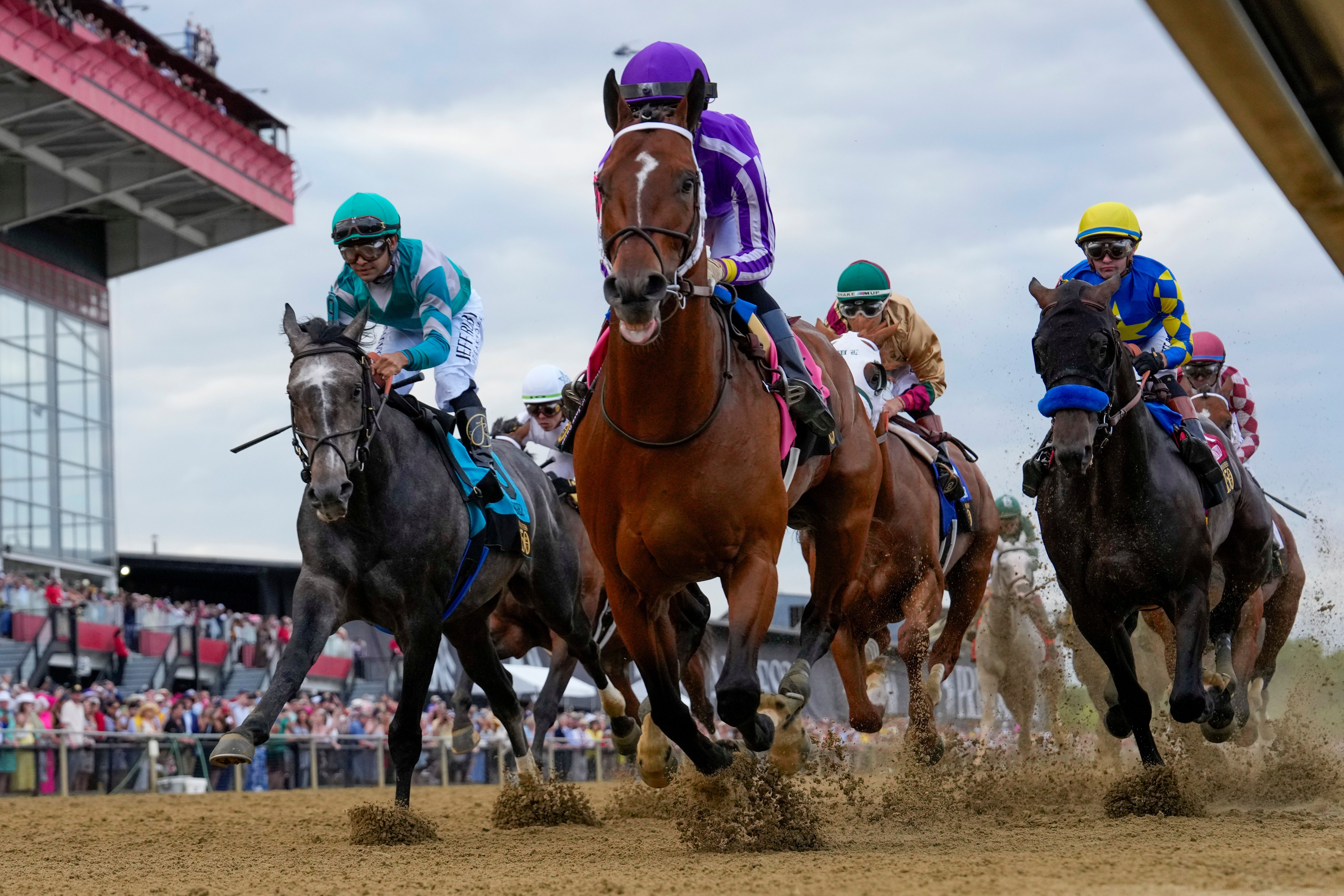
The Preakness Stakes convenes today at Laurel Park, marking a temporary displacement from the traditional Pimlico Race Course, which is currently undergoing a structural overhaul. This shift to the 115-year-old Maryland track introduces a distinct environmental variable for the field: the home stretch is only 1,089 feet, notably shorter than the 1,152 feet at Pimlico or the 1,234 feet at Churchill Downs.

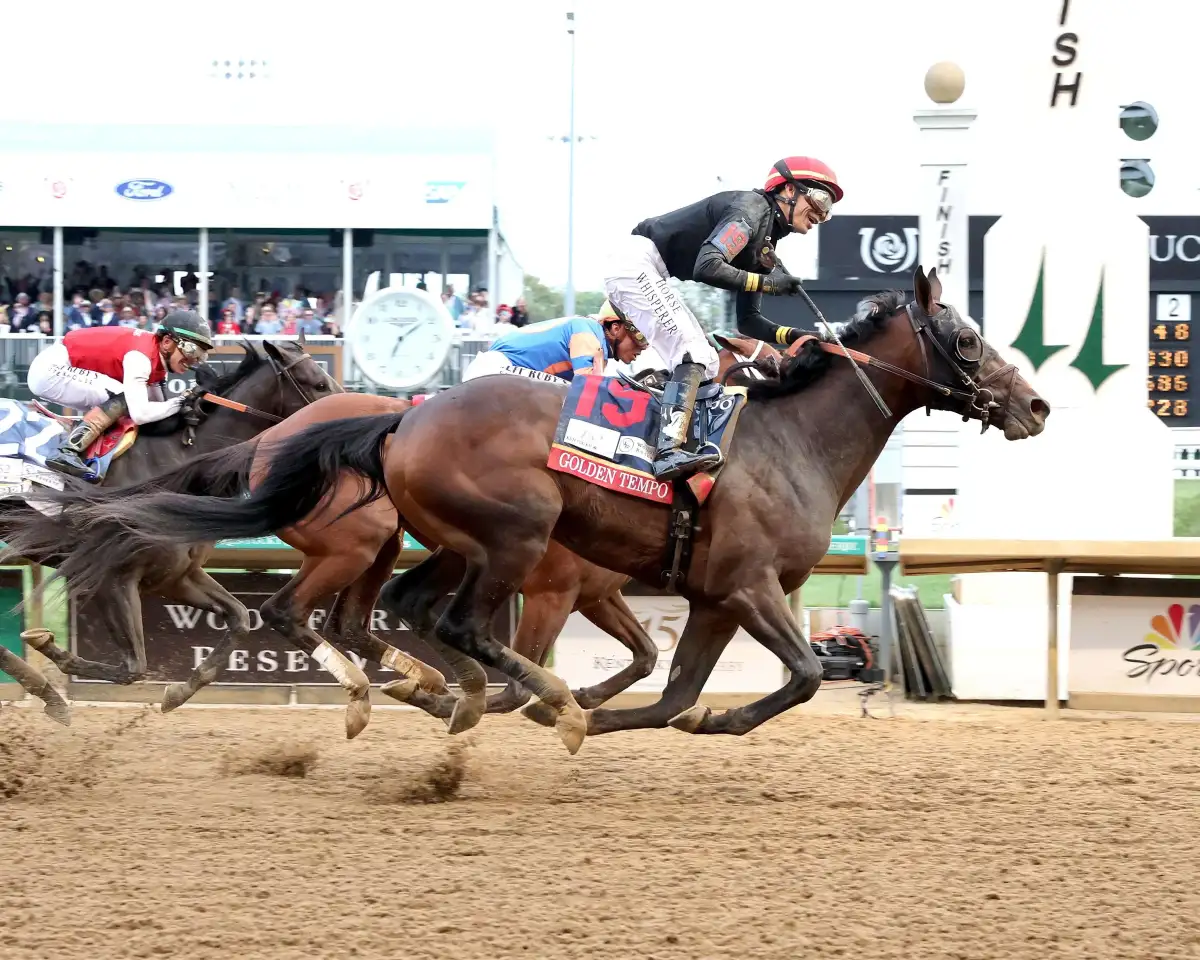
The field enters without the Kentucky Derby victor, Golden Tempo, as trainer Cherie DeVaux opted against entry. With no clear favorite, the event presents a wide-open wagering landscape. The colt Ocelli enters with a notable narrative, attempting to become the first horse since 1888 to break his maiden—earning a first official victory—by winning the Preakness Stakes.
Strategic Factors and Venue Impact
The lack of a primary contender has centered speculation on Taj Mahal, a hometown horse holding an undefeated record across three starts on the Laurel Park dirt course. Trainers are navigating unfamiliar conditions, as the majority of participants lack significant competitive history at this venue.
Read More: FIFA World Cup 2026 Revenue Reaches $15 Billion With New Ticket Prices
Distance Dynamics: The 1 3/16-mile length remains standard, yet the unique geometry of the track's final turn and shorter stretch may reward frontrunners or specific tactical positioning.
Historical Context: The absence of a Triple Crown prospect has become a recurring motif in contemporary racing, fueling broader debates regarding the durability of the modern three-year-old Thoroughbred and the rigorous two-week interval between the first and second legs of the series.
Institutional Shifts
The logistics of the 2026 racing calendar are undergoing re-evaluation. Industry stakeholders are actively considering a structural move to push the Preakness Stakes to three weeks post-Derby. Proponents of this change argue that the current compressed schedule hinders top-tier horses from competing in all three legs of the Triple Crown, a concern underscored by the recent trend of Derby winners bypassing the second jewel.

While the tradition of the sport remains a focal point for many, the practical reality of modern horse management continues to diverge from the historic, condensed schedule that defined previous generations of racing greatness. As Pimlico rebuilds, the temporary migration to Laurel Park serves as an impromptu case study on how venue specifications and scheduling pressure influence the sport's highest tier of competition.
Read More: Circle of Dreams Horse Ready for War Hammer Million Race