

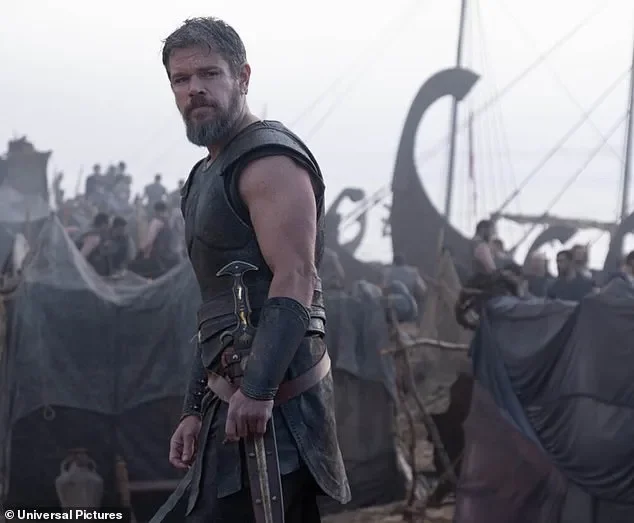
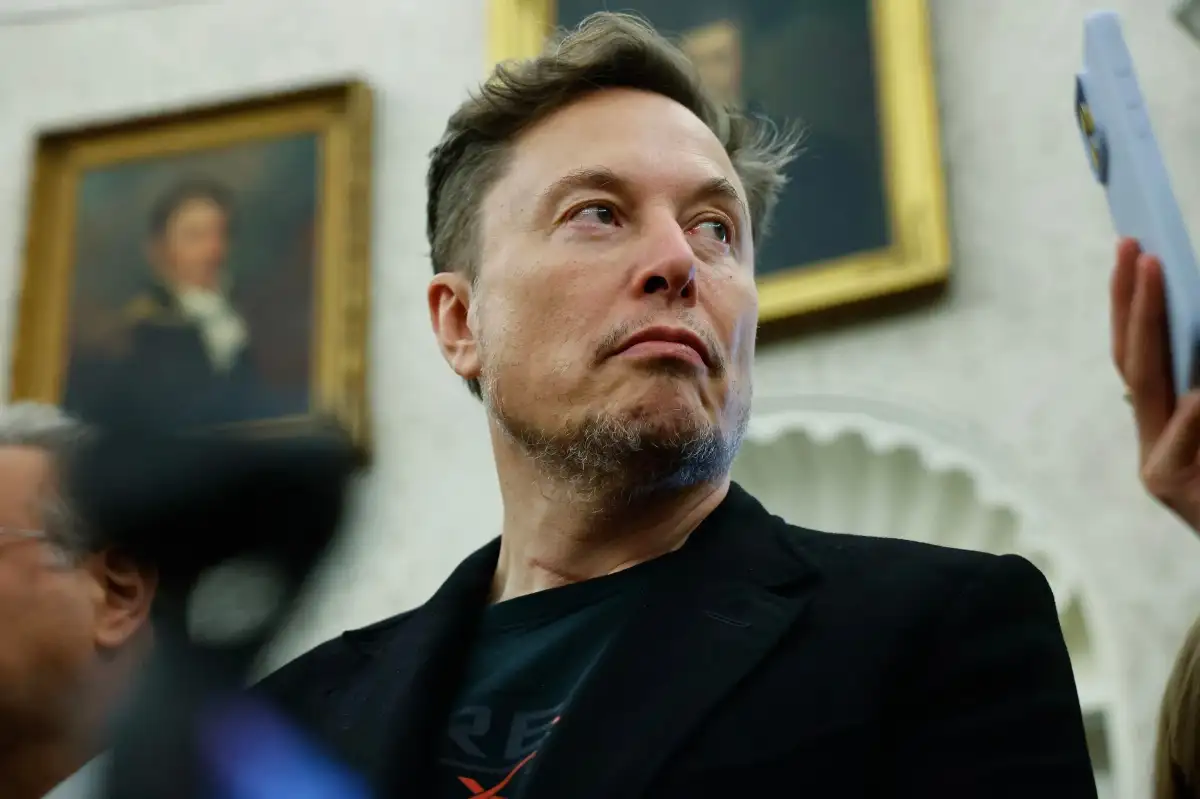
Elon Musk has amplified a debate surrounding director Christopher Nolan's casting choices for his upcoming film, 'The Odyssey,' lodging accusations that the director is prioritizing diversity for awards consideration rather than artistic merit. Musk has, via his social media platform X, aligned himself with criticisms targeting the casting of Lupita Nyong'o as Helen of Troy and transgender actor Elliot Page in an undisclosed role.
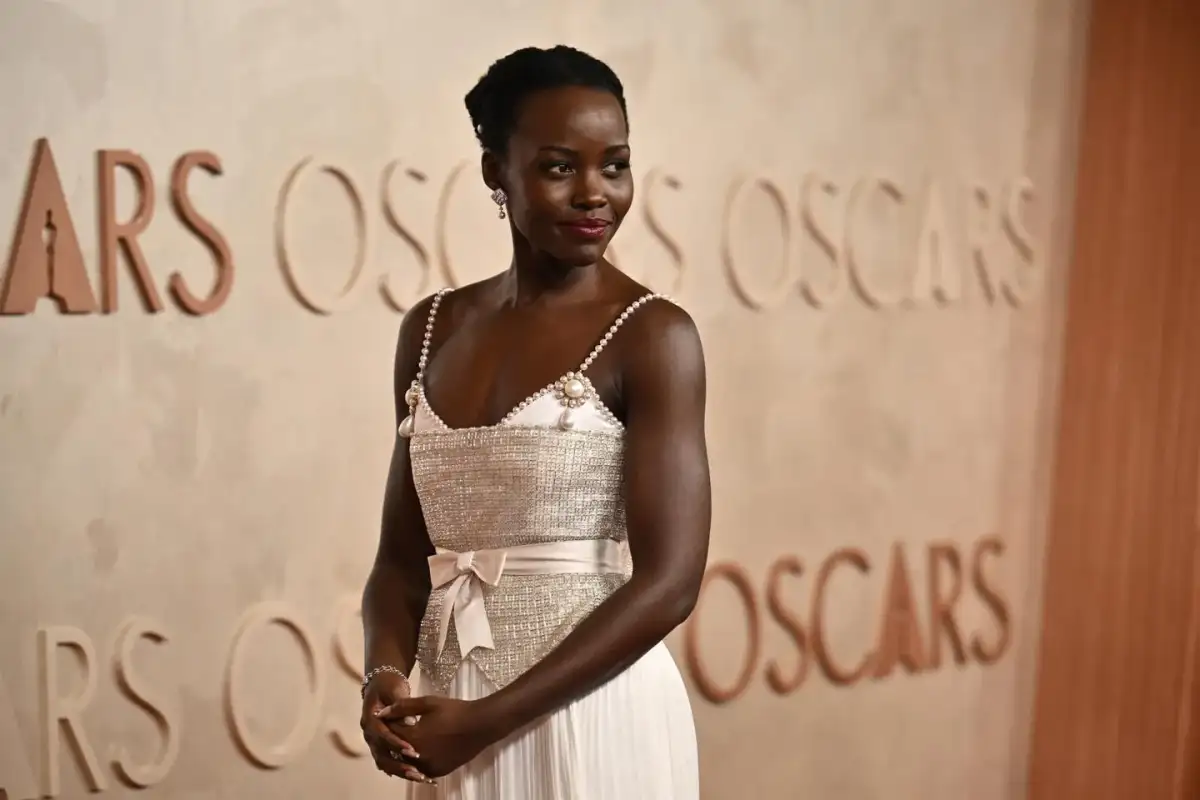
The core of Musk's contention rests on the assertion that Nolan is making politically motivated casting decisions to appease the Academy Awards' diversity standards, a strategy Musk derisively labels as "wanting the awards." This stance has fueled a wider online discussion about representation in filmmaking and the perceived influence of 'woke' culture on Hollywood productions.
Musk's comments, published across several platforms in the past few days, often involve reposting and agreeing with user critiques. These critiques question Nyong'o's suitability as Helen of Troy, referencing her race, and disparage Page's gender identity, particularly in relation to rumors about his character. One such post Musk amplified stated, "why is Christopher Nolan like so many other directors so keen to race swap white characters?" to which Musk replied, "He wants the awards." Another post he agreed with claimed that casting a white woman as "the most beautiful woman in Africa" would provoke "murderous violence," implying a double standard.
Read More: Taylor Swift and Travis Kelce Marry at Madison Square Garden
While Page's specific role in 'The Odyssey' remains unconfirmed by the studio, rumors suggest he may be playing Achilles. Nolan himself confirmed Nyong'o's casting as Helen of Troy, the mythological figure renowned for her beauty, and also as Clytemnestra, Helen's sister, in a recent profile. Nolan's representatives and Universal Entertainment have declined to comment on Musk's statements.
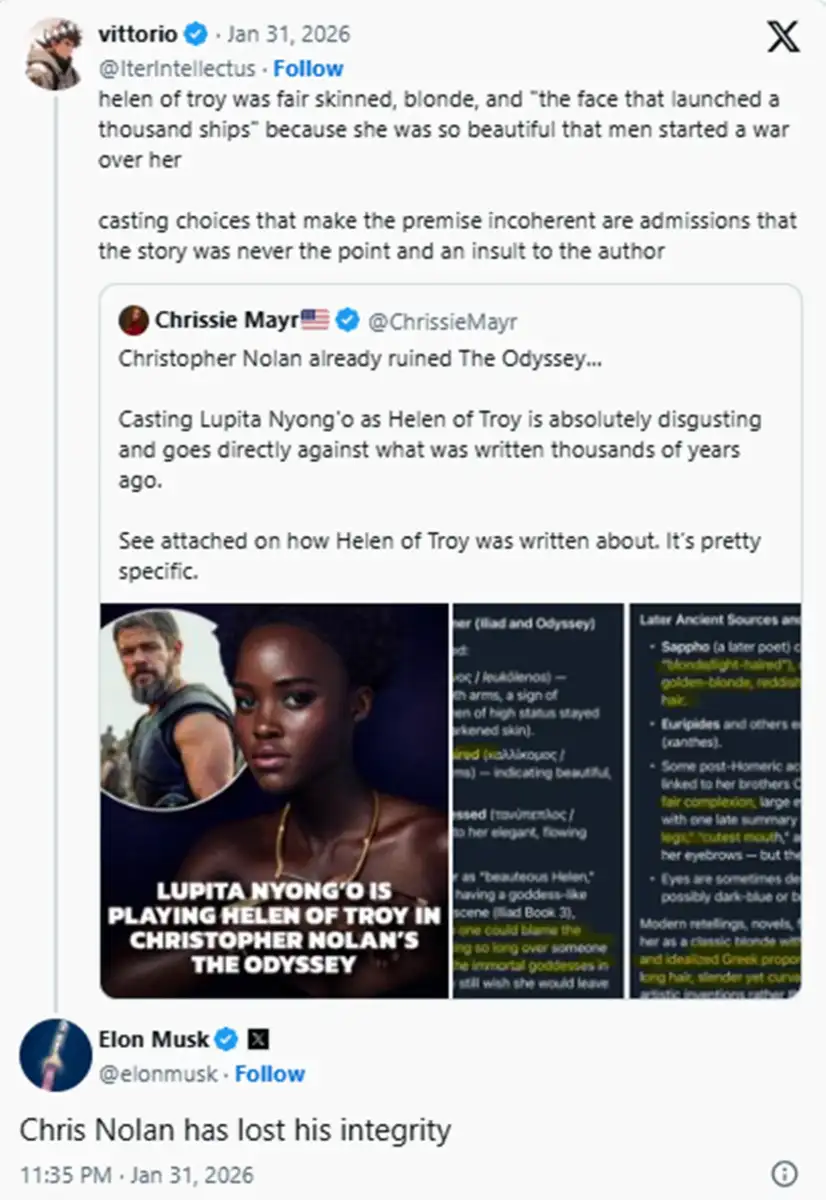
This engagement places Nolan's highly anticipated $250 million adaptation of Homer's epic, slated for a July 17 release, directly into the crosshairs of contemporary culture wars, attracting commentary from various media outlets and polarizing public opinion.





:max_bytes(150000):strip_icc():focal(799x0:801x2)/nyc-sky-taylor-swift-travis-kelce-wedding-070326-2dc0d912004b400eac2c8c8b5adeff2a.jpg)
