Recent explorations into the possibility of growing life on Mars and the Moon have yielded tentative results, suggesting that with specific treatments, simulated extraterrestrial soils might support certain terrestrial life forms. However, a consistent observation across multiple studies indicates that plants and microbes subjected to these conditions exhibit significant signs of stress compared to their Earth-bound counterparts.
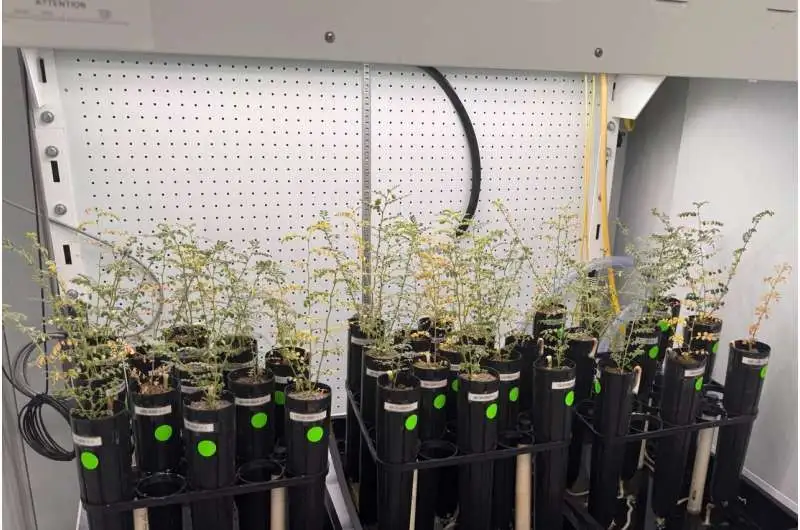
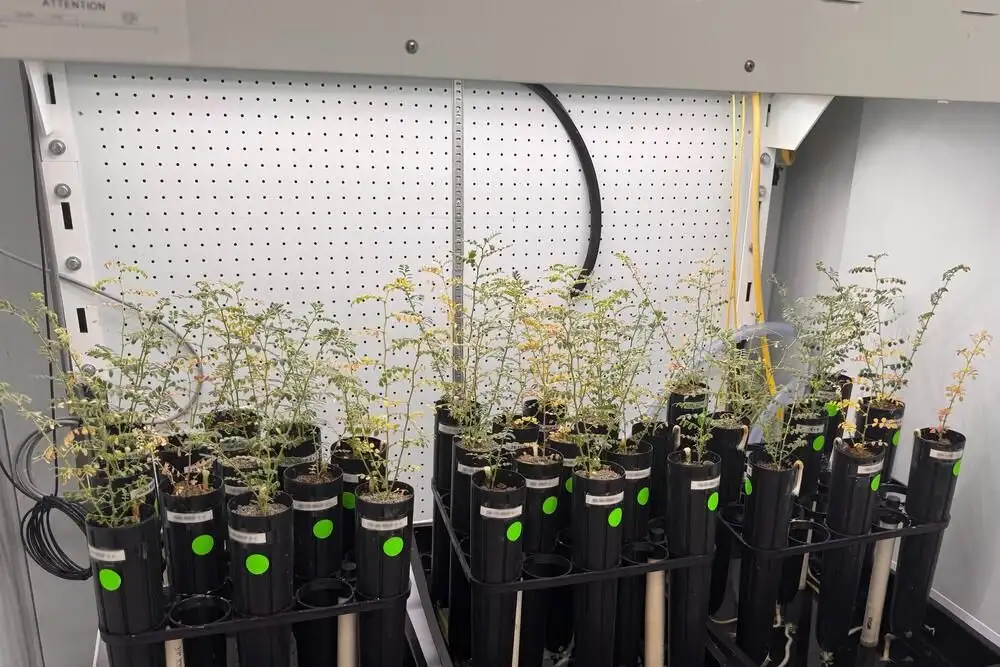
The core of these investigations hinges on transforming inert mineral simulants into something akin to fertile ground. One promising avenue involves treating simulated lunar soil with symbiotic fungi, specifically arbuscular mycorrhizal fungi (AMF), and nutrient-rich compost derived from worm castings. Studies on chickpea plants have demonstrated that this combination can indeed improve their reproductive success and lead to greater shoot and root mass, suggesting enhanced growth. Despite these gains, even treated soils, when containing a proportion of lunar simulant, still induced stress responses in the plants.
Read More: Indigenous Data Rights Now Key in Conservation Genomics
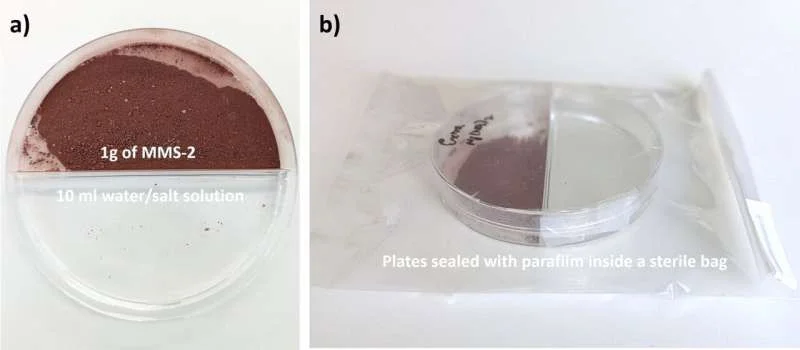
Further research delves into the survival and growth of microbes in simulated Martian soil. Experiments using various Martian regolith simulants, such as Mohave Mars Simulant-1 (MMS-1), Mars Global Simulant-1 (MGS-1), and JSC Mars-1A (JSC), have explored the viability of terrestrial bacteria like Escherichia coli and extremophiles such as Planococcus halocryophilus. While E. coli showed limited growth, certain extremophiles demonstrated better survival rates, particularly in the JSC simulant, even under relatively arid conditions with minimal water.
THE CHALLENGE OF NUTRIENTS AND STRESS
A recurring theme in these findings is the inherent deficiency of essential nutrients in extraterrestrial soil simulants. For instance, crops like Arabidopsis thaliana and Kailan (Brassica sp.) grown in Martian simulants require the supplementation of fertilizer solutions to achieve any significant growth. This highlights a fundamental hurdle: Mars and the Moon lack the complex organic matter and biological processes that enrich Earth's soils.
Read More: NASA Robot Mission Launched to Raise Swift Telescope Orbit, Add 10 Years
Beyond nutrient deficiencies, the very composition of these simulated soils appears to exert a strain on plant life. Previous attempts to improve lunar soil fertility, while showing some success, consistently resulted in plants displaying signs of stress. These can manifest as stunted growth and yellowing of leaves, indicating that simply adding amendments may not fully counteract the alien nature of the regolith.
CONSTRUCTING MINI-ECOSYSTEMS
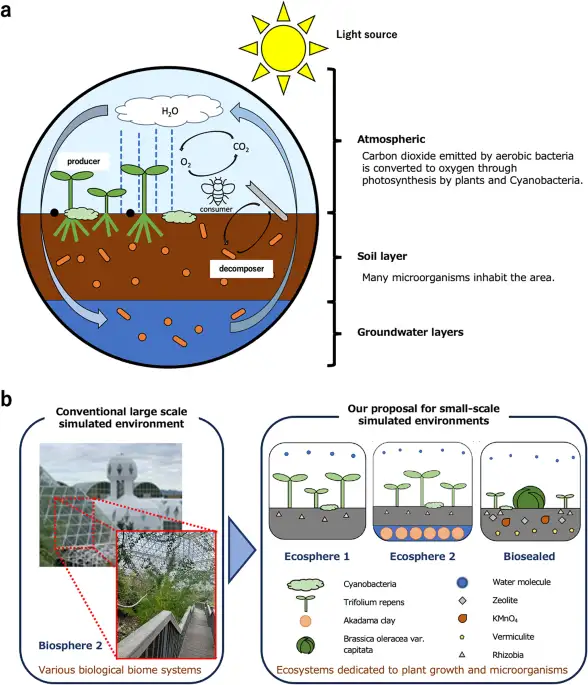
The capacity for life to persist in sealed, miniature ecosystems using these simulated soils is also under scrutiny. Research has examined plant growth under controlled conditions, comparing outcomes with and without microbial sterilization and under different lighting setups. These experiments, while sometimes focusing on lunar soil simulants like fly ash and clinker ash, contribute to understanding the broader requirements for establishing any form of life beyond Earth.
UNCONVENTIONAL FERTILIZERS
An intriguing development in making extraterrestrial soils more amenable to plant life involves the use of human waste. Recent research suggests that treating lunar and Martian regolith simulants with astronaut waste can transform them into viable growing mediums. These treated simulants have shown the potential to release essential plant nutrients, a critical step towards enabling cultivation in off-world environments. Experiments in this area have involved collaborations with NASA's Kennedy Space Center.
Read More: New Room Temperature Photon Source for Quantum Tech in Korea
A HISTORICAL PERSPECTIVE
The quest to understand life's potential beyond Earth has been a long-standing pursuit. Early experiments focused on basic survivability, while more recent efforts have become increasingly sophisticated, examining not just survival but active growth and reproduction. The two papers published in Scientific Reports represent a current phase in this ongoing exploration, evaluating the capacity of life to endure and flourish in simulated lunar and Martian soils.