


Unease Over Rising Cases and Shifting Risk Profiles
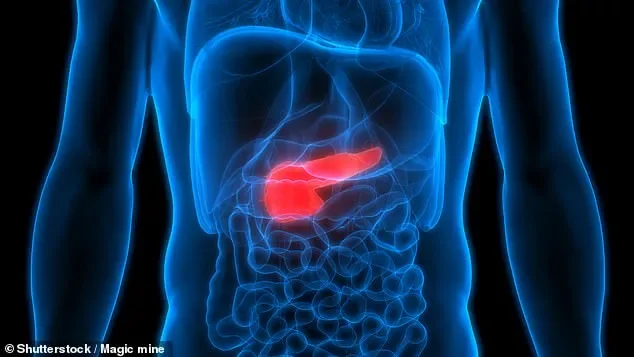
The discourse around pancreatic cancer intensifies, with growing concern over potential increases in its incidence. While definitive data remains fluid, experts point to a constellation of factors that may be influencing this trend, urging a re-evaluation of prevalent risk elements. The conversation has been amplified by high-profile cases, inadvertently raising public consciousness around a disease often diagnosed late.
Weight-Loss Drugs and a Nebulous Link
Recent attention has turned to the potential, though unsubstantiated, link between new weight-loss medications and pancreatic cancer. While such therapies have shown promise in managing obesity, a widespread health challenge, the question of their long-term impact on pancreatic health lingers. However, the overwhelming majority of pancreatic cancer diagnoses are described as sporadic, suggesting factors beyond specific interventions play a significant role.
Smoking's Persistent Shadow
Smoking remains a significant, quantifiable contributor to pancreatic cancer. Cancer Research UK data indicates that approximately one in five pancreatic cancer cases in the UK are tied to this habit. This persistent association underscores the enduring impact of tobacco use on cancer development.
Read More: India IVF Costs And Social Barriers Limit Access In April 2026
The Evolving Landscape of Nicotine Consumption
The role of newer nicotine products, such as e-cigarettes and snus, is less clear-cut. There is no conclusive evidence directly linking e-cigarettes to pancreatic cancer. Yet, preliminary laboratory research hints that certain compounds present in these products might interact with pancreatic cells, necessitating further scrutiny. The rise of snus, a smokeless tobacco product, is also being examined for its potential to drive an increase in pancreatic cancer cases, though the precise extent of this influence is still under investigation.
A Disease of Prominent Faces
Pancreatic cancer has, over time, touched the lives of several well-known personalities. This has, in turn, served to elevate public awareness of the disease, bringing its challenges and complexities into sharper focus.



/og.png)


