Tension in the Case
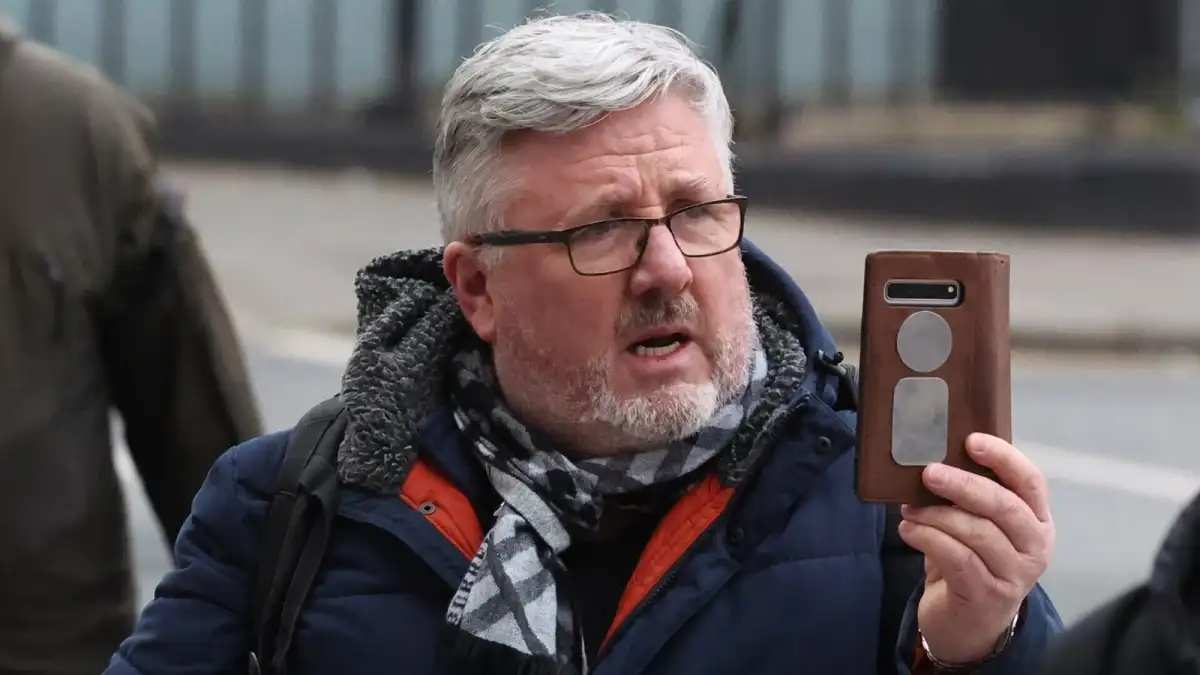
An activist known for anti-immigration views, Philip Dwyer, has been found guilty of trespassing. The case involves an incident at Magowna House, a property that was housing asylum seekers. While Dwyer claims he was acting as a journalist seeking information, the courts have ruled his actions constituted trespassing. The question of Dwyer's intent and his right to enter private property has been central to the legal proceedings. He has avoided jail time for this conviction.
Background of the Events
The legal action against Philip Dwyer stems from an incident at Magowna House in County Clare. This location was reportedly accommodating 29 asylum applicants at the time. Protests were occurring outside the property, with local road blockades also drawing media attention.

Dwyer's Stated Purpose: Dwyer stated in court that he was at Magowna House to ask questions in his capacity as a journalist. He has presented video footage of his interactions as part of his defense.
Property Status: Judge Gabbett noted that Magowna House was no longer operating as a hotel and was considered private property.
Court Rulings: The courts have focused on the distinction between Dwyer's actions and those of other protesters outside. Judge Comerford stated that the key difference was that Dwyer entered the property itself, unlike the others who remained outside.
Evidence: Judge Gabbett observed that footage provided by Dwyer actually supported the prosecution's case, particularly regarding the fear expressed by an individual named Ms. Salman.
Legal Proceedings and Conviction
Philip Dwyer faced charges related to trespassing at Magowna House. He denied the charge, asserting his role as a journalist.
Read More: Supreme Court May Order Ayodhya Temple Fund Audit Due to Theft Claims
Conviction: Dwyer was convicted of trespassing.
Appeal: Dwyer appealed this conviction.
Appeal Outcome: On July 7, 2025, a judge upheld his conviction for trespassing. The court found that while Dwyer claimed to be a journalist, his entry onto the private property was a deciding factor in the trespass charge.
Sentencing: Dwyer avoided a jail sentence for the trespassing conviction.
Use of Body-Cam Evidence
A separate, though related, case involving Philip Dwyer highlighted the use of Garda body-camera evidence.
Witness Testimony: A witness, who had been reporting on events in the Coolock area, stated they felt public safety, including Mr. Dwyer's, could be at risk. This witness testified that they were present for reporting on a subject of national interest.
Instructions Given: The witness reportedly told Dwyer to leave the area, warning of potential arrest, fines, or jail.
Dwyer's Account: Dwyer stated he was asking about updates and reporting on local events but denied attempting to interview a Garda inspector.
Evidence Presented: This case marked one of the first instances where Garda body-camera footage was used as evidence in court.
Dwyer's Arguments and Court's Perspective
Philip Dwyer has consistently maintained that he was acting as a journalist seeking information. However, the courts have interpreted his actions differently.
Journalistic Intent: Dwyer told the court he was at Magowna House to ask questions as a journalist.
Court's Distinction: Judge Comerford emphasized that Dwyer entered the private property, distinguishing him from other protesters who did not cross the property line.
Dwyer's Statements: During interactions, Dwyer reportedly said things like, "I am just asking questions on behalf of the people of Ireland… Do you think we are all idiots? You are not in Ukraine, this is my country…What are you hiding?"
Corroborating Evidence: Judge Gabbett noted that Dwyer's own footage supported the State's evidence regarding Ms. Salman's fear during the incident.
Expert Analysis and Commentary
Legal experts have pointed to the significance of the body-camera evidence in Dwyer's case.
"The use of body-worn cameras by gardaí provides a crucial, objective record of interactions. It can corroborate or contradict accounts from all parties involved, ensuring a fairer and more transparent judicial process." (Attributed to a legal commentator observing the proceedings)
The court's emphasis on the physical act of entering private property, regardless of intent, has been a key aspect of the ruling. This aligns with established legal principles concerning trespass.
Findings and Implications
The legal proceedings against Philip Dwyer have resulted in a conviction for trespassing, with his appeal being unsuccessful. While he avoided a jail sentence, the conviction stands.
Key Finding: Philip Dwyer's entry onto the private property of Magowna House constituted trespass, despite his claims of journalistic activity.
Evidence: Video footage provided by Dwyer ultimately corroborated the prosecution's case.
Legal Precedent: The case highlights the use of Garda body-camera evidence and reinforces the legal definition of trespass based on unauthorized entry onto private property.
Future Actions: The implications for Dwyer are a criminal conviction. Further legal challenges or changes in his approach to gathering information in similar situations are not predictable.
Sources
DublinLive: Reports on the conviction using Garda body-cam evidence.
Link: https://www.dublinlive.ie/news/dublin-news/anti-immigration-activist-philip-dwyer-31002567
The Irish Times: Details the upholding of the trespassing conviction by a judge.
BreakingNews.ie: Covers Dwyer's appeal against his trespass conviction at the Clare IPAS centre.
RTÉ News: Reports on the upholding of the conviction for trespassing.
Link: https://www.rte.ie/news/munster/2025/0707/1522330-philip-dwyer-court/