


The Supreme Court of India has raised serious concerns regarding states' widespread practice of offering free benefits, often called "freebies." The court suggests this approach might harm the country's economic progress and work habits, while also questioning if states should spend more on creating jobs instead of giving out universal gifts. This discussion comes during a national talk about how much these welfare programs cost, why they are offered, and the risks for states that do not have enough money.
The court's words highlight a bigger concern about how public money is used. Judges questioned whether providing free items to everyone, without checking if they truly need help, is a wise use of funds. This direct questioning by the highest court points to possible future changes in how state governments plan their budgets and welfare programs.
Events Leading to Court's Intervention
On a recent date, the Supreme Court heard a request from the Tamil Nadu Power Distribution Corporation Ltd (TNPDCL). This plea was about a plan to give free electricity to all people, regardless of how much money they have. During this hearing, a three-judge panel, led by Chief Justice of India Surya Kant, shared strong views on the overall trend of states giving away free items.

The court noted that many states, even those without enough income, seem to spend freely on such benefits. The judges questioned if it was time for states to look again at these policies. The court later sent a notice to the Union Government and others to get their side of the story on the TNPDCL request.
Read More: India Supreme Court Starts New Rules for Lawyer Groups Across Country
Court Observations
During the hearing, the Supreme Court made several observations:

"If you start giving free food from morning to evening then free cycle, then free electricity then who will work and then what will happen to the work culture."
States "instead of spending on development projects, do two jobs - paying salaries and distributing such largesse."
The distribution of benefits without targeting the needy could "hamper" national economic growth.
States often "spend disproportionately on salaries and subsidies rather than on development projects."
"Most of the states in the country are revenue-deficit states and yet they are offering such freebies overlooking development."
Economic Concerns and Development Spending
The Supreme Court highlighted a possible conflict between state spending on free benefits and long-term economic growth. The judges pointed out that many states do not have enough money but still spend on giving gifts.
The court suggested that free items can hurt economic growth and the habit of working.
It was noted that states often spend a lot on salaries and free items instead of building projects that help the economy grow.
The Chief Justice asked why states spend freely when they often do not have enough income.
This pattern, the court suggested, might take away money needed for important development work.
Universal Benefits Versus Targeted Support
A main point of the court's concern was the practice of giving free items to everyone, without checking who really needs them. The judges made a clear difference between helping those in need and offering benefits to all.
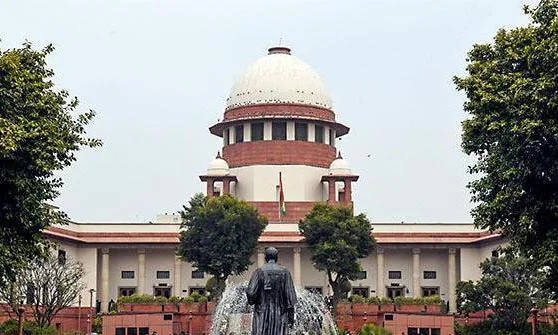
The court said it understands helping poor people, like those who cannot pay for electricity.
However, the court asked, "What is the distinction between persons who are capable of paying the electricity bill and persons who are marginalised?"
It questioned if giving benefits to everyone, rich or poor, might be seen as a way to please people rather than true welfare.
The judges urged states to "revisit these policies" that give universal free items without looking at if people can pay.
Work Culture and Employment Generation
The Supreme Court also raised questions about how free benefits might affect people's desire to work and the overall work culture in the country.
Chief Justice Surya Kant directly asked what would happen to work culture "If you start giving free food from morning to evening then free cycle, then free electricity."
The court said that states should focus on creating jobs and opportunities for people to earn money.
This view suggests that giving free things might reduce the need or desire for people to find work, potentially slowing down economic activity.
The judges stressed that states should work to "open avenues for employment" instead of giving out many free items.
The Tamil Nadu Electricity Proposal
The specific case involving Tamil Nadu Power Distribution Corporation Ltd (TNPDCL) served as the immediate trigger for the Supreme Court's wider discussion. The court asked specific questions about this plan.
Read More: Illinois Judge Rules Buffalo Wild Wings Can Keep 'Boneless Wings' Name
TNPDCL proposed to give free electricity to all users, regardless of their financial state.
The court asked the Government of Tamil Nadu to explain why this free electricity plan was announced suddenly.
Judges also questioned why the state power company decided to spend freely right after new electricity prices were set.
This particular case brought to light the larger issue of states suddenly announcing welfare schemes, sometimes before elections.
Conclusion
The Supreme Court of India has clearly stated its concerns about the "freebies culture" in Indian states. The court's main points include the possible harm to economic growth, the need for states to focus on creating jobs, and the wisdom of giving universal benefits without checking who needs them.
The court has sent a notice to the Union Government and others involved in the Tamil Nadu electricity case. This means the court will seek their official responses. These findings suggest that state governments might face pressure to rethink their welfare programs, with a focus on targeted support for the needy and on efforts to boost employment. The current legal process shows the matter is still under review, with more steps expected to gather information from all parties involved.
Read More: Control Z opens 100+ stores in India and plans 1,000 by next year for used phones
Sources
SC raps States over freebies culture, says ‘If you start giving free food…’ | Today News
SC slams freebies culture, says states should open avenues for employment
Elections: SC slams freebies culture, puts onus on States to provide employment
What kind of culture is this? Supreme Court slams states over pre-poll freebies
SC questions ‘freebies culture’, flags impact on economic development


)