A recent court decision has settled a dispute over the naming of a popular menu item. An Illinois judge has ruled that Buffalo Wild Wings can continue to label their "boneless wings" as such, stating that the term is not misleading to consumers. This ruling comes after a customer filed a lawsuit claiming the name implied a different product than what was served.
The case centered on the definition of "wings" and whether the restaurant's boneless chicken product accurately reflected that term. The judge's decision hinged on how a reasonable person would interpret the menu item's name and description.
Background of the Lawsuit
In 2023, a customer named Aimen Halim filed a lawsuit against Buffalo Wild Wings. The core of the complaint was that the restaurant's "boneless wings" are not, in fact, wings. Halim argued that these items are primarily chicken breast meat, shaped and breaded, and therefore more akin to chicken nuggets. This, he contended, constituted false advertising under the Illinois Consumer Fraud and Deceptive Business Practices Act. Halim claimed he expected to receive deboned chicken wing meat, not processed chicken breast.
Read More: New Pumpkin Dish with Feta Pico Announced April 8 2026
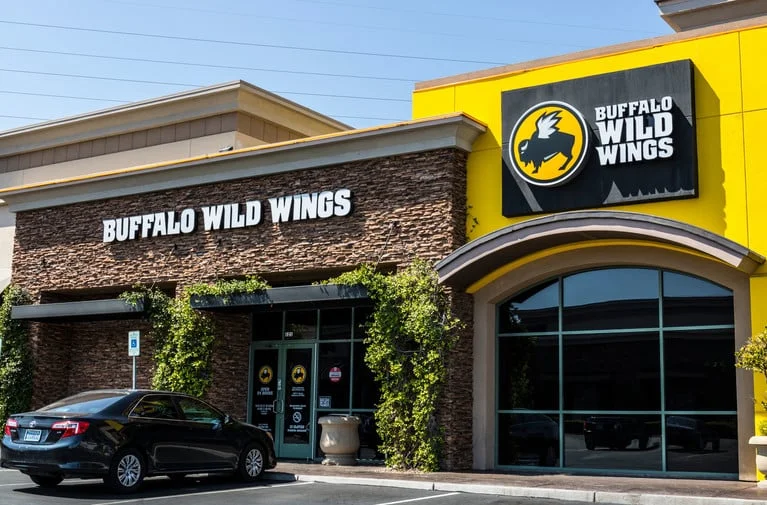
Buffalo Wild Wings offers several variations on their menu:
Bone-In Wings: Traditional chicken wings.
Boneless Wings: Described as "juicy all-white chicken, lightly breaded, handspun in choice of sauce or dry rub."
Cauliflower Wings: A vegetarian option.
The lawsuit suggested that the term "boneless wings" led reasonable consumers to believe they were ordering chicken wings with the bones removed, rather than a distinct chicken breast product.
The Judge's Reasoning
U.S. District Judge John Tharp dismissed the lawsuit, stating that the complaint "has no meat on its bones." He concluded that a reasonable consumer would not be deceived by the term "boneless wings."

The judge's analysis focused on several points:
Common Understanding: Judge Tharp wrote that "a reasonable consumer would not think that BWW's boneless wings were truly deboned chicken wings, reconstituted into some sort of Franken-wing." This implies an understanding that the product, while named "wings," is understood to be processed chicken.
"Fanciful Name": The judge described "boneless wings" as a "fanciful name" – a creative or imaginative label that doesn't necessarily describe the exact composition.
Comparison to Other Items: Tharp also referenced Buffalo Wild Wings' "Cauliflower Wings." He noted that this item is listed under the "wing" section of the menu, and its non-wing composition does not cause confusion. This served as an analogy: just as cauliflower wings are not made of chicken wings, "boneless wings" are not necessarily expected to be derived solely from chicken wing meat.
Ambiguity of Terms: The judge highlighted that words can have multiple meanings. He used the example of "buffalo wing," clarifying that this term refers to the sauce, not to meat from a buffalo. This supports the idea that menu item names don't always denote literal ingredients.
Legal Interpretations of "Wings"
The lawsuit's central contention was a narrow interpretation of "wings," suggesting it must exclusively refer to the anatomical part of a chicken bird. However, legal interpretations, as seen in this case, often consider broader consumer understanding and linguistic conventions.
Read More: Pam Bondi Skips April 14 Deposition After DOJ Says Subpoena Is Invalid
Plaintiff's Argument: Halim argued that "boneless wings" implies a product made from actual chicken wings that have had their bones removed. He claimed the item served was essentially a chicken nugget, constituting false advertising.
Restaurant's Position (Implied): Buffalo Wild Wings, through its product description and the judge's acceptance of its labeling, suggests that "boneless wings" is understood as a distinct menu item, characterized by its preparation and sauce, rather than its precise origin of meat.
Judicial Interpretation: Judge Tharp's ruling adopts a perspective that consumers are aware of different chicken preparations. He suggested that consumers understand "boneless wings" are made of chicken breast meat and do not necessarily expect them to be derived from traditional chicken wing anatomy.
Implications for Food Naming
This ruling offers a precedent regarding how food items can be named and marketed. It suggests that creative or descriptive names, even if not scientifically precise, are permissible if they are not fundamentally deceptive to a "reasonable consumer."
Consumer Expectation: The decision emphasizes the importance of what a "reasonable consumer" would expect. In this context, the expectation is not for a literal deboning of a chicken wing, but rather for a product commonly known as "boneless wings."
"Fanciful Names": The acceptance of "fanciful names" allows for culinary innovation and marketing flexibility. It indicates that menu descriptions, when taken as a whole, are what matter, rather than strict literal interpretations of individual words.
Future Lawsuits: This case could influence future litigation concerning food product names. It establishes that, in certain contexts, descriptive rather than literal naming conventions are protected, provided they do not mislead.
Conclusion and Next Steps
Judge John Tharp's decision dismisses the lawsuit against Buffalo Wild Wings, ruling that the term "boneless wings" is not deceptive. He reasoned that a reasonable consumer would understand the item to be processed chicken breast, not literal deboned chicken wings. The judge granted the plaintiff, Aimen Halim, until March 20 to file an amended complaint.
The legal and public response to this ruling indicates a general acceptance of the judge's reasoning. Buffalo Wild Wings can continue to market its boneless chicken product under its current name. The outcome underscores the idea that common understanding and context play a significant role in interpreting commercial speech.
Read More: Easter chocolate prices rise due to cocoa costs and ingredient quality concerns
Sources Used
RedState: Published "IL Judge Rules Lawsuit Is Rotten Egg — Chicken Case Cracks Over Crucial Decision on Meaning of 'Wings'" on February 19, 2026.
https://redstate.com/bobhoge/2026/02/19/il-judge-rules-lawsuit-is-rotten-egg-chicken-case-cracks-over-crucial-decision-on-meaning-of-wings-n2199324
CBS News: Published "Judge says lawsuit over Buffalo Wild Wings boneless wings has 'no meat on its bones'" on February 17, 2026.
https://www.cbsnews.com/news/buffalo-wild-wings-boneless-wings-lawsuit-ruling/
ABC7 Chicago: Published "'No meat on its bones': Judge tosses lawsuit over Buffalo Wild Wings' boneless chicken wings" on February 17, 2026.
https://abc7chicago.com/post/chicken-wing-lawsuit-illinois-judge-tosses-buffalo-wild-wings-boneless/18615782/
The Guardian: Published "US judge says lawsuit over Buffalo Wild Wings ‘boneless wings’ lacks meat" on February 18, 2026.
https://www.theguardian.com/food/2026/feb/18/buffalo-wild-wings-boneless-wings-ruling
USA Today: Published "Judge tosses boneless wing lawsuit, says it has 'no meat on its bones'" on February 17, 2026.
https://www.usatoday.com/story/news/nation/2026/02/17/buffalo-wild-wings-boneless-wings-lawsuit-dismissed/88730519007/
Law.com: Published "No Harm, All Fowl: 'Boneless' Chicken Wings Can Stay on the Menu, Judge Rules" on February 18, 2026.
https://www.law.com/2026/02/18/no-harm-all-fowl-boneless-chicken-wings-can-stay-on-the-menu-judge-rules/
NBC Chicago: Published "Buffalo Wild Wings can continue to call their wings 'boneless,' judge rules" on February 17, 2026.
https://www.nbcchicago.com/news/local/buffalo-wild-wings-can-continue-to-call-their-wings-boneless-judge-rules/3895455/