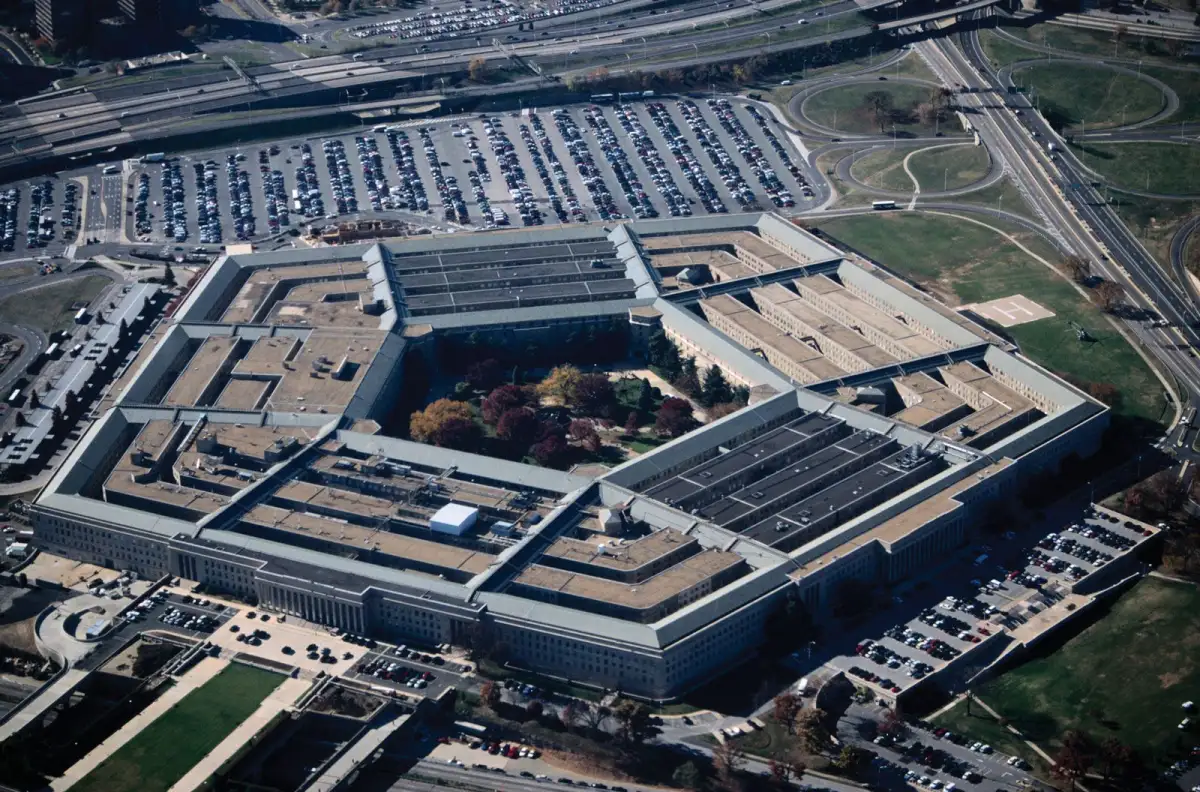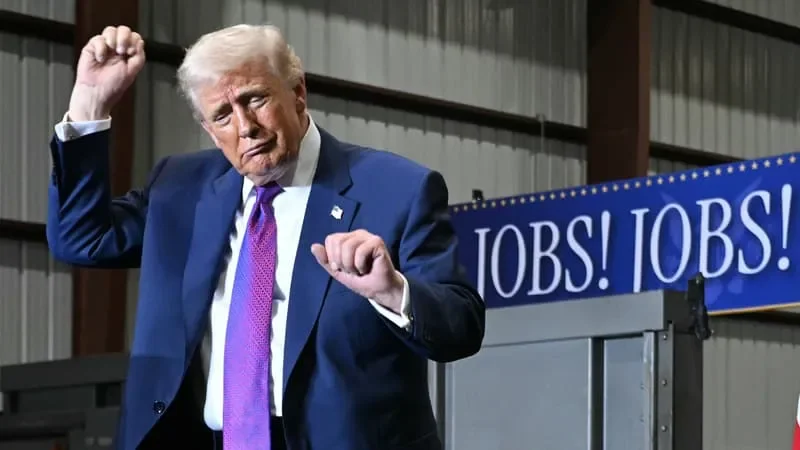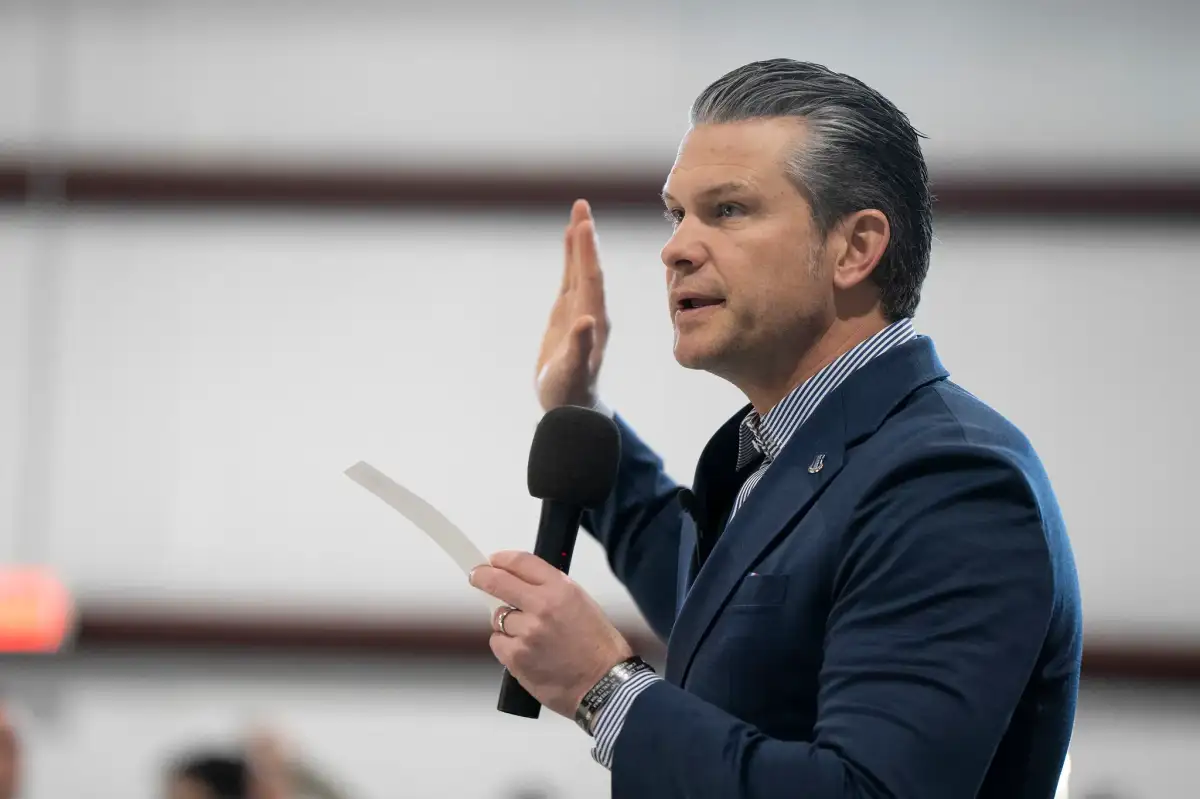
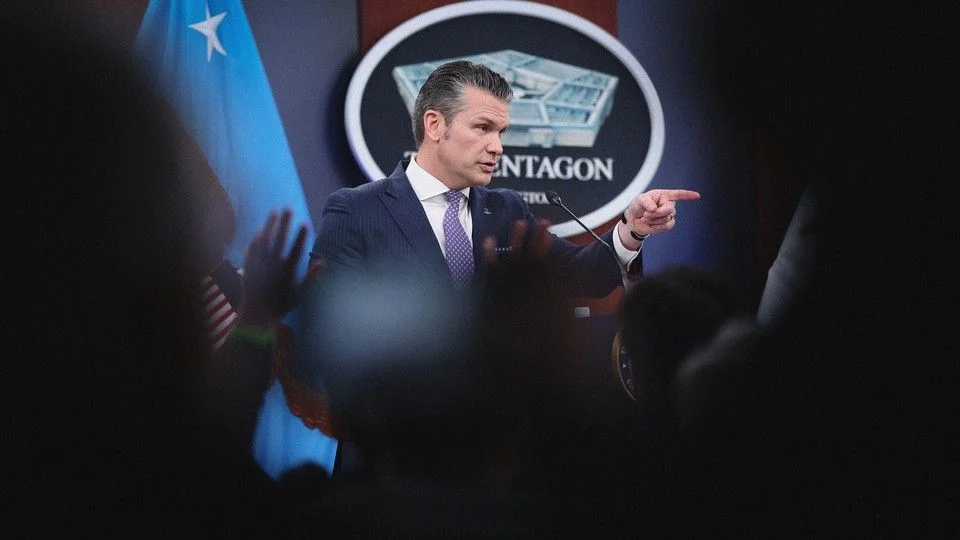
Defense Secretary Pete Hegseth has orchestrated a sweeping overhaul of senior military leadership, dismissing at least a dozen high-ranking officers over the past 16 months, a move he claims is vital for modernizing readiness. The actions, which include the ousting of Army Chief of Staff Gen. Randy George and other top brass like Navy Secretary John Phelan, have ignited sharp bipartisan criticism and internal dissent, even as the U.S. remains engaged in operations tied to tensions in the Strait of Hormuz.

Hegseth is actively purging military leadership, reportedly intervening in promotions and removing generals he perceives as misaligned with his vision or the current administration's doctrine. This consolidation of control comes amid escalating international conflict and has drawn accusations of destabilizing the armed forces during a critical period.
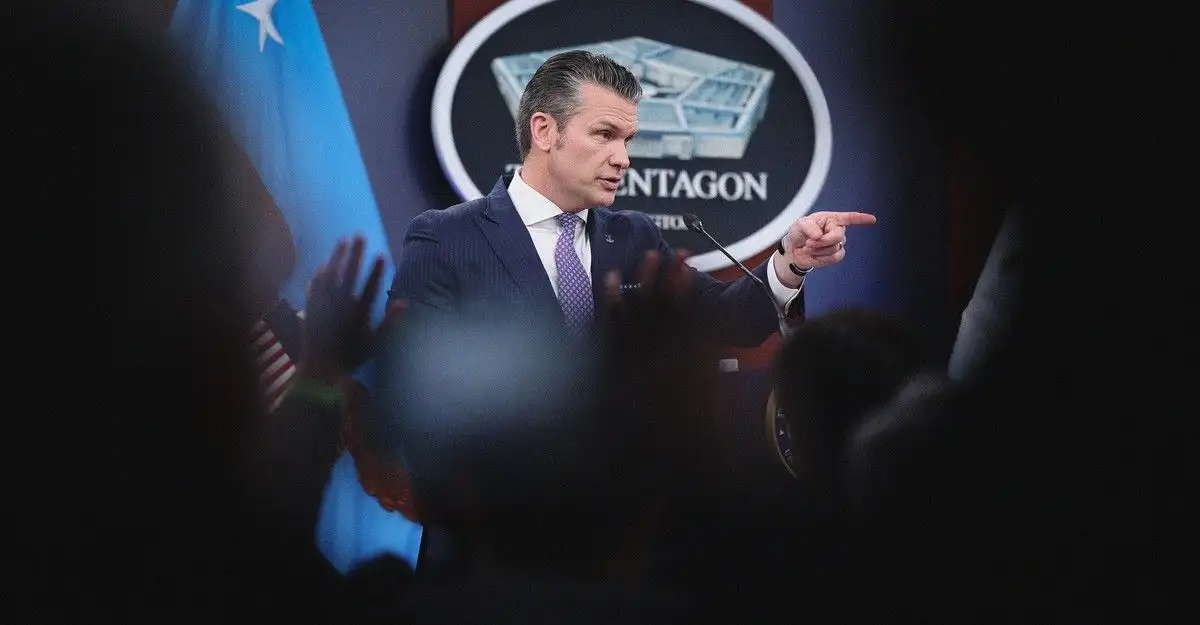
Leadership Overhaul Sparks Bipartisan Scrutiny
A recent House Armed Services Committee hearing saw Hegseth face intense questioning regarding the dismissals. He defended his actions by asserting that the removed generals contributed to a decline in the Department of Defense's effectiveness. However, lawmakers, including Democratic Representative Derek Tran, pressed for specific justifications, which Hegseth largely declined to provide, citing the need for broader leadership modernization.
Read More: Taiwan Holds Nantou County Drills to Prepare for State Collapse
"The American people want to know from you," Representative Derek Tran asked, "did you ask the president for his permission before you fired General George?"
Hegseth affirmed that he "confers with the Commander-in-Chief on especially high-level personnel matters" and that the president "was aware of the action that would be taken."
The shake-up has also been linked to concerns over blocked promotions, particularly for minority and female officers. Army Secretary Dan Driscoll reportedly refused to remove two Black and two female officers from a promotion list, only for their names to be subsequently removed. This has fueled allegations that race and gender may have played a role in Hegseth's decisions, a point that has been directly raised by critics like House Armed Services Committee Ranking Member Adam Smith.

Wartime Dismissals and Internal Unrest
The timing of these dismissals, occurring amidst ongoing U.S. military operations, has been a major point of contention. Gen. Randy George, who was halfway through his traditional four-year term as Army Chief of Staff, was asked to retire immediately. His ouster, along with that of other senior officers, including Air Force Gen. Charles Plummer and Navy Vice Adm. William Green, has been described by some officials as "insane" and deeply destabilizing.
Read More: Acting DNI Pulte Fires Dozens of Intelligence Officials Starting Thursday
Key Dismissals:
Gen. Randy George, Army Chief of Staff.
Navy Secretary John Phelan.
Chief of Chaplains, Maj. Gen. William Green.
Lt. Gen. [Name Redacted], Army's top military lawyer.
Air Force Gen. Charles Plummer, Air Force's top military lawyer.
Navy Vice Adm. [Name Redacted].
The strategic implications of these personnel changes are being closely watched. Gen. George, prior to his dismissal, had advocated for increased weapons production and stateside capacity, a stance that may have put him at odds with Hegseth's directives. Christopher LaNeve, formerly the Army's vice chief of staff and an aide to Hegseth, has been appointed acting chief of staff.
Background: A Pattern of Intervention
This recent wave of dismissals follows Hegseth's arrival at the Pentagon, with Gen. George's position reportedly having been tenuous since then. The intervention in promotion processes extends beyond the Army, with reports indicating Hegseth has also blocked promotions for a number of senior naval officers.
Read More: FBI Analysts Review Georgia 2020 Election Data in Fulton County
Concerns have been raised that Hegseth may be targeting officers aligned with policies of previous administrations or those who present a challenge to his personal authority. Some Republican senators, speaking anonymously, have voiced significant unease, with one suggesting Hegseth might not survive a confirmation hearing if his nomination were to come before them today, indicating a growing rift even within his own party.