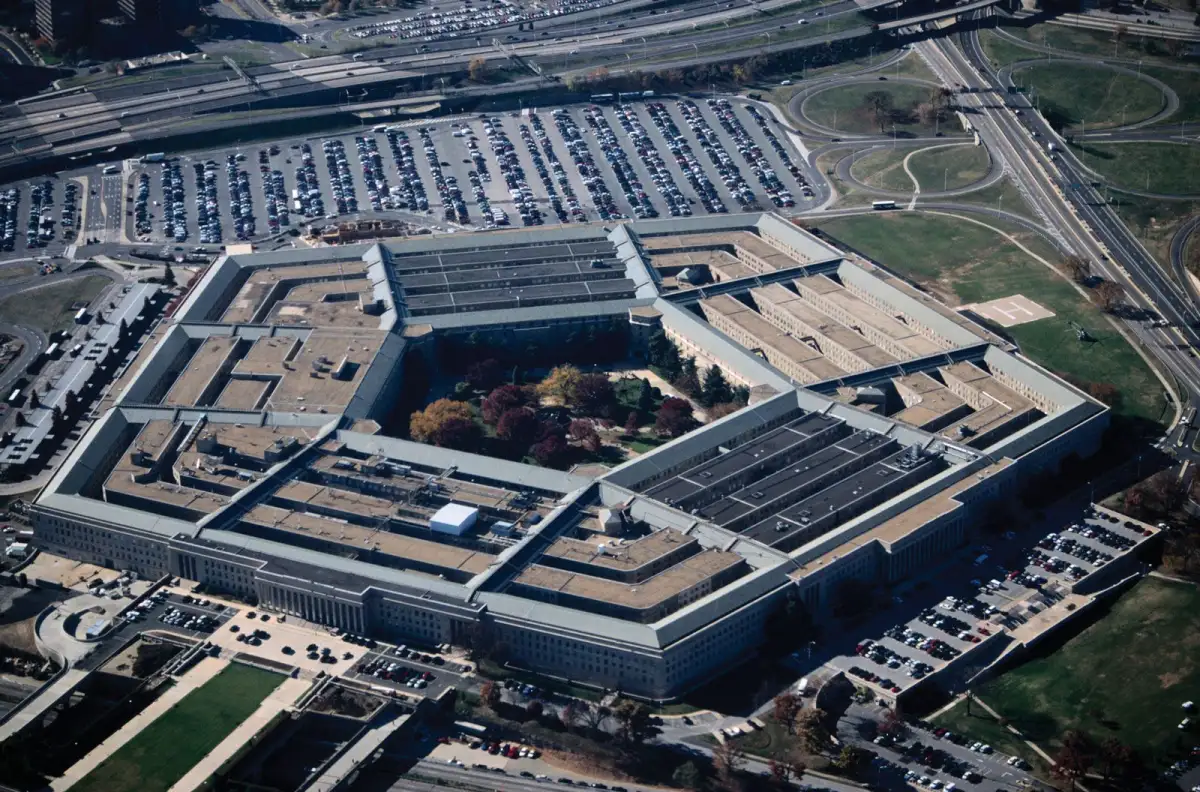
The United States Department of Defense has finalized agreements with seven leading artificial intelligence companies to deploy their advanced systems on the Pentagon's classified computer networks. These accords permit the use of AI models on networks handling secret data (Impact Level 6) and highly classified systems (Impact Level 7). Notably absent from these agreements is Anthropic, a company reportedly deemed a national security risk by defense officials due to disputes over operational control and "guardrails" for military AI use.
The Defense Department's move signals a significant integration of cutting-edge AI capabilities into its secure operational environments, aiming to bolster decision-making and maintain a strategic advantage.
The list of companies entering these agreements includes major players such as Amazon, Google, Microsoft, OpenAI, SpaceX (via xAI), Nvidia, and Oracle. Some of these firms already had existing contracts with the Pentagon, while others are in the process of finalizing operational details. The specific financial terms of these deals have not been disclosed.
Read More: Chrome mimeHandler API lets extensions handle file types
Exclusions and Disputes
Anthropic's exclusion stems from ongoing disagreements regarding the Pentagon's ability to exercise complete control over its AI tools, a stance defense officials viewed as a private company potentially holding veto power over national security operations. Defense Department Chief Technology Officer Emil Michael reiterated this position, labeling Anthropic a "supply-chain risk." This dispute has complicated efforts to integrate Anthropic's AI, including its cybersecurity-focused model "Mythos," which reportedly raised concerns among government officials and financiers due to its potential to identify software vulnerabilities.
Accelerated Integration and Industry Response
Sources suggest that in the wake of the issues with Anthropic, the military has expedited the process for incorporating newer AI entrants onto secret and top-secret data levels, reducing deployment timelines to under three months. This rapid integration highlights the Pentagon's drive to access and leverage advanced AI for various applications, including intelligence analysis, satellite imagery processing, drone data interpretation, signals intelligence, battlefield updates, logistics management, and classified planning documents.
Read More: Acting DNI Pulte Fires Dozens of Intelligence Officials Starting Thursday
Background and Industry Landscape
The inclusion of companies like Google and Nvidia marks a continuation or expansion of their existing work with the Pentagon. Google's deal, in particular, has reportedly faced internal pushback from employees concerned about the ethical implications of using company AI for classified military operations, especially concerning potential use in autonomous warfare.
The broader landscape sees many leading AI models operating as "closed" systems, limiting user customization. However, Nvidia's agreement specifically covers its "Nemotron" open-source models, which support AI agents capable of independent task execution. The Defense Department's push to broaden its AI provider base underscores a broader trend of Silicon Valley increasingly supporting the Department of Defense after periods of reported reluctance. Some reports initially cited six companies, later updated to seven, with Oracle being added to the list, suggesting an evolving and dynamic series of agreements.
Read More: BEREC Asks for Mobile Network API Ideas from Developers