Formula 1's Miami Grand Prix start time has been significantly altered, shifted three hours earlier to 1 p.m. local time (6 p.m. UK time). This adjustment, finalized after qualifying discussions, aims to preempt anticipated severe thunderstorms and lightning in the Florida area. The decision was made by Formula 1 and the governing FIA, in collaboration with the Miami promoter.
==The core rationale for the rescheduling is to maximize the opportunity to complete the 57-lap race under the most favorable conditions possible, while crucially prioritizing the safety of all involved – drivers, fans, teams, and staff.* The move acknowledges the potential for disruptive weather, including heavy rain and lightning, which could lead to race stoppages or suspensions. This represents a departure from the original 4 p.m. ET start, with organizers expressing hope to run the event before the brunt of the storms arrive.
Read More: Christian Horner to Attend 2026 British Grand Prix
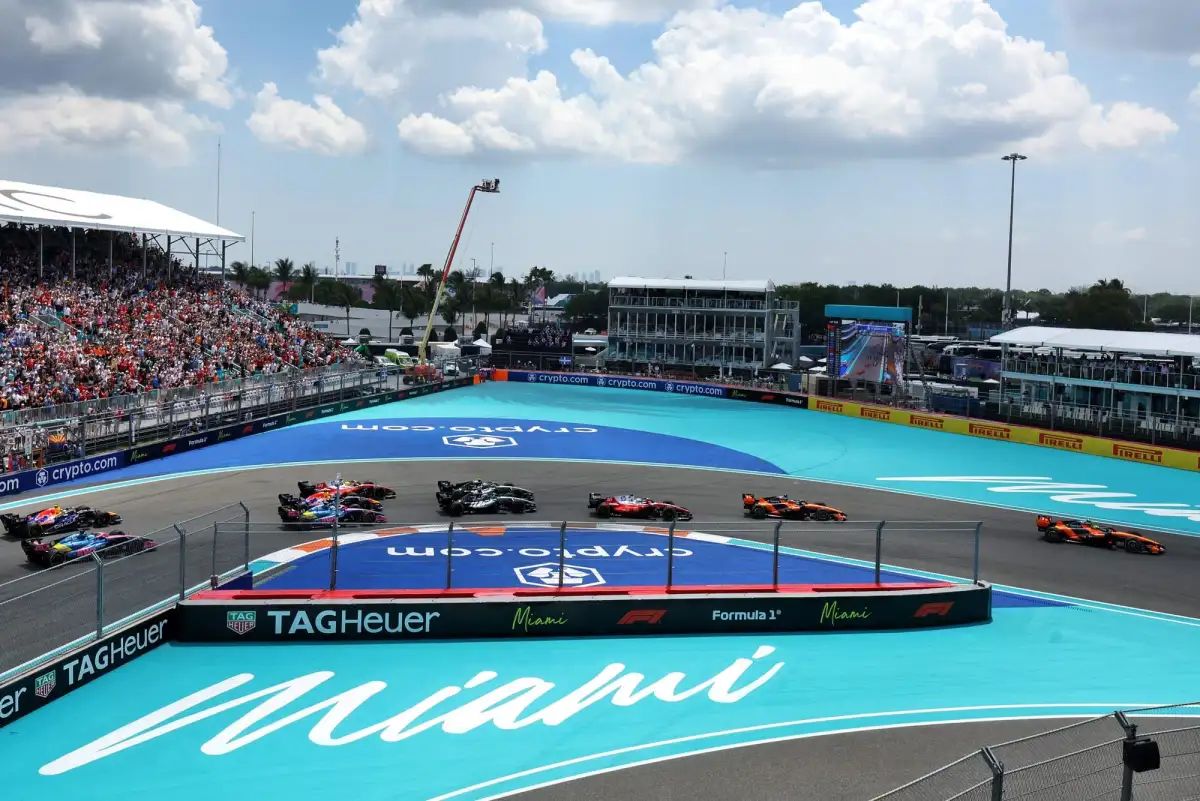
A NEW CHALLENGE FOR UNTESTED CARS
This rescheduling means Sunday's race is likely to be the first time Formula 1's newly introduced cars are tested in wet conditions. Such scenarios often lead to unpredictable outcomes, with a higher propensity for crashes and race interruptions. The performance characteristics of these cars in the wet remain largely unknown, adding a layer of uncertainty for teams and drivers.
The revised schedule also impacts the support races, with the Formula 2 feature race now set to begin at 9:25 a.m. local time.
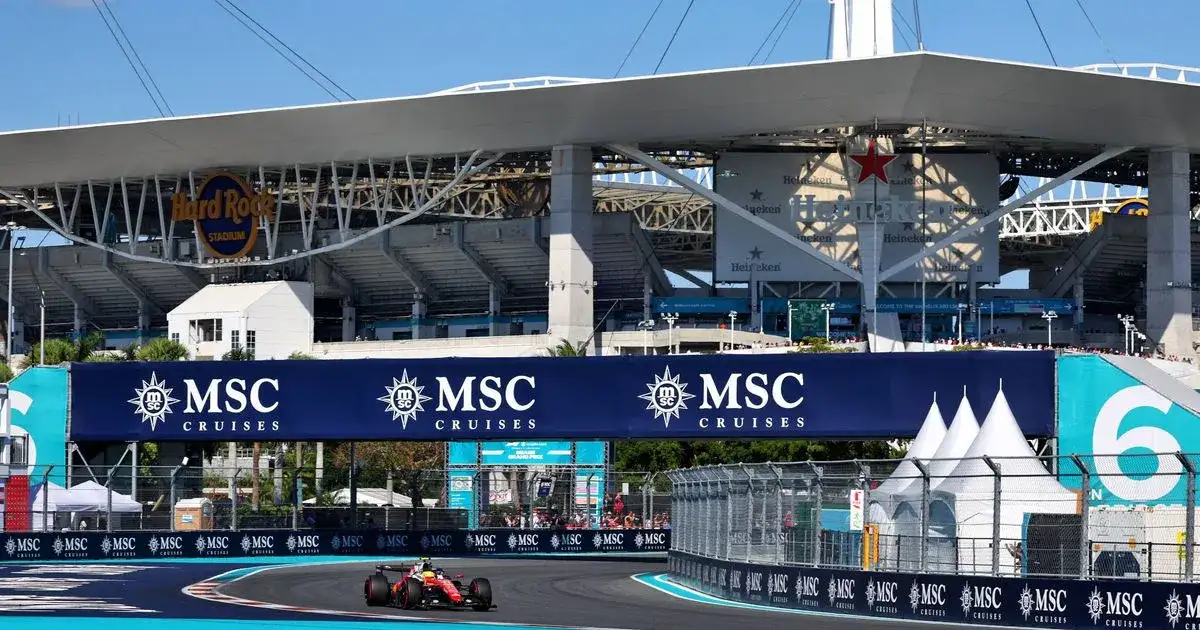
TIMING AND CONTINGENCIES
The original race schedule, with a 4 p.m. local start, raised concerns about sunset approaching around 8 p.m. and the increasing likelihood of weather interference. United States regulations mandate the suspension of track activities if lightning is detected within a specified radius of the circuit, requiring personnel to seek shelter until conditions are deemed safe.
Read More: Miami Dolphins Move James Ester to Offense Today, Changing Team Plan
Stakeholders engaged in meetings following Saturday's qualifying session to assess the evolving weather forecast. While earlier predictions suggested storms would arrive post-race, revised projections indicated an earlier onset, necessitating a proactive schedule change. The final decision was deliberately delayed as long as possible to leverage the most precise forecast data available.
BACKGROUND CONSIDERATIONS
The unpredictability of Florida's weather has been a consistent challenge for race planning. The potential for significant disruption has been a topic of discussion throughout the race weekend. Teams have reportedly signaled a willingness to adjust the start time to mitigate the risk of the race being compromised or unable to proceed as planned. This situation highlights the tension between sporting aspirations and the unavoidable realities of meteorological forces.