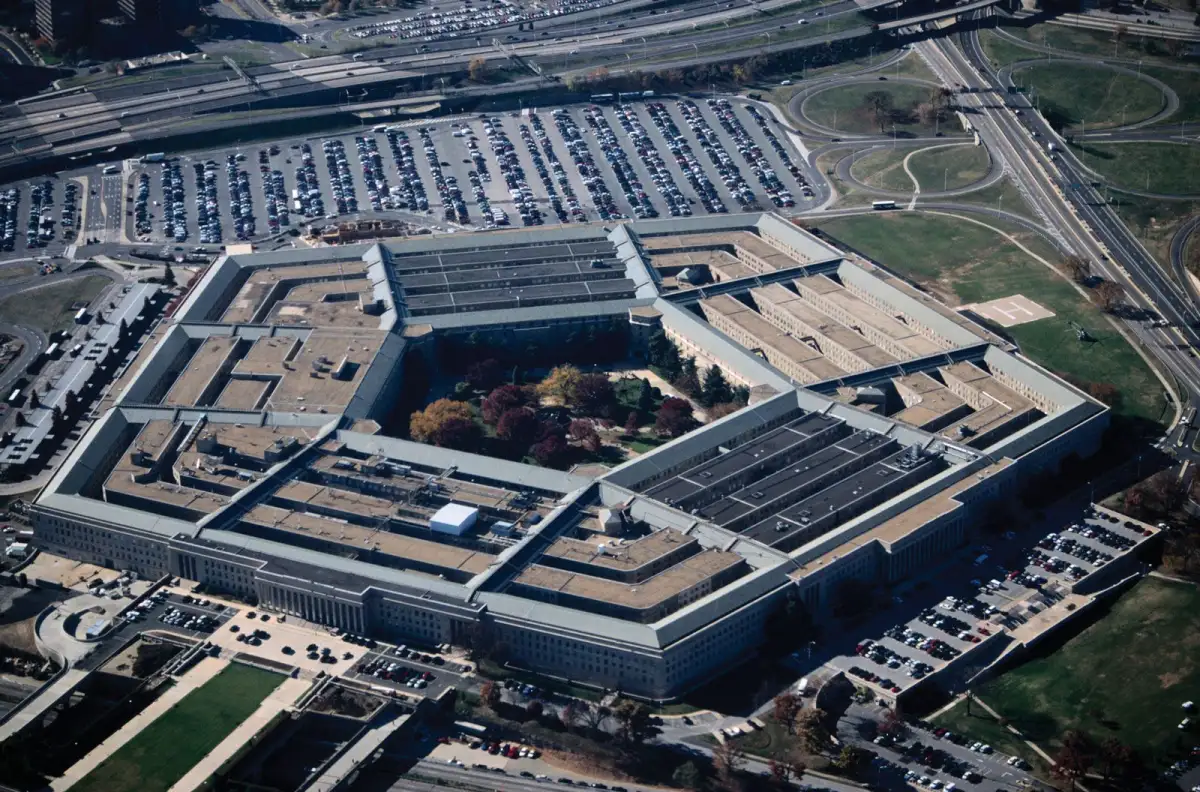
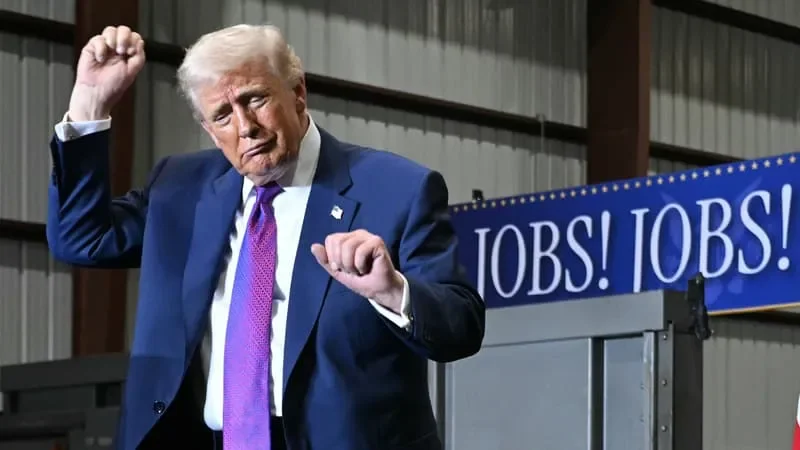
A contentious surveillance authority, known as Section 702 of the Foreign Intelligence Surveillance Act (FISA), has been granted a temporary extension of 10 days. This move comes after protracted negotiations in Congress failed to secure a longer-term reauthorization before its imminent expiration. The legislation, signed into law by President Trump, will now permit the program to operate until April 30, providing lawmakers a narrow window to iron out fundamental disagreements.
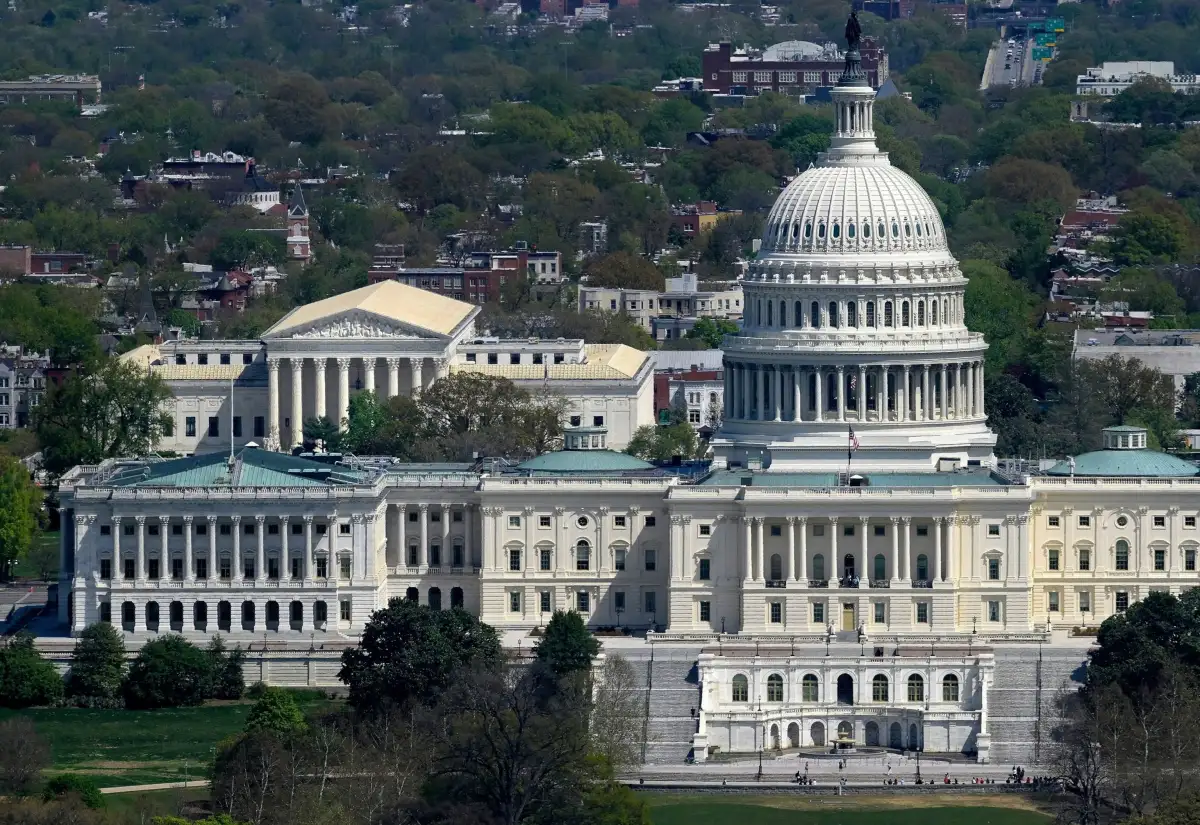
A FRACTURED CONSENSUS
The short-term patch was necessitated by significant divisions within the Republican party, with a bloc of roughly 20 GOP representatives maintaining opposition to a clean extension. These lawmakers are demanding reforms, particularly a requirement for warrants before U.S. persons' communications, incidentally collected under the program, can be searched. This internal GOP struggle ultimately derailed efforts to pass a five-year or even an 18-month renewal, the latter being the duration sought by the Trump administration.
Read More: Acting DNI Pulte Fires Dozens of Intelligence Officials Starting Thursday
DEBATE OVER THE PROGRAM
Section 702 empowers U.S. intelligence agencies to compel communications providers to furnish messages from foreign targets located outside the United States. However, the program's architecture inherently risks incidentally sweeping up data belonging to Americans who communicate with these foreign entities. Privacy advocates and a segment of lawmakers argue that this incidental collection necessitates a warrant for subsequent searches of U.S. person data, a move vehemently resisted by intelligence officials who deem the program essential for national security.

The extension's path through Congress was fraught with delays and last-minute maneuvering.
House leaders initially failed to secure a longer-term deal, leading to the current stopgap measure.
The Senate, after some deliberation, ultimately agreed to the brief extension via unanimous consent.
ADMINISTRATIVE PRESSURE MEETS CONGRESSIONAL STALEMATE
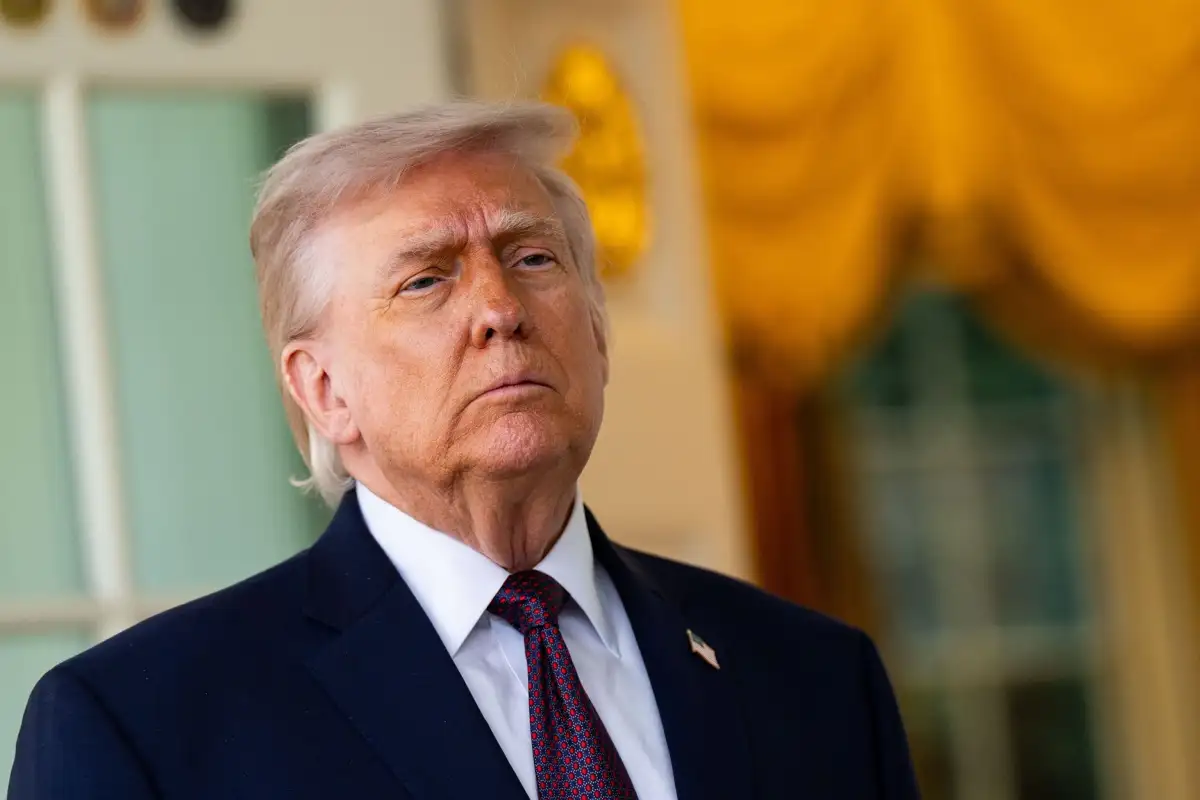
President Trump had actively lobbied for a long-term, "clean" extension of FISA's Section 702. He utilized public statements, including posts on social media platform Truth Social, and engaged directly with lawmakers. CIA Director John Ratcliffe also held briefings for congressional Republicans in an effort to sway their votes. Despite this administrative pressure, the internal congressional opposition, driven by concerns over civil liberties and privacy, proved insurmountable for a more extended renewal.
Read More: New York City Mamdani Administration Fights for 9/11 Records
BACKGROUND
For nearly two decades, the reauthorization of FISA's Section 702 has been a recurring flashpoint on Capitol Hill. Lawmakers from both sides of the aisle have engaged in protracted debates, attempting to balance national security imperatives with the protection of individual privacy rights. The core of the dispute consistently revolves around how to safeguard American communications data collected through this foreign intelligence gathering tool.