Serious concerns regarding the state of welfare hostels, particularly those serving Scheduled Caste (SC) and Scheduled Tribe (ST) students, have surfaced across several regions, prompting calls for immediate action and infrastructure overhauls. Reports detail a recurring pattern of inadequate facilities, including poor sanitation, insufficient food, and safety lapses, impacting students in Andhra Pradesh and Tamil Nadu.
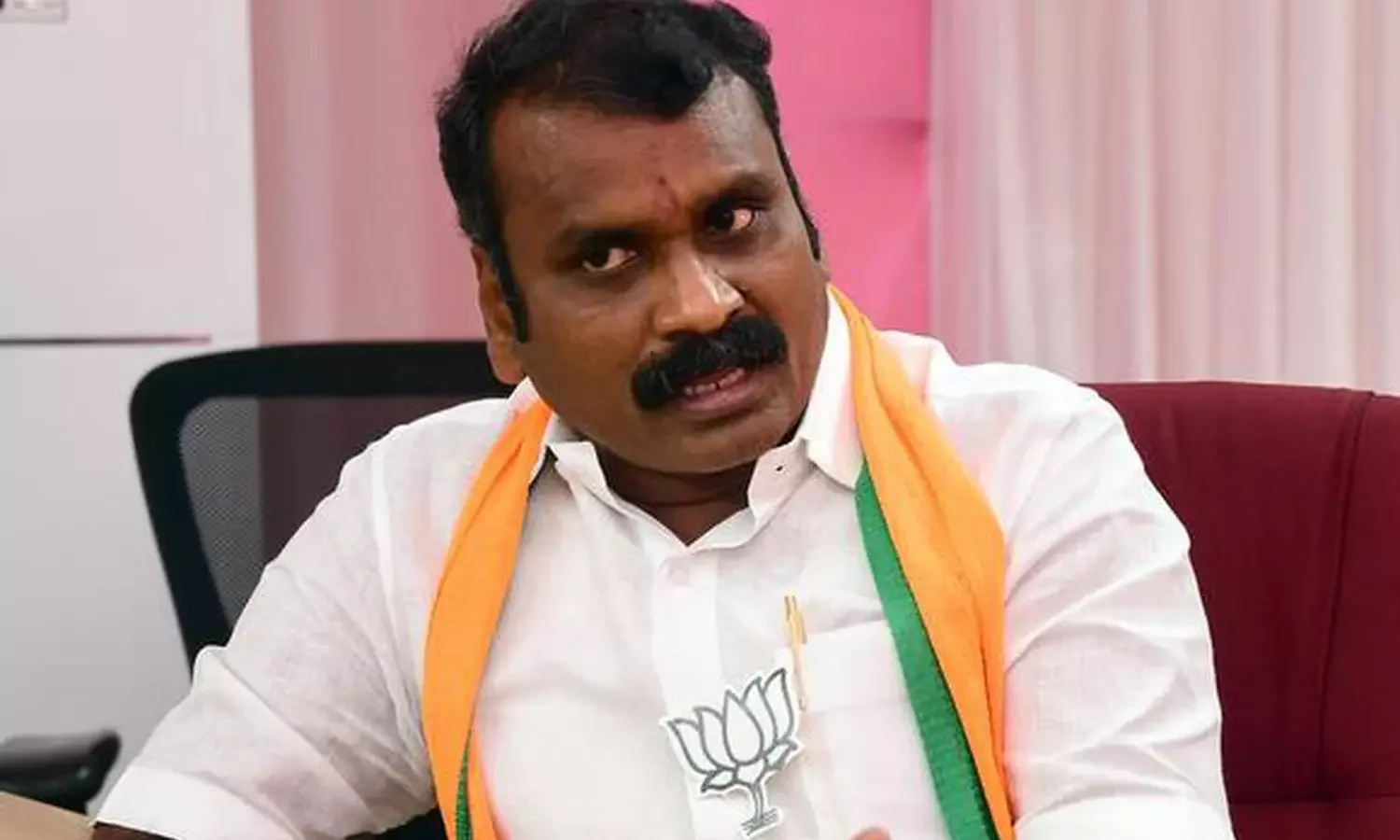
Parvatipuram-Manyam District Battles Deficiencies
In Parvatipuram-Manyam district, Ravada Seetharam, a member of the Andhra Pradesh State Commission for Scheduled Castes, has voiced strong demands for improved conditions in social welfare hostels. During an International Women's Day event on March 8, 2026, Seetharam urged officials and wardens to prioritize 'nutritious food' and 'hygienic environments'. He highlighted that despite government efforts to provide higher education opportunities through hostels in remote areas, the fundamental amenities remain a point of contention.

Separately, APCC president Y S Sharmila has called for a comprehensive 'two-year overhaul' of all welfare hostels in Andhra Pradesh. This demand was directly linked to the tragic deaths of two Kurupam Girls Gurukul students and a widespread jaundice infection affecting 86 others. Sharmila noted the severe overcrowding in some facilities, citing a specific instance where '611 girl students… are forced to use just 35 toilets'.
Read More: Google Learn About AI Tool Released April 2026 For Simple Learning
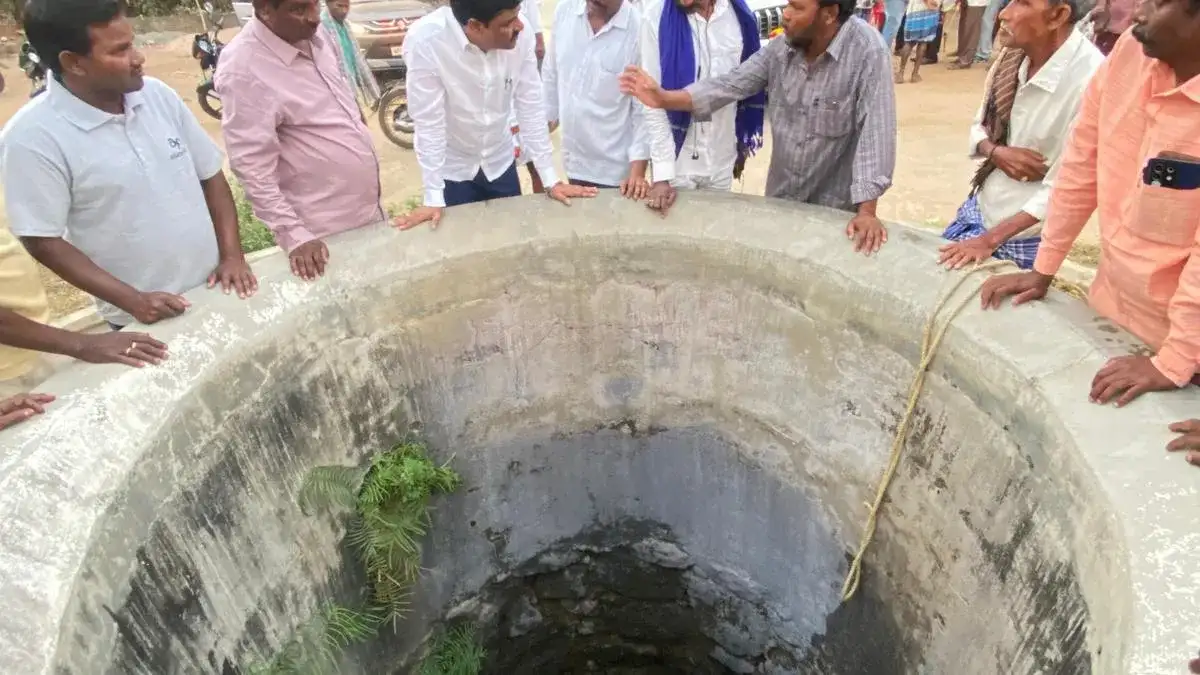
The need for enhanced security has also been underscored, with Social Welfare Minister Dr Dola Sri Bala Veeranjaneya Swamy announcing the imminent installation of 'CCTV cameras in all SC hostels across Andhra Pradesh'. He also emphasized the crucial role of 'hostel welfare officers as custodians and guides for students', stressing the importance of 'clean premises, nutritious food, and health care'.
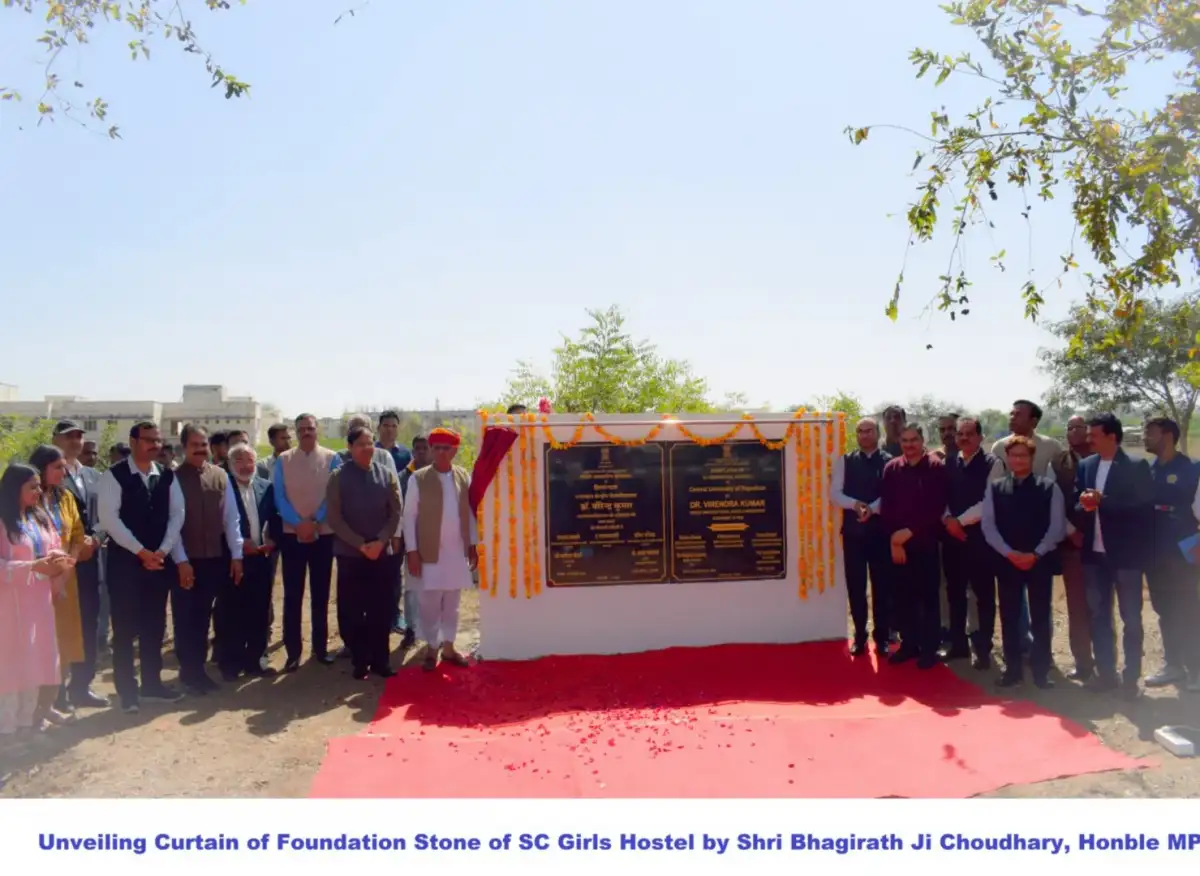
Tamil Nadu's Hostel Woes Echo Similar Themes
Concerns extend to Tamil Nadu, where L Murugan has characterized SC and ST student hostels as being of 'poor quality'. His statements, made around July 7, 2025, also touched upon broader issues of discrimination and safety, noting that in 'many villages… there is still untouchability'.
Read More: 700,000+ Children Lose Food Aid After Budget Cuts
The AIADMK has similarly pushed the Tamil Nadu government to establish a panel to address issues within Tribal Welfare Department hostels. Their concerns, raised in September 2024, included reports of 'unauthorised entry of outsiders during night hours' and a 'shortage of food'. The DMK-led government, however, maintains substantial investment in improving amenities in SC/ST habitations.
Underlying Issues and Government Responses
The recurring reports point to a systemic struggle to maintain adequate living conditions for vulnerable student populations. While governments express commitment through policy announcements and financial allocations, the ground reality in many hostels appears to fall short.
Calls for Improvement: Officials and political figures consistently demand better food, sanitation, and safety.
Infrastructure Deficiencies: Overcrowding and lack of basic facilities like sufficient toilets are highlighted.
Security Concerns: Unauthorized access and potential dangers have been reported.
Government Investments: States like Tamil Nadu cite significant budget allocations for tribal and SC welfare, suggesting a discrepancy between stated funding and implemented outcomes.
The Andhra Pradesh State Commission for Scheduled Castes member Ravada Seetharam also directed officials on March 6, 2026, to ensure 'basic civic amenities such as drinking water, internal roads and drainage systems' in SC colonies, indicating that problems extend beyond just hostels to the broader community infrastructure.
Read More: OCDSB approves $3.5M budget deficit on April 7 2026 under oversight