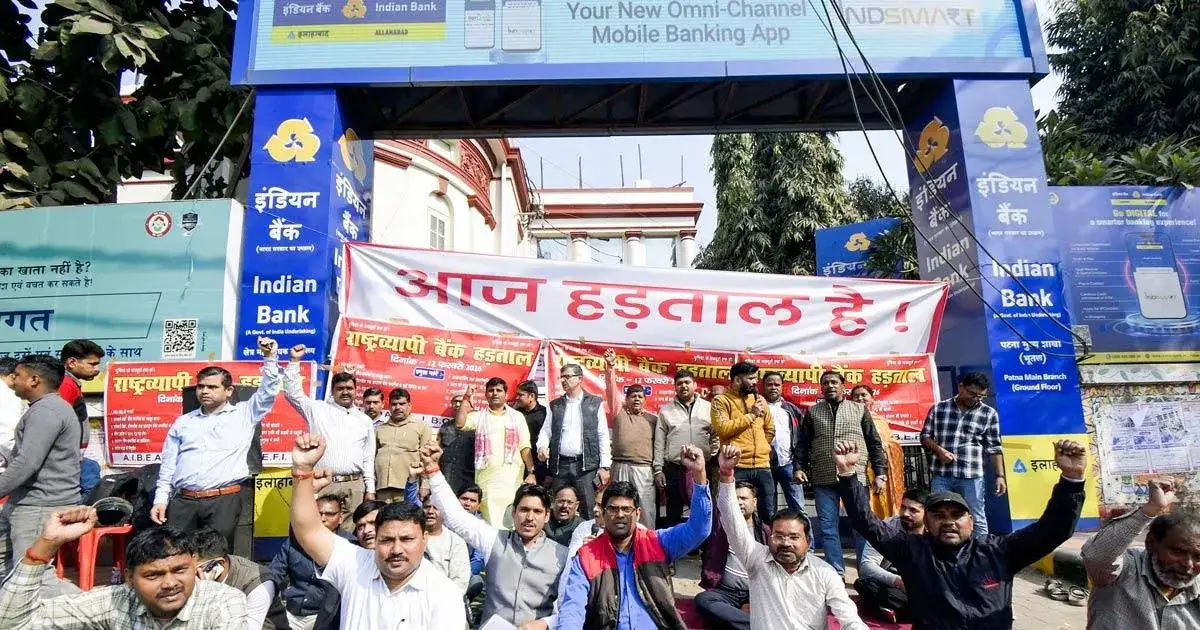
The hallowed halls of India's Parliament, meant to be the crucible of democratic debate, are increasingly becoming a stage for political theatre, leaving citizens wondering if their concerns are lost in the cacophony. As the Budget Session of 2026 grinds on, repeated adjournments and heated exchanges have marred proceedings, raising serious questions about the efficacy of our legislative process and the true cost of this political deadlock.
"19 hours wasted," declared Lok Sabha Speaker Om Birla, a stark admission of the dysfunction plaguing the nation's highest law-making body. This isn't an isolated incident; it's a recurring theme. The Budget Session, a critical time for discussing the nation's financial roadmap and addressing pressing issues, has been repeatedly disrupted by protests and counter-protests, turning valuable legislative time into a casualty of partisan politics. But who bears the ultimate cost of this wasted time, and what does it signal about the health of our democracy?
The Grandstanding Games: A Timeline of Disruption
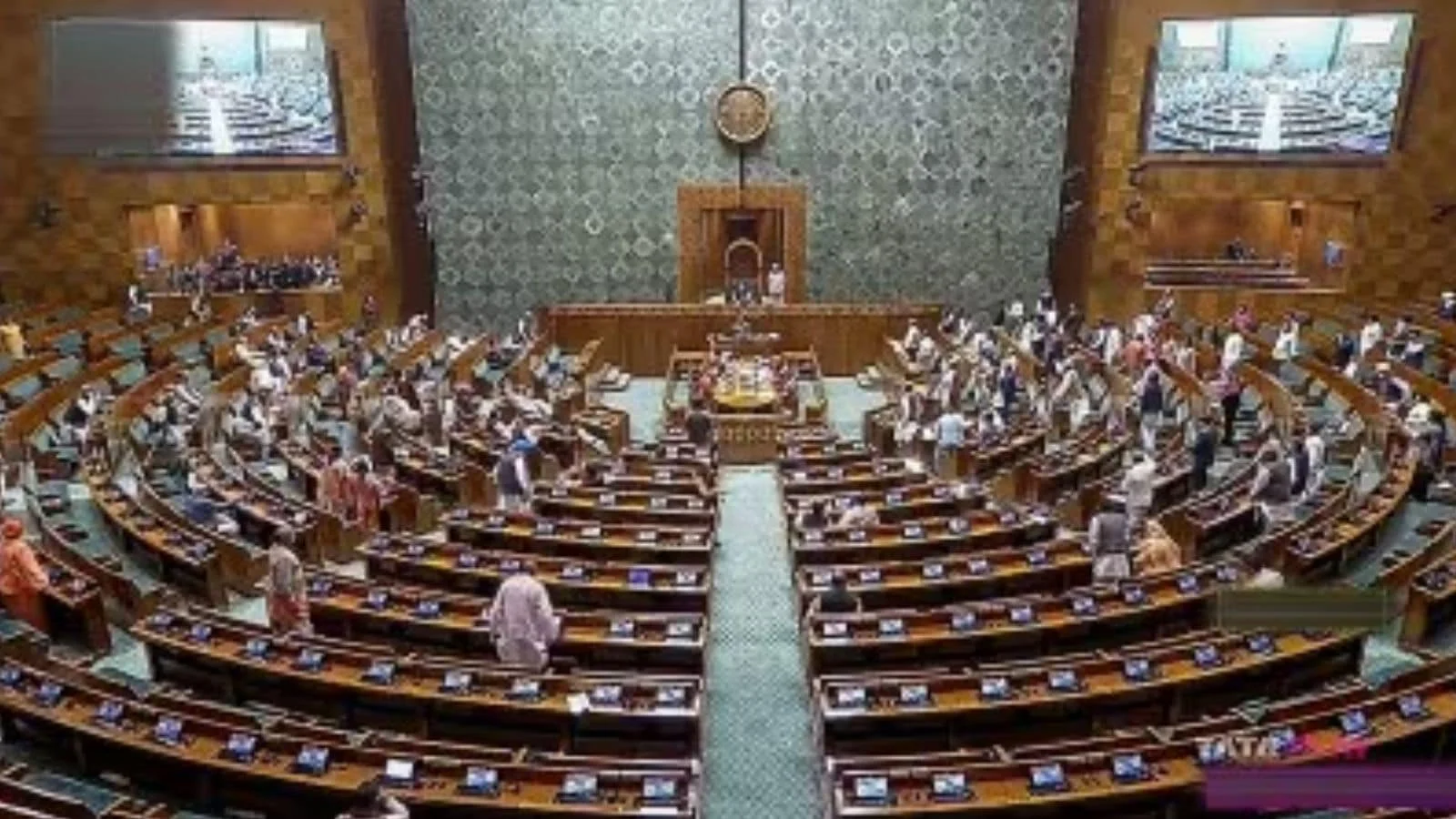
The 2026 Budget Session, which commenced with the President's Address, has been characterized by a series of disruptions, particularly in the Lok Sabha. What was supposed to be a period for discussing the Union Budget, the President's Address, and other vital national issues has been punctuated by adjournments, often occurring mere minutes before key events, like Prime Minister Narendra Modi's scheduled speeches.
Read More: Trump Disagrees with Federalist Society, Judge Stops His Courtroom Talk

Early February 2026: The session begins with discussions on the Motion of Thanks to the President's Address.
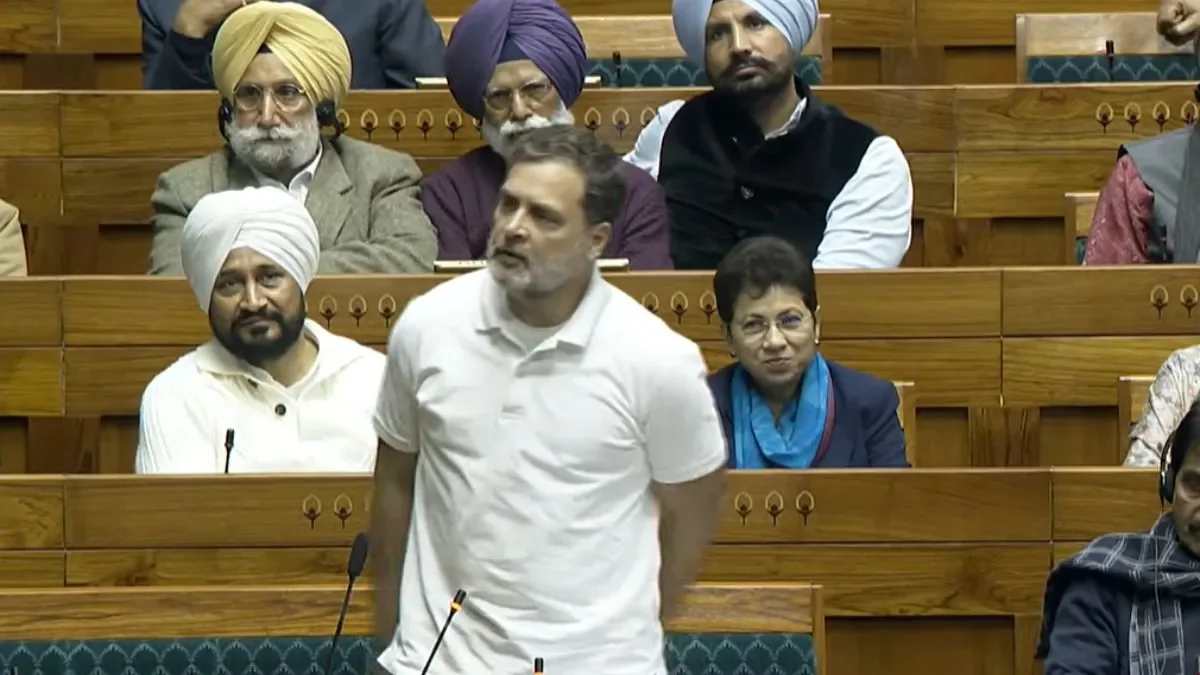
Rahul Gandhi's Controversial References: Leader of Opposition, Rahul Gandhi, attempts to quote from an unpublished memoir of a former army chief, sparking an immediate uproar. Defence Minister Rajnath Singh counters, stating Gandhi is misleading the house and demanding the book be presented. Speaker Om Birla admonishes Gandhi for his reference.
Opposition Protests and Suspensions: Following these disruptions, several opposition MPs, including those from the Congress, are suspended from the Lok Sabha for "creating a ruckus." Reports indicate at least eight Congress MPs faced suspension.
Adjournment Frenzy: The Lok Sabha is adjourned multiple times – till 3 PM, then 12 PM, then 11 AM, and finally for the day. This pattern of brief sittings followed by adjournments becomes a recurring feature.
"19 Hours Wasted": Speaker Om Birla expresses his frustration over the significant amount of lost parliamentary time, highlighting the gravity of the situation.
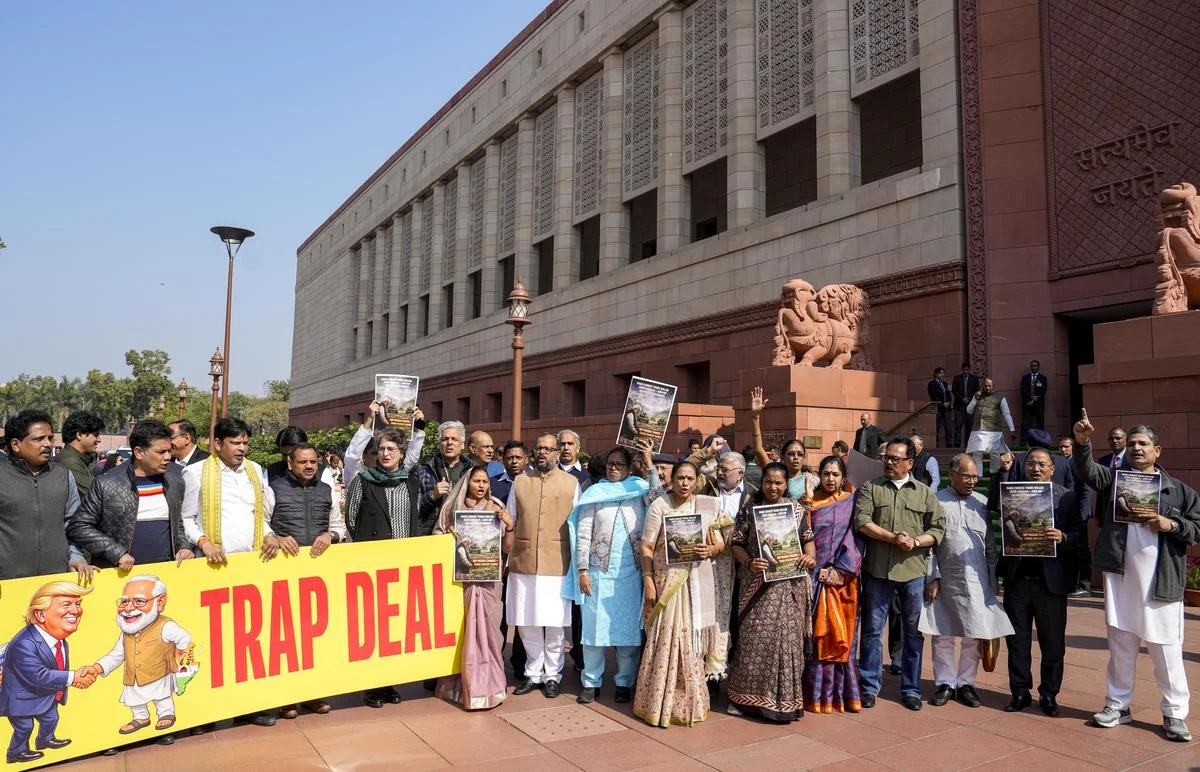
Other Opposition Tactics: Beyond the Gandhi-Ruhul Gandhi memoir incident, Congress MPs also moved adjournment motions on other sensitive topics, including Prime Minister Modi's alleged mention in the Jeffrey Epstein files, and the India-US trade deal, further fueling disruptions.
The Stakes: Beyond Lost Hours
The repeated stalling of parliamentary proceedings isn't just an inconvenience; it has tangible consequences for the country and its citizens.
Read More: Indian Shooter Aishwary Pratap Singh Tomar Wins Gold
| Issue of Concern | Immediate Impact | Broader Ramifications |
|---|---|---|
| Legislative Deadlock | Delay in debate and passage of crucial legislation. | Slows down policy-making, economic reforms, and national development initiatives. |
| Erosion of Public Trust | Citizens perceive Parliament as dysfunctional. | Diminishes faith in democratic institutions and the political process. |
| Wasted Public Resources | MPs' salaries, administrative costs continue. | Funds that could be allocated to public welfare or development projects are spent. |
| Distraction from Core Issues | Focus shifts from economy, welfare, foreign policy. | Urgent national challenges might be neglected in the face of political infighting. |
The current scenario begs the question: Is the political noise drowning out the people's needs? While the ruling party and the opposition engage in a battle of narratives, the underlying issues that require parliamentary attention—economic growth, employment, national security, and social welfare—risk being sidelined.
The Echoes of Past Disruptions: A Familiar Script?
This isn't the first time India's Parliament has been plagued by disruptions. The pattern of opposition parties leveraging procedural tactics to protest government actions, and the government responding with suspensions or by highlighting the opposition's disruptive behaviour, is a familiar one.
Read More: Lawmakers Question Attorney General Bondi on Epstein Files
Previous Budget Sessions: Similar scenes of adjournments due to protests have unfolded in past sessions, often centered around issues like the Rafale deal, farm laws, or allegations against prominent figures.
The "Unpublished Book" Gambit: The controversy around Rahul Gandhi quoting from an unpublished memoir is particularly noteworthy. In the past, discussions on books or reports, even if not officially tabled, have led to parliamentary debates and, at times, disruptions. The defence of what can be spoken about in Parliament versus how it is spoken about, often becomes a contentious point.
Suspensions as a Tool: The suspension of MPs has become a frequent response to persistent disruption. While the Speaker has the authority to maintain order, the sheer number of suspensions raises concerns about whether it's a measure to curb dissent or to weaken the opposition's voice. The recent suspension of eight Congress MPs is a case in point.
The critical question is: Are these disruptions strategic maneuvers to gain political mileage, or genuine expressions of dissent against perceived injustices or unaddressed concerns? And if they are genuine, why does the system seem so ill-equipped to facilitate a constructive resolution?
Read More: India Says US Trade Paper Changes Match What Was Agreed
The Crossfire: Accusations and Deflections
The Budget Session has seen a flurry of accusations and counter-accusations, with key political figures at the center of the storm.
Prime Minister Modi's Barbs: Prime Minister Narendra Modi, speaking in the Rajya Sabha, took digs at the Congress, even referencing historical figures like Indira Gandhi, and accusing the party of betraying farmers. He also spoke about the changing global perception of India and the government's efforts to support citizens, including farmers through schemes like PM-Kisan.
"Congress never cared for them [farmers], but we felt their pain." - PM Modi (via PTI)
Rahul Gandhi's Stance: Leader of the Opposition, Rahul Gandhi, claimed he was "not being allowed to speak" and that the Prime Minister and Home Minister seemed "uncomfortable." His attempts to raise issues like the India-US trade deal and the Epstein files were met with strong reactions from the ruling party.
"I am not being allowed to speak." - Rahul Gandhi (as reported by NDTV)
Government's Defence: Union Ministers, including Rajnath Singh and Kiren Rijiju, countered Rahul Gandhi's points, accusing him of misleading the House and demanding that he present the sources he was quoting from. Home Minister Amit Shah asserted that BJP MPs had not questioned the opposition's character or patriotism in their speeches.
The Epstein Files Controversy: The motion to discuss PM Modi's alleged reference in the Jeffrey Epstein communications, moved by Congress MP Manickam Tagore, added another layer of controversy, pushing for an "urgent discussion on serious international reports."
Read More: Congress Leader Accuses Finance Minister of Lying to Parliament About WTO Deal
The discourse often appears to devolve into personal attacks and historical recriminations rather than substantive policy debate. When will political leaders prioritize national interest over political point-scoring?

The Role of the Speaker: Guardian or Facilitator?
Lok Sabha Speaker Om Birla's lament about "19 hours wasted" underscores the immense pressure on the presiding officer to maintain order in a highly polarized environment. The Speaker's role is pivotal in ensuring that the House functions smoothly, but the effectiveness of this role is tested when faced with a determined opposition or a rigid ruling establishment.
The Speaker's Dilemma: On one hand, the Speaker must uphold the rules and dignity of the House, often necessitating strong action against disruptive members. On the other, the Speaker is expected to be impartial and ensure that all voices, especially those of the opposition, are heard.
"Unpublished Book" Rulings: Speaker Birla's actions regarding Rahul Gandhi's quote from the unpublished memoir—admonishing him and eventually adjourning the House—reflect the difficult tightrope walk. Did the Speaker's intervention escalate the situation, or was it a necessary measure to prevent further breaches of parliamentary decorum?
Balancing Act: The Speaker's ability to broker peace between the treasury and opposition benches, or to enforce discipline without appearing partisan, is crucial. The repeated adjournments suggest that this balance is proving elusive.
Read More: India's January Inflation Rate is 2.75% with New Measuring System
Is the Speaker’s role becoming increasingly untenable in the current political climate, or are there procedural reforms that could empower the Speaker to better navigate these turbulent waters?
What Lies Ahead? Towards a More Productive Parliament
The current state of affairs in Parliament is not sustainable. The constant disruptions not only waste valuable time and resources but also erode the very foundation of our democratic discourse.
Need for Constructive Dialogue: Both the government and the opposition must recognize their shared responsibility in ensuring the smooth functioning of Parliament. A willingness to engage in genuine dialogue, even on contentious issues, is paramount.
Revisiting Parliamentary Rules: Perhaps it's time to critically examine the existing rules of procedure. Are there mechanisms to de-escalate tensions more effectively? Can we incentivize constructive debate over disruptive protest?
Focus on Public Mandate: Ultimately, parliamentarians are elected to serve the people. The time spent in Parliament is a public trust, and any misuse or wastage of this time is a betrayal of that trust.
Read More: Keir Starmer Faces Questions After Top Civil Servant Leaves and Controversial Appointments
The Budget Session of 2026 has laid bare the challenges facing Indian democracy. The question that lingers is whether our elected representatives can rise above partisan politics and recommit to the solemn duty of legislating for the nation's progress, or if the cycle of disruption and recrimination will continue to hold our Parliament hostage. The silence that follows a prolonged adjournment speaks volumes about what is being lost – not just hours, but opportunities to build a better India.
Sources:
News18: https://www.news18.com/india/parliament-budget-session-2026-live-bjp-congress-clash-rahul-gandhi-pm-modi-rajya-sabha-lok-sabha-news-today-liveblog-ws-l-9880246.html
NDTV: https://www.ndtv.com/india-news/parliament-budget-session-2026-live-lok-sabha-opens-today-with-debate-on-droupadi-murmus-address-18-hour-discussion-pm-modi-nirmala-sitharaman-10929064
The Times of India: https://timesofindia.indiatimes.com/india-parliament-budget-session-2026-live-updates-bjp-congress-parliament-lok-sabha-rajya-sabha-president-droupadi-murmu/liveblog/127856145.cms
The Financial Express: https://www.financialexpress.com/business/news/budget-2026-live-updates-fm-nirmala-sitharama-full-union-budget-speech-highlights-from-parliament/4125514/
India TV: https://www.indiatvnews.com/news/india/parliament-budget-session-2026-live-updates-budget-discussion-motion-of-thanks-on-president-address-lok-sabha-rajya-sabha-pm-modi-rahul-gandhi-speech-1028545
The Hindu: https://www.thehindu.com/shorts/watch-19-hours-wasted-says-om-birla-as-lok-sabha-adjourned-again-amid-protests/article70599344.ece
The Indian Express: https://indianexpress.com/article/india/parliament-budget-session-2026-live-updates-rahul-gandhi-general-naravane-book-row-lok-sabha-10510478/
ETV Bharat: https://www.etvbharat.com/en/bharat/live-blog—parliament-budget-session-2026-latest-updates-february-03-lok-sabha-rajya-sabha-nirmala-sitharaman-narendra-modi-amit-shah-om-birla-cp-radhakrishnan-rahul-gandhi-mallikarjun-kharge-epstein-files-mm-naravane-four-stars-of-destiny-enn26020301520
Read More: Nationwide Strike Had Small Effect in Most Places