


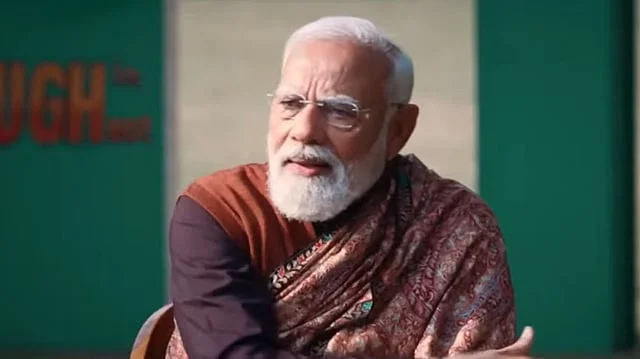
The annual spectacle of Pariksha Pe Charcha (PPC) 2026, featuring Prime Minister Narendra Modi, has once again captured the nation's attention. While presented as a forum to alleviate student exam stress, a deeper dive reveals a carefully orchestrated program with broader ambitions. Is this a genuine effort to support students, or a sophisticated campaign to mold perceptions and propagate a specific vision for the youth? This investigation probes the messaging, the reach, and the underlying implications of this massively publicized event.
The ninth edition of Pariksha Pe Charcha, held on February 6, 2026, aimed to connect Prime Minister Modi with millions of students, parents, and teachers. Billed as an opportunity for open dialogue, the event showcased the Prime Minister offering advice on exam stress, career choices, and the importance of lifelong learning. Submissions for participation were accepted via the MyGov Innovate platform, with the competition window running from December 1, 2025, to January 11, 2026. For the first time, parents and teachers were explicitly included in dedicated online activities, signaling an expansion of the program's scope beyond just student interaction.
Read More: Lawmakers Question Attorney General Bondi on Epstein Files

The Genesis and Evolution of a National Conversation
Pariksha Pe Charcha, which began as a direct interaction between the Prime Minister and schoolchildren, has undeniably grown into a significant national program. The initial aim was to "normalize conversations about stress" and provide a "high-visibility platform to voice anxieties that are often private." (Article 6) The program's expansion to include parents and teachers in 2026 suggests a deliberate strategy to engage the entire ecosystem surrounding a student's academic journey.
Timeline of Key Developments:
Early Editions: Focused primarily on Prime Minister Modi's direct interaction with students, addressing exam-related anxieties.
Gradual Expansion: Introduction of online platforms and a broader outreach, including participation from across the country.
PPC 2026: Inclusion of dedicated activities for parents and teachers, significantly broadening the program's demographic reach.
Digital Integration: Development of modules like "Exam Warriors" to translate immediate inspiration into sustained practices for students, parents, and teachers. (Article 6)
Read More: Schools Watch Student Devices, Raising Privacy Worries
But does this expansion merely reflect a genuine desire to cater to a wider audience, or is it a strategic move to embed specific narratives within homes and classrooms nationwide? What are the criteria for selecting students who get to directly interact with the Prime Minister, and how representative is this group of the diverse student population?

The Prime Minister's Guiding Principles: Beyond the Syllabus
At the heart of PPC 2026 lay Prime Minister Modi's core messages, which transcended rote learning and exam scores. He emphasized concepts like "balance, belief, and building a better future" (Article 2), urging students to pursue a holistic approach to education.
Key Messages from PM Modi:
Lifelong Learning: "Learning does not end at any stage of life." (Article 5) The Prime Minister himself cited his own continuous learning, stating, "Even after becoming the Prime Minister, someone or the other still teaches me how to do my work." (Article 5)
Holistic Development: Encouragement for studies, skills, and hobbies to "grow together," advocating for a balanced life rather than solely focusing on academic performance. (Article 2)
Trusting One's Rhythm: Students were advised to "first understand and trust their own rhythm" while being "open to advice that helps them improve and grow." (Article 2) This extends to prioritizing Class 12 exams over entrance tests where a conflict arises. (Article 7)
Embracing Technology: Notably, for the first time, students were advised that they "can take help from AI" in their learning process. (Article 7)
Read More: Congress Leader Accuses Finance Minister of Lying to Parliament About WTO Deal
While these messages appear encouraging and progressive, one must question the underlying intent. Is the emphasis on "skills" and "professional development" subtly steering young minds towards a workforce model that aligns with national economic goals, potentially at the expense of broader critical thinking or artistic pursuits? And how are these "conversations about stress" being normalized, beyond a single, high-profile event?

The Mechanics of Participation and Influence
The program's stated aim is to offer a platform for students to voice anxieties and seek guidance. However, the structured nature of the competition and selection process raises questions about the true spirit of openness.
Participation Pathways:
| Participant Type | Submission Method | Key Features |
|---|---|---|
| Students | MyGov Innovate platform (Responses & Questions) | Classes 6-12. Submission of responses to activities and questions for the PM (max 500 characters). |
| Parents | Online activities designed exclusively for them. | Broadening engagement beyond direct student interaction. |
| Teachers | Online activities designed exclusively for them. | Over 28 lakh teachers registered for PPC 2026, indicating significant engagement. (Article 7) |
Read More: Education Helps People and Countries Get Richer
The fact that students submit questions and responses in advance begs the question: to what extent is the interaction genuinely spontaneous? Are the selected questions pre-screened, and if so, by whom? How does this selection process ensure that diverse perspectives and concerns are genuinely represented, rather than a curated selection that aligns with the program's narrative? Furthermore, the inclusion of AI as a tool for learning is a significant development. While framed as a modern approach, what are the potential implications of integrating AI into the curriculum and student-teacher interactions as promoted by a government initiative?
Echoes of Past Strategies: A Pattern of Outreach?
Pariksha Pe Charcha is not an isolated initiative. It exists within a broader context of government-led programs that leverage popular platforms and figures to disseminate specific messages. Programs like "Mann Ki Baat," which offer a weekly radio address by the Prime Minister, have also been lauded for their ability to connect with the masses and convey policy narratives in an accessible format.
Read More: Keir Starmer Faces Questions After Top Civil Servant Leaves and Controversial Appointments
The PPC 2026, with its wide telecast on Doordarshan and live streaming on digital platforms including YouTube and social media (Article 4), mirrors the outreach strategies of these earlier initiatives. Schools across the country organized collective viewing sessions, creating a sense of shared experience and reinforcing the program's messages at a grassroots level. (Article 4)
"Mann Ki Baat": A weekly radio address serving as a direct communication channel for the Prime Minister to address citizens on various issues, often including civic duties, national pride, and developmental agendas.
"Exam Warriors": A related module and book, which aims to transform the "short-term inspiration" from PPC into "everyday practices" for students, parents, and teachers. (Article 6)
This recurring pattern of engagement, utilizing national media and educational institutions, suggests a deliberate and consistent approach to shaping public discourse and youth aspirations. While the intent may be to inspire, the scale and centralized nature of these initiatives warrant critical examination regarding the diversity of voices and ideas being promoted. Is there a risk of fostering a monolithic perspective among the youth, under the guise of national unity and progress?
Conclusion: Beyond the Certificate of Participation
Pariksha Pe Charcha 2026 has undeniably succeeded in its objective of reaching millions and engaging them in a conversation about education and stress. The expansion to include parents and teachers marks a significant evolution, attempting to integrate the program's influence into the broader family and school environment. The Prime Minister's messages of balance, continuous learning, and embracing technology, including AI, offer a forward-looking perspective.
Read More: New School Opens in City Center
However, as a critical observer, several questions linger:
What is the actual impact of this "conversation" on student anxiety beyond the event itself?
How is the program ensuring genuine, unfiltered feedback from a diverse student population, rather than a curated selection?
What are the long-term implications of integrating AI into the learning discourse, particularly as promoted by a state-sponsored initiative?
To what extent does PPC 2026 contribute to a broader government narrative on youth development and national aspirations?
The distribution of participation certificates (Article 3, implied by the reference to downloading them) might offer a sense of accomplishment, but the true value of Pariksha Pe Charcha 2026 will lie in its capacity to foster genuine critical thinking and independent decision-making among India's youth, rather than simply encouraging conformity to a prescribed path. The platform, while powerful, carries the responsibility to empower, not just to influence.
Sources:
MyGov.in: https://www.mygov.in/ppc-2026/?target=webview&type=campaign&nid=0
Republic World: https://www.republicworld.com/india/pariksha-pe-charcha-2026-live-updates-pm-modi-to-interact-with-over-4-crore-students-how-where-to-watch-live-news
NDTV Education: https://www.ndtv.com/education/boards/pariksha-pe-charcha-2026-live-updates-pm-modi-interaction-youtube-telecast-live-link-how-to-download-ppc-participation-certificate-10955918
Mathrubhumi English: https://english.mathrubhumi.com/education/news/pariksha-pe-charcha-2026-pm-modi-winyimxq
Free Press Journal: https://www.freepressjournal.in/education/pariksha-pe-charcha-2026-begins-even-today-someone-teaches-me-how-to-work-says-pm-modi-at-ppc-2026
Newkerala.com: https://www.newkerala.com/news/a/pariksha-pe-charcha-returns-wider-reach-familiar-message-118.htm
The Indian Express: https://indianexpress.com/article/education/pariksha-pe-charcha-2026-9th-edition-narendra-modi-begins-tips-strategies-talks-10516598/
The Times of India: https://timesofindia.indiatimes.com/education/pariksha-pe-charcha-2026-live-updates-pm-narendra-modi-interaction-with-students-today-youtube-telecast-how-to-download-ppc-certificatelatest-latest-news/liveblog/127966177.cms
Read More: MDMK Wants More Seats to Get Official Recognition


