The United Kingdom is witnessing a significant legal confrontation over the designation of the activist group Palestine Action as a terrorist organization. This ruling allows the group to continue its legal fight against the ban, raising questions about the scope of counter-terrorism laws and their application to protest movements. The case touches upon fundamental rights, national security, and the definition of terrorism itself, drawing criticism from legal experts and former government officials.
Background
On July 4, 2025, a High Court judge, Mr Justice Chamberlain, refused Palestine Action's request for a temporary halt to its proscription as a terror group. The judge stated that the potential harm from refusing interim relief, should the group's challenge later succeed, was outweighed by the public interest in keeping the ban in place. This decision followed a draft order laid before Parliament to amend the Terrorism Act 2000 to include Palestine Action. The Home Office welcomed the ruling.
However, on October 17, 2025, the Court of Appeal ruled that a legal challenge to the ban could proceed, a significant development that has opened the door for further examination of the government's decision. This later ruling, allowing the legal challenge to continue, indicates that the court found specific points of contention worth exploring in greater detail.
Read More: Ministers Delay Single-Sex Guidance Before May 7 Elections, Critics Say
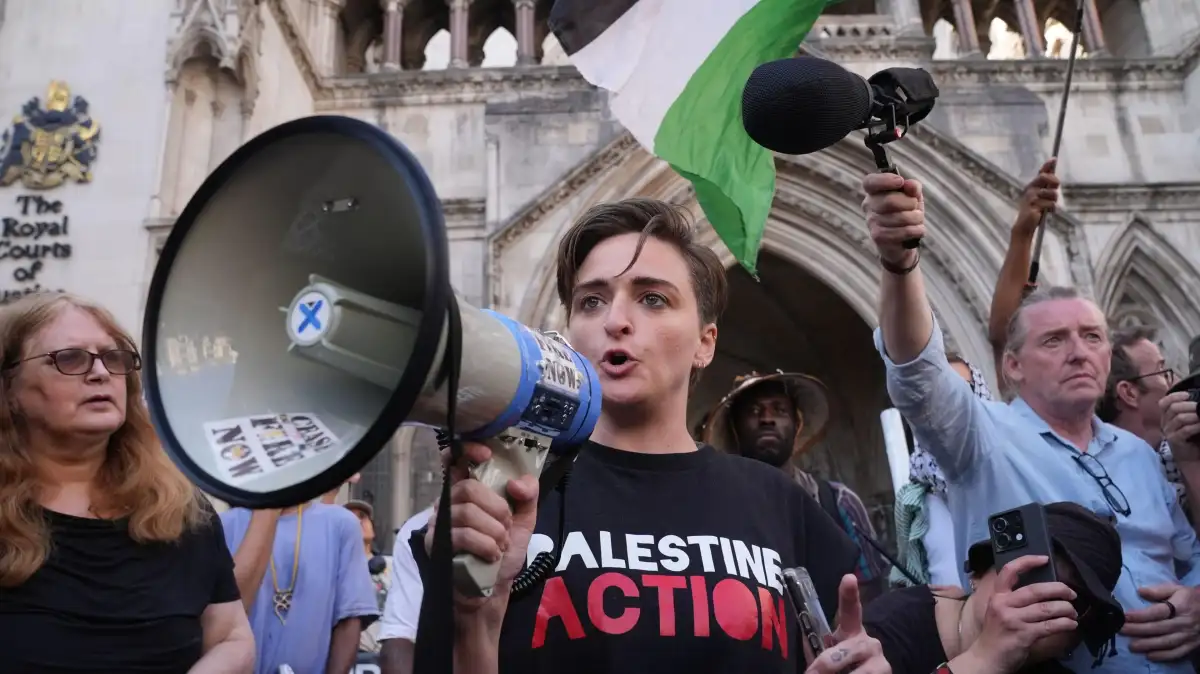
The Ban's Genesis and Enforcement
The ban on Palestine Action was enacted shortly after an incident on June 20, 2025, when activists reportedly breached an air force base in southern England. Protesting the war in Gaza, they sprayed red paint on the engines of two tanker planes and caused damage with crowbars. The government cited estimated damages of £7 million ($9.3 million) to the aircraft. The then-interior minister, Yvette Cooper, initiated the ban.
Since the ban took effect on July 5, 2025, over 2,000 individuals have been arrested for alleged support of the group. Many of these arrests, numbering over 200 charges, involved individuals holding placards that read, "I oppose genocide, I support Palestine Action." Six people have also been charged with organizing support for Palestine Action, accused of arranging meetings to encourage "mass civil disobedience."

Legal Arguments and Criticisms
Lawyers representing the UK government defended the ban, asserting that it was a proportionate measure necessary for public protection and national security. They argued against the group's claim that the criminalization was excessive.
Read More: Man Dies After Setting Fire Outside UN in Protest
Conversely, legal experts, former government ministers, and even an ex-MI6 director have voiced criticism regarding the process used to ban Palestine Action. Concerns have been raised that the definition of terrorism used in this instance may be too broad, potentially ensnaring legitimate protest activities.
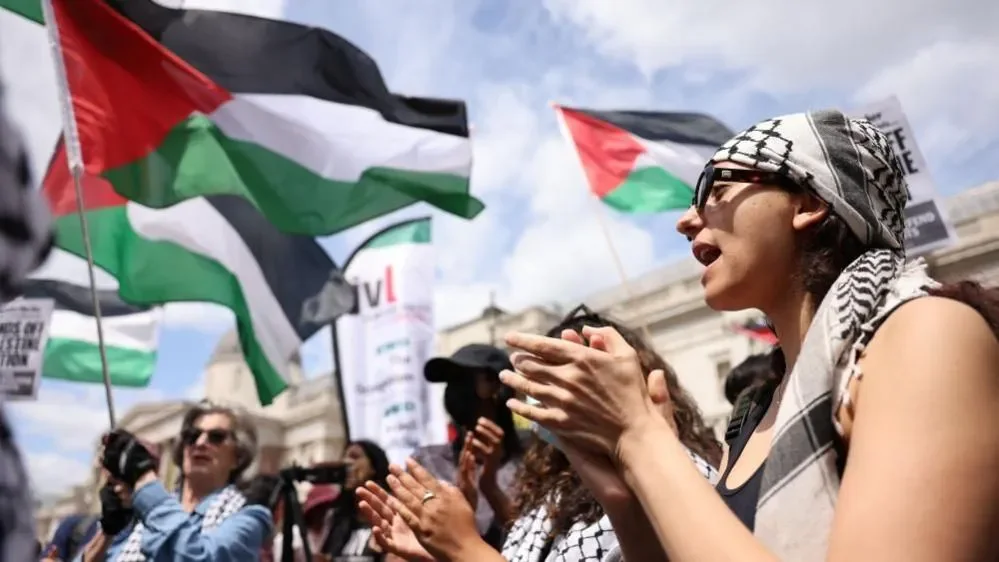
"Terrorism should be defined narrowly as acts intended to coerce, compel, or subvert government or an international governmental organisation, and the threshold for property damage should apply only to conduct causing serious risk to life, national security, or public safety, or involving arson, explosives, or firearms."— A statement attributed to critics of the ban's broad application.
A key point of contention appears to be the explanatory memorandum for the proscription order. Reports suggest it failed to adequately explain that individuals expressing support for Palestine Action, such as by holding placards, could fall foul of the law.
Scope of Counter-Terrorism Laws
The designation of Palestine Action as the first direct action group to be banned under the Terrorism Act has prompted discussions about the widening interpretation of the UK's terrorism laws. Legal commentators have long noted the potential for these laws to encompass direct action protesters, and this case appears to be a significant manifestation of that possibility.
Read More: Russell Brand Death Hoax False, He Faces Sexual Assault Charges in UK

"But the unprecedented application of counter-terrorism law to a direct action group highlights how the UK’s terrorism definition is now much wider than under the previous law."— The Conversation
While the Terrorism Act creates the offense of supporting a proscribed group, it is noted that arrests are not mandatory. The outcome of Palestine Action's legal challenge could have a substantial impact on the ongoing prosecutions and the future application of these laws.
Conclusion
The UK High Court's decision to allow Palestine Action's legal challenge to proceed marks a crucial stage in the ongoing dispute over its proscription. This legal battle underscores tensions between national security measures, the right to protest, and the interpretation of counter-terrorism legislation. The outcome may have far-reaching implications for how protest movements are classified and dealt with under British law. Further court proceedings will be necessary to determine the lawfulness of the ban and its broader impact.
Read More: Manipur Voter List Changes Affect 59,000 Displaced People
Sources Used:
Financial Times: https://www.ft.com/content/0379c1d5-4ed2-4c2d-9851-83aaa8134908 (Provided context on the appeal court ruling allowing the challenge to continue.)
BBC News: https://www.bbc.co.uk/news/articles/c93901n9z0qo (Detailing the initial High Court refusal of a temporary block and the ban's implementation.)
The Guardian: https://amp.theguardian.com/uk-news/2025/nov/10/legal-experts-politicians-criticise-process-ban-palestine-action (Reported on criticisms from legal experts and politicians regarding the ban's process and breadth.)
The Times of Israel: https://www.timesofisrael.com/uk-government-lawyers-defend-palestine-action-terrorism-ban-at-court-challenge/ (Covered the UK government's defense of the ban and highlighted the number of arrests and charges.)
AP News (via AOL): https://apnews.com/article/palestine-action-ban-challenge-britain-court-a1a11d1777387aee730d249ce70fd6cc (Confirmed the High Court's decision to allow two issues in the challenge to be "reasonably arguable.")
The Conversation: https://theconversation.com/palestine-action-arrests-what-happens-next-and-what-it-tells-us-about-the-breadth-of-britains-counter-terrorism-laws-263080 (Provided analysis on the implications of using counter-terrorism law on direct action groups and the widening definition of terrorism.)