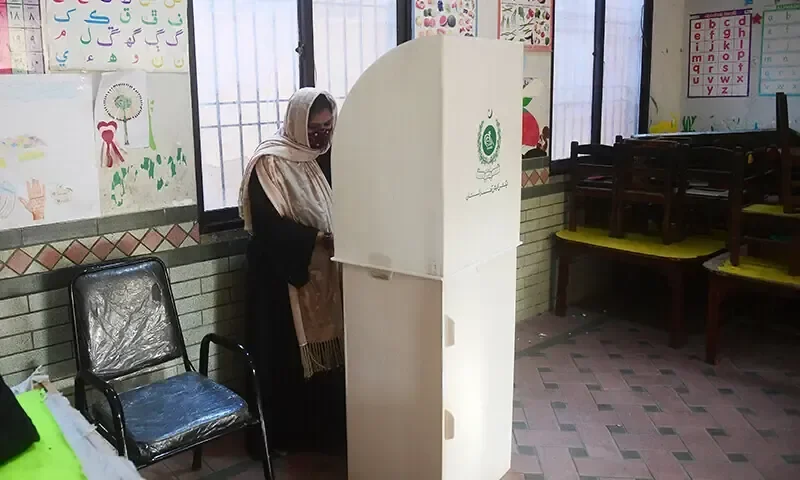
ISLAMABAD: A speculative proposal to elevate Pakistan's minimum voting age from 18 to 25 has sent ripples through the political landscape, sparking immediate condemnation from opposition parties, civil society, and legal experts. The idea, reportedly emerging from discussions surrounding a potential '28th Constitutional Amendment,' suggests a significant shift in democratic participation, potentially sidelining a substantial portion of the electorate. This proposed age increase, if enacted, would disenfranchise approximately 23.7% of the voting population, amounting to some 30 million young individuals.
Core of the Controversy
The initial whispers of raising the voting age to 25 originated from an aide to the Prime Minister, with hints that the move was "under discussion" for the proposed 28th Constitutional Amendment. This proposal's apparent aim was to align the voting age with the minimum age required to contest elections, which currently stands at 25.
Read More: Taiwan Holds Nantou County Drills to Prepare for State Collapse
However, this line of reasoning has been met with fierce opposition. Critics argue that such a move is fundamentally undemocratic, an attempt to stifle youth engagement, and potentially violates international suffrage commitments. Legal experts have pointed out that this could contravene principles of universal adult suffrage, a cornerstone of democratic systems, as enshrined in documents like the Universal Declaration of Human Rights. The Pakistan Tehreek-e-Insaf (PTI) has labelled the proposal a "frantic and undemocratic political manoeuvre."
Official Rebuttals and Lingering Doubts
Amidst the escalating criticism, federal officials have begun to issue denials. Federal Information Minister Attaullah Tarar categorically dismissed the reports on Monday, calling them "baseless rumours" and stating, "No such proposal is under our consideration." He further suggested that an alternative approach could be to lower the age for contesting elections to 18.
Law Minister Azam Nazeer Tarar echoed these sentiments, stating that any constitutional amendment would require broad consensus and that there were "currently no signs of a 28th Amendment." Pakistan Peoples Party (PPP) Chairman Bilawal Bhutto-Zardari has also denied receiving any formal proposal related to such an amendment.
Read More: 40 Die in Quetta to Peshawar Bus Crash in Balochistan on April 3 2026
Despite these official rejections, speculation persists, fueled by earlier remarks from figures like Rana Sanaullah, who indicated the proposal was being considered. Insiders within the ruling coalition have suggested that significant constitutional shifts are indeed being contemplated, even if formal proposals are not yet solidified.
Wider Implications and Background
The debate over raising the voting age touches upon broader conversations in Pakistan concerning political maturity, civic education, and the growing influence of young voters. Pakistan boasts one of the youngest populations in South Asia, making youth participation a critical factor in the nation's future political and economic trajectory.
Read More: FBI Analysts Review Georgia 2020 Election Data in Fulton County
Any significant change to voting rights carries profound consequences for future reform agendas concerning jobs, education, and climate policy. Economic ramifications could also emerge, with delayed voting rights potentially influencing youth migration patterns and strategies for political engagement.
Historically, Pakistan's voting age has been set at 18 since the adoption of its constitution. This current discussion marks the first time in decades that such a fundamental aspect of electoral participation is being publicly debated, albeit amidst considerable contention and official disavowal.