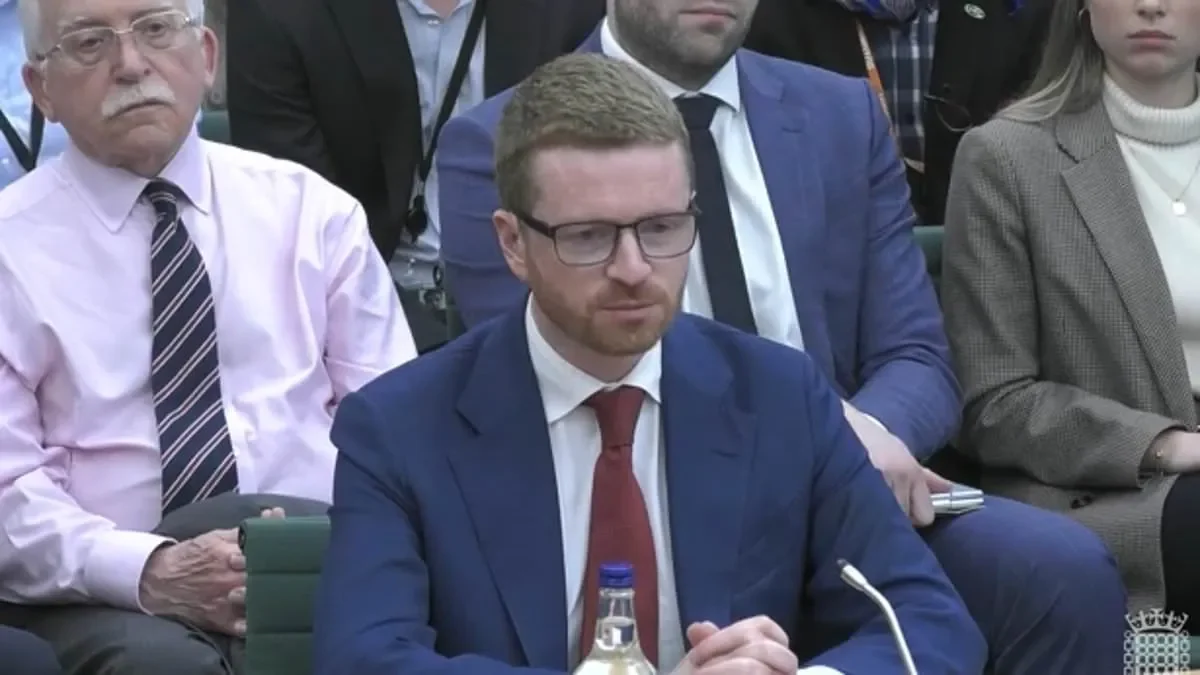
Deputy Prime Minister David Lammy has characterized calls by former Health Secretary Wes Streeting for the United Kingdom to rejoin the European Union as a "sixth form" debating position. Speaking as of 19/05/2026, Lammy warned that such internal policy challenges, coupled with potential leadership ambitions from figures like Andy Burnham, are threatening the stability of the Starmer administration.

Core Conflict: Senior Labour figures are weaponizing the EU membership question to signal leadership viability, effectively fracturing party discipline while the government attempts to maintain mandate legitimacy.
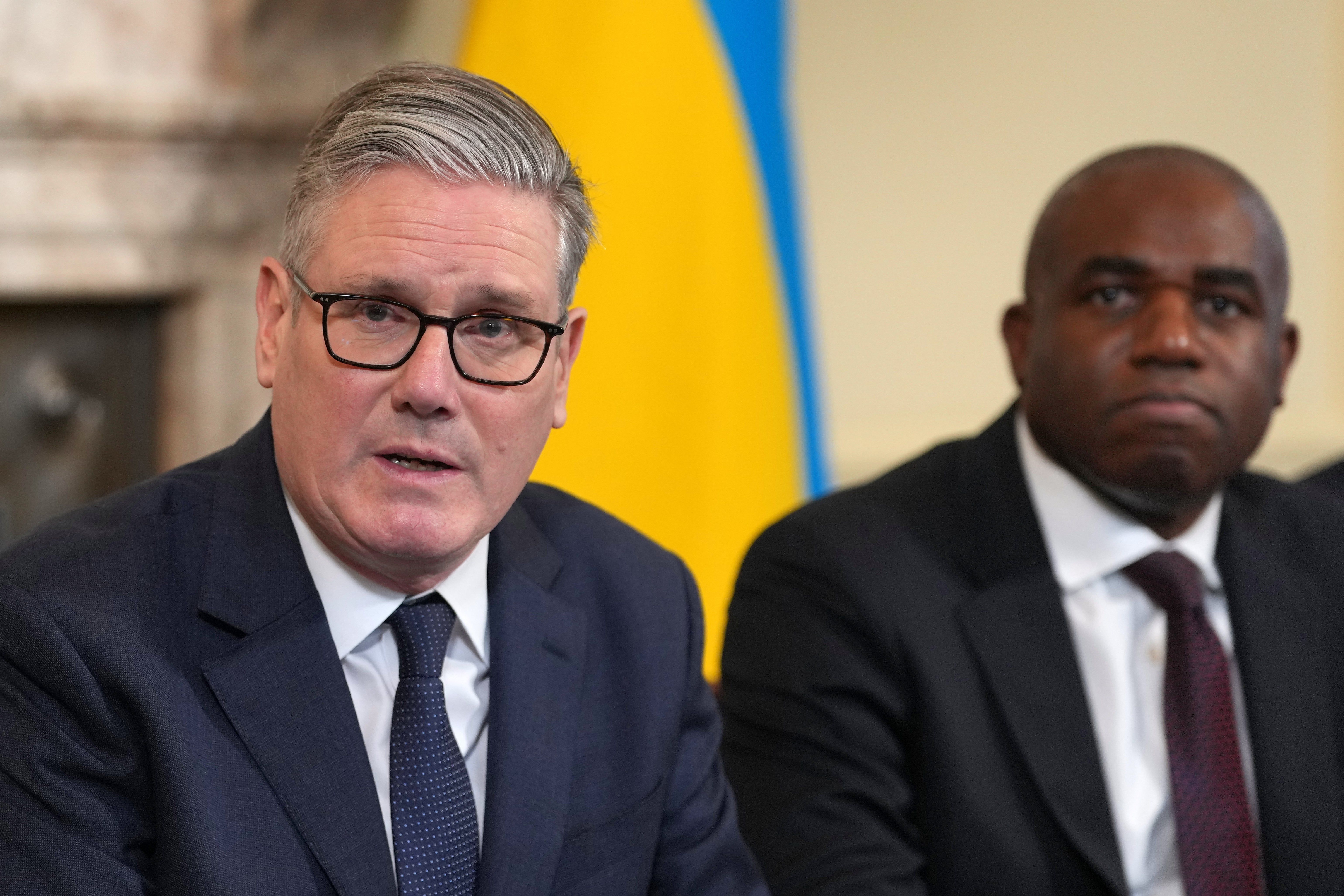
Current Political Realignment
Lammy explicitly described the actions of party dissenters as "lighting a match and standing in the petrol," suggesting these internal maneuverings risk handing political momentum to Nigel Farage.
Wes Streeting, who resigned his ministerial post last week, signaled his intent to contest a leadership position by diverging from the party’s existing manifesto stance on Brexit.
Lammy reaffirmed that Sir Keir Starmer will not provide a departure timetable, demanding "discipline" and "loyalty" from MPs during what he termed a period of "desperate trouble."
Institutional Comparison of Stances
| Figure | Position on EU | Political Status |
|---|---|---|
| David Lammy | Focus on manifesto delivery | Deputy Prime Minister |
| Wes Streeting | Open to rejoining EU | Former Health Sec / Leadership Contender |
| Andy Burnham | Policy challenger | Leadership contender |
Context and Implications
The rhetoric surrounding EU re-entry has shifted significantly since late 2025, when Lammy himself acknowledged that closer ties with Brussels could "boost UK growth." However, today’s Labour administration—faced with electoral difficulties and internal dissent—has moved to suppress these debates, labeling them distractions from the "job" of governance.
Read More: Taiwan Holds Nantou County Drills to Prepare for State Collapse
The instability follows Streeting’s resignation, which Lammy classified as an "extraordinary own goal." While Burnham receives public support from elements within the party, the government is attempting to project a image of resilience. This reflects a broader post-Brexit landscape where the friction between pragmatism (delivering on existing promises) and idealism (rejoining the single market) is becoming a primary vector for leadership disputes.
Investigation Note: The divergence between Lammy’s 2025 assessment of economic growth through European alignment and his current dismissal of the debate as "sixth form" demonstrates the volatility of policy framing under electoral pressure.