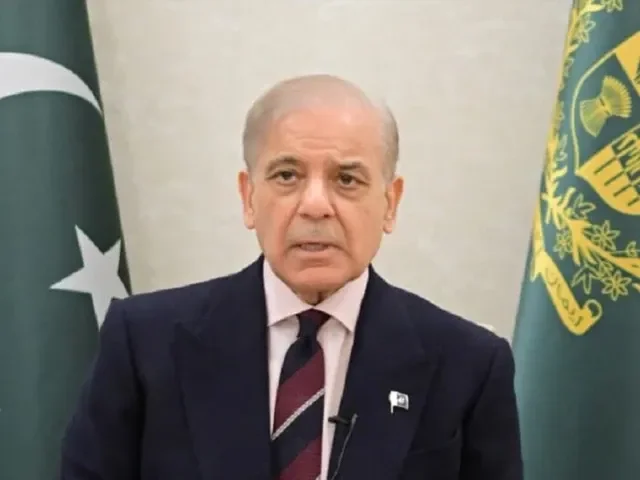
The Pakistan military is reportedly pushing for a substantial increase in the defence budget, a move that has placed the government of Prime Minister Shehbaz Sharif in a precarious position, particularly as the International Monetary Fund (IMF) has raised significant concerns over the nation's fiscal health and rising military expenditures.
While the military’s specific demands are not fully detailed, reports suggest a significant jump is on the cards. This comes at a time when the IMF has flagged 'fiscal risks' and warned that excessive military spending could jeopardize efforts for fiscal consolidation and complicate the broader economic recovery program. The Finance Ministry, caught between these pressures, is reportedly considering a more modest increase of around 5% to 7% for the next fiscal year, a figure that likely falls short of the military's aspirations. The IMF has conveyed strong reservations about increasing defence outlays when Pakistan's economic fundamentals remain weak.
Budgetary Projections and the IMF's Lens
Recent reports, citing the IMF's staff report on Pakistan's Extended Fund Facility and Resilience and Sustainability Facility, indicated that defence expenditure for 2026-27 was projected to reach PKR 2.665 trillion, an uptick from PKR 2.564 trillion in the current fiscal year. This projection, however, is juxtaposed against the IMF's forecast for total federal revenues for 2026-27 to reach PKR 17.144 trillion, representing a more than PKR 2 trillion increase, or 13.5%, from the current fiscal year.
Read More: Strategy Inc now owns 4 percent of all Bitcoin as of May 2026
An IMF staff mission is currently in Pakistan, engaged in finalizing budget proposals ahead of the presentation of the 2026-27 budget. This visit underscores the close scrutiny under which Pakistan's fiscal planning is taking place, particularly concerning the balance between security needs and economic stability. The IMF's emphasis on fiscal prudence is evident, especially with concerns raised about Pakistan's continued reliance on external financing and the need to bolster domestic revenue.
Regional Tensions and Economic Realities
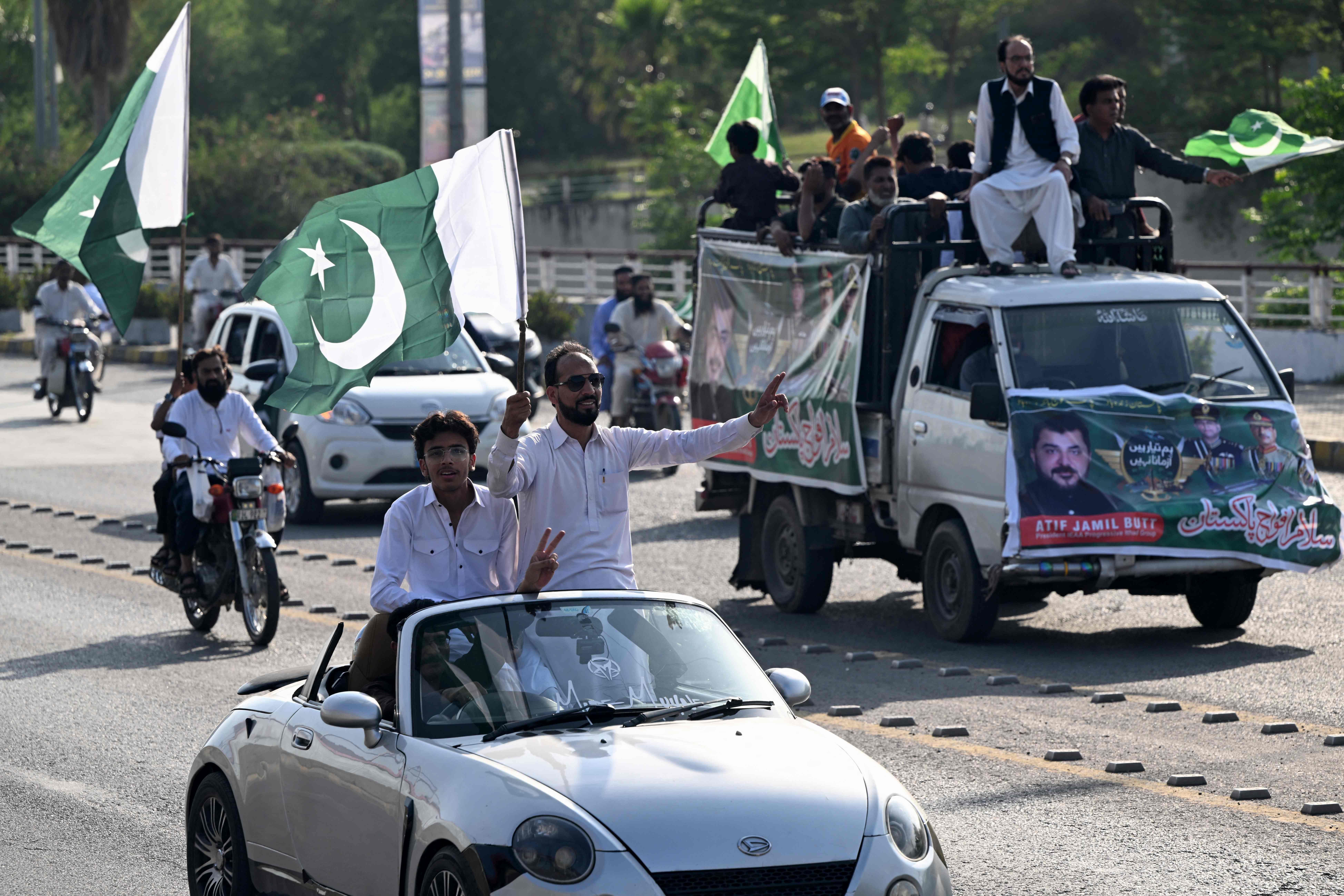
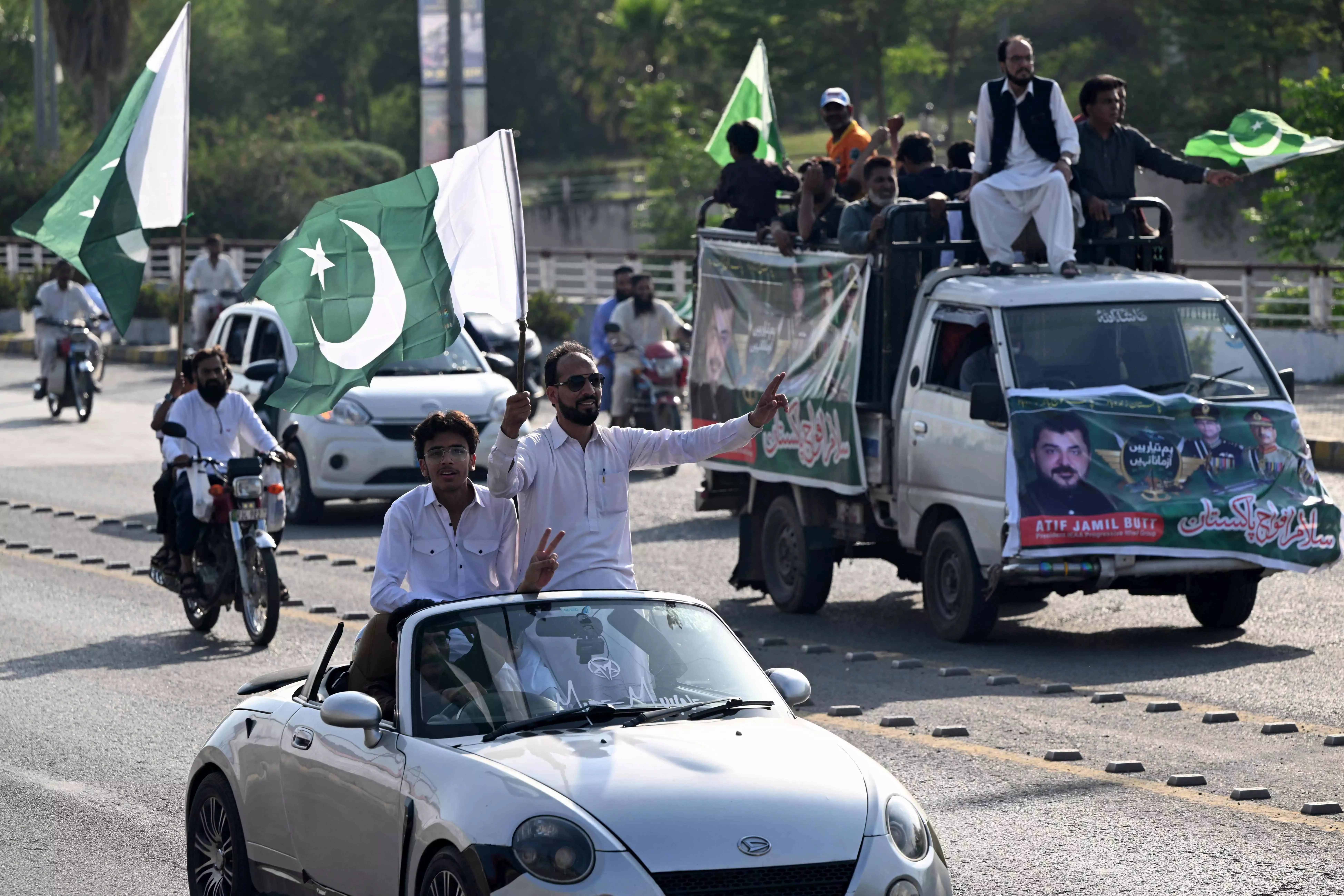
The push for increased defence spending occurs against a backdrop of heightened regional tensions, particularly with India. Reports from mid-2025 suggested a potential 20% increase in defence spending for FY26, linked to these ongoing security concerns. This has led to a discourse questioning whether these budgetary priorities reflect genuine national security imperatives or reinforce the military's pervasive influence.
While the government maintains its commitment to structural reforms and meeting fiscal benchmarks, the tension between military demands and IMF directives creates a complex policy landscape. The economic situation in Pakistan remains fragile, with a significant portion of the population considered economically vulnerable, underscoring the difficult trade-offs inherent in resource allocation. The decision on the defence budget's final shape is expected to reveal much about the government's immediate priorities and its ability to navigate these competing pressures.
Read More: Babar Azam scores 9,060 runs this decade, but Kohli comparisons continue