Local Assembly Marks Significant Milestone
Islamabad - Pakistan's state-owned Aeronautical Complex (PAC) has ramped up production of its indigenously developed JF-17 Thunder fighter jet. This intensified output signals a more aggressive push into the international arms market, aiming to solidify its position as a key defense exporter. The sustained manufacturing surge points to a strategic intent to leverage aerospace capabilities for economic and geopolitical leverage. Recent production figures, though not explicitly detailed, indicate a clear upward trend, supporting the notion of expanded operational capacity.
The JF-17 Thunder, a joint venture with China, represents Pakistan's most advanced combat aircraft. Its development and subsequent production have been a cornerstone of the country's defense modernization program. The aircraft is designed for multi-role capabilities, including air-to-air combat, ground attack, and reconnaissance.
Export Market Focus and Geopolitical Undertones
The accelerated production is intrinsically linked to Pakistan's ambitions to secure new export orders. The country has been actively marketing the JF-17 to a range of nations, particularly in Africa and the Middle East, seeking alternatives to more established Western suppliers.
Read More: Ukraine gets 100 Patriot missiles with $1 billion EU loan for defense
"Our aim is to offer a technologically advanced and cost-effective fighter solution," stated an official from the Ministry of Defence Production, speaking anonymously. "The JF-17 meets these criteria and has demonstrated its combat readiness."
The success of this export strategy is not merely about economic gains; it also carries significant geopolitical implications. By becoming a more prominent defense supplier, Pakistan seeks to enhance its regional influence and forge closer ties with client nations. This diversification of defense partnerships could reshape existing power dynamics in various theaters.
Background: A Decade of Development
The JF-17 program has been in development for over a decade. Initial production began in 2001, with the first aircraft entering service with the Pakistan Air Force in 2007. Since then, the aircraft has undergone several upgrades, including the introduction of the JF-17 Block II and the more advanced JF-17 Block III variants, which boast enhanced avionics and weaponry.
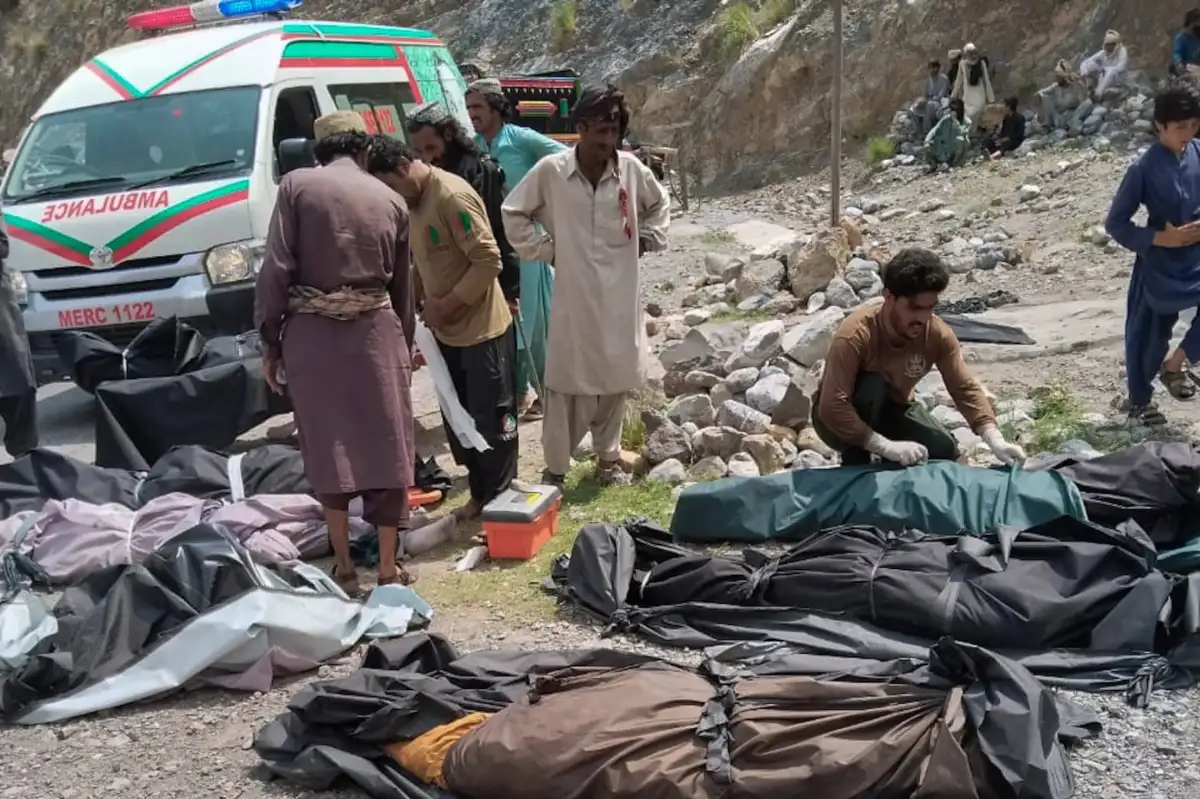
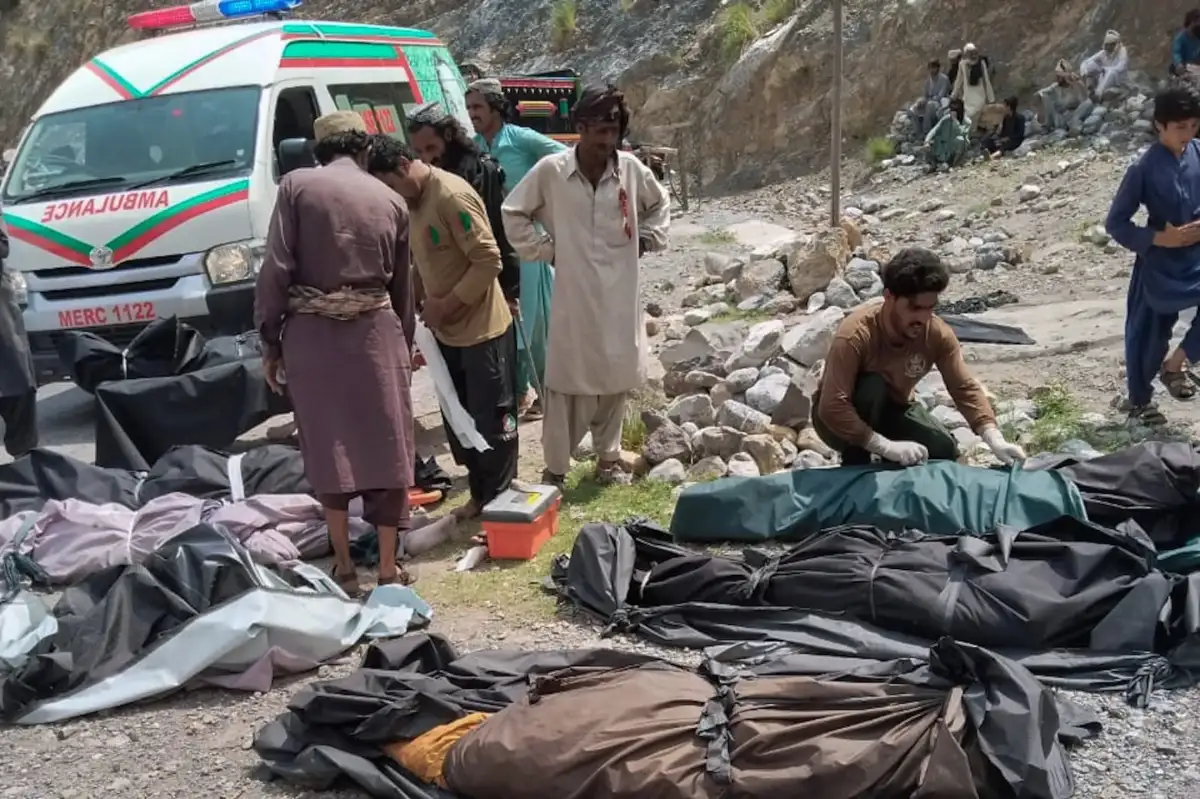
Read More: 40 Die in Quetta to Peshawar Bus Crash in Balochistan on April 3 2026
The collaborative nature of the project, involving China's Chengdu Aircraft Industry Group, has been crucial. This partnership has facilitated technology transfer and provided access to a broader manufacturing base. The PAC facility in Kamra serves as the primary assembly and manufacturing hub, employing thousands of engineers and technicians. The venture highlights a growing trend of South-South cooperation in the defense sector, offering developing nations more accessible and adaptable military hardware.