As of 19 May 2026, the diplomatic standoff between the United States and Iran remains locked in a cycle of public demand-setting. Despite recurring claims of "workable" frameworks, the fundamental requirements for a cessation of hostilities—which began on 28 February 2026—remain structurally incompatible.
Core Signal: Negotiations are stalled by the US demand for the transfer of 400kg of enriched uranium and the consolidation of Iran's nuclear infrastructure to a single site, while Iran insists on the unfreezing of financial assets and the recognition of its sovereignty over the Strait of Hormuz.
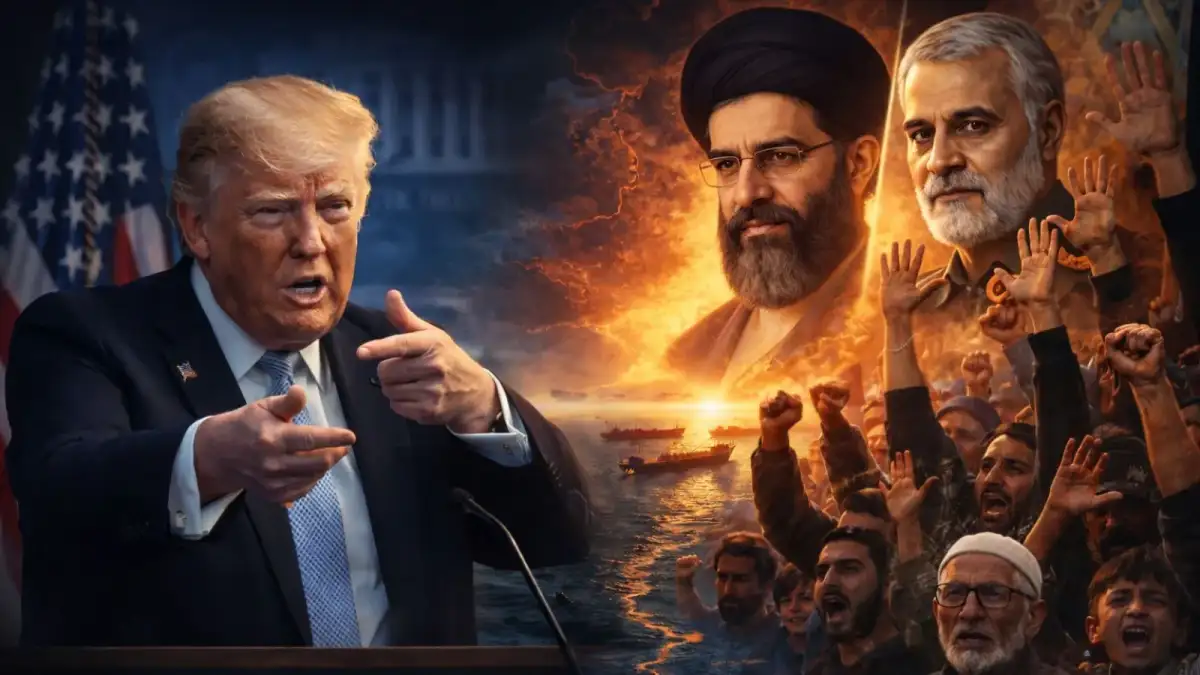
Divergent Terms of Engagement
The current negotiation landscape is characterized by five primary conditions from each side, reflecting deep-seated mutual suspicion and strategic competition.

| US Demand Tier | Iran Demand Tier |
|---|---|
| Transfer of 400kg enriched uranium | Lifting of anti-Iranian sanctions |
| Consolidation to one nuclear facility | Release of frozen financial assets |
| Cessation linked to negotiation progress | Compensation for war damages |
| Refusal of war damage payments | Recognition of Strait of Hormuz sovereignty |
| Refusal to unfreeze assets | End of war on all fronts (inc. Lebanon) |
The Friction of Reality
The rhetorical atmosphere is marked by a breakdown in trust. While President Donald Trump has previously signaled a "workable basis" for an agreement, officials in Tehran, including Foreign Ministry spokesperson Esmail Baqaei, have characterized US diplomatic efforts as a "cover for military goals."
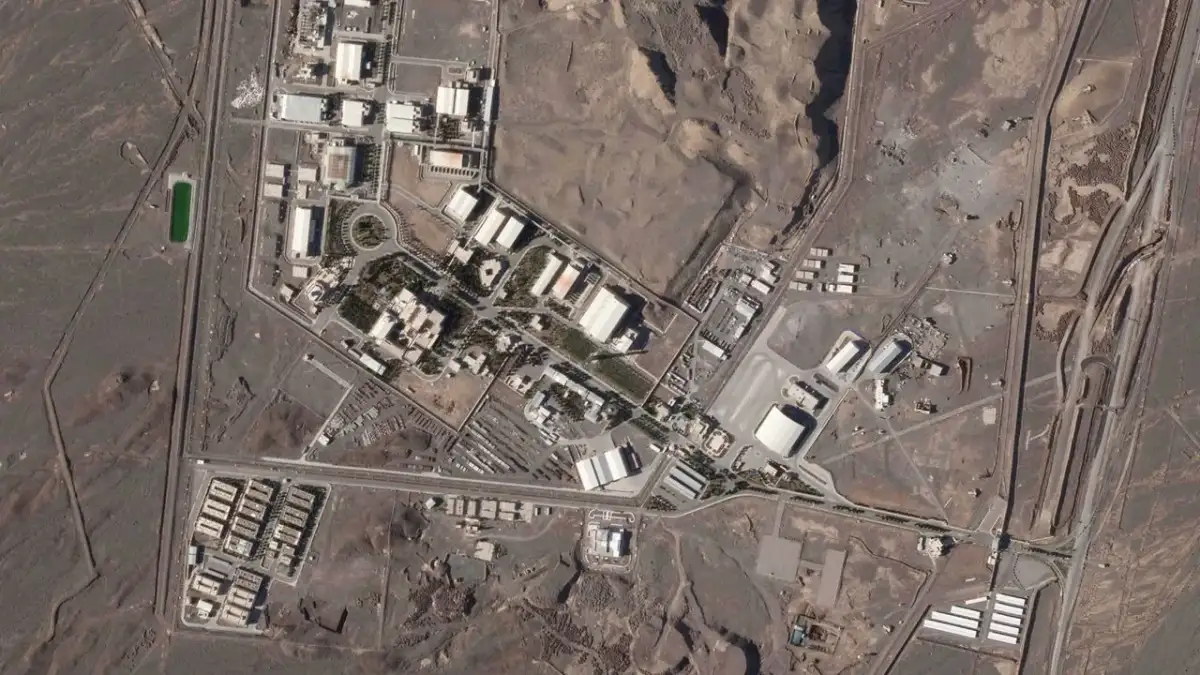
Read More: Iran Zagros Mountain Nuclear Site Construction Update April 2026
The situation is further complicated by:
The Mediation Loop: Pakistan has served as a conduit for a 15-point ceasefire plan, yet the specific operational scope—particularly regarding whether a ceasefire covers Lebanon—remains a source of active conflict.
Institutional Posturing: Iran continues to reject the White House’s framing of its negotiating position as "desperate," noting that external pressure serves only to harden internal resistance against concessions.
The Nuclear Question: The US objective to reduce Iran’s nuclear footprint by demanding the removal of 400kg of uranium remains the primary hurdle, as Iran views its nuclear capacity as an inherent element of its state sovereignty.
Investigative Perspective: The Illusion of Progress
This conflict is not merely about physical territory or weapons-grade material; it is a collision of systemic survival strategies. The US approach—utilizing economic strangulation via frozen assets and restrictive sanctions—is being met with an Iranian strategy that refuses to decouple regional influence from its domestic nuclear program.
For the observer, the discrepancy between White House claims of an "imminent agreement" and the Iranian reality of a hardened diplomatic front suggests that these talks function more as an extension of the war through other channels rather than a genuine mechanism for peace. As of today, the lack of movement on the 10-point Iran Proposal signals that the "ceasefire" remains an aspiration of public relations rather than an operational reality on the ground.
Read More: Gulf Oil Exports Rise in June but Still Below Pre-War Levels