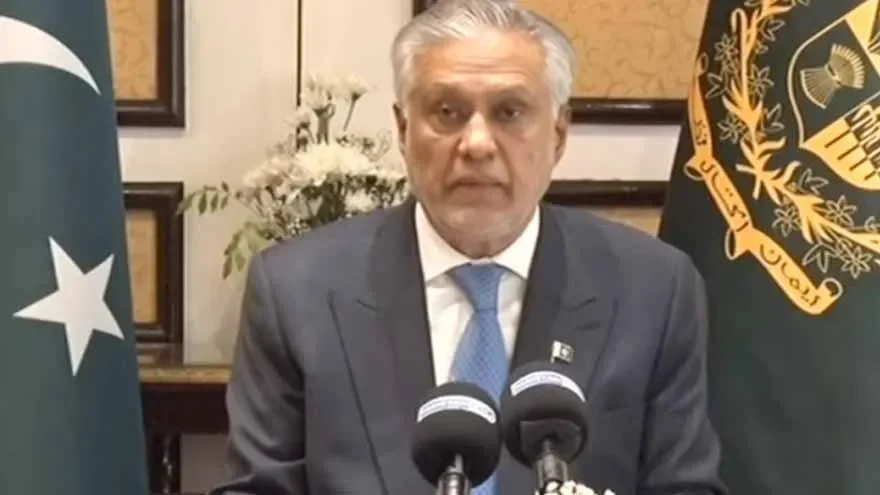
A total of 11 Pakistani citizens and 20 Iranian nationals, previously on vessels seized by the United States, have been repatriated, according to statements from Pakistan's Deputy Prime Minister and Foreign Minister Ishaq Dar. The group traveled from Singapore to Bangkok before arriving in Islamabad late on Friday night, with the Iranian nationals slated to continue to their homeland. This development occurs against a backdrop of ongoing, albeit fragile, diplomatic maneuvers between Washington and Tehran.
Diplomatic Threads and Regional Currents
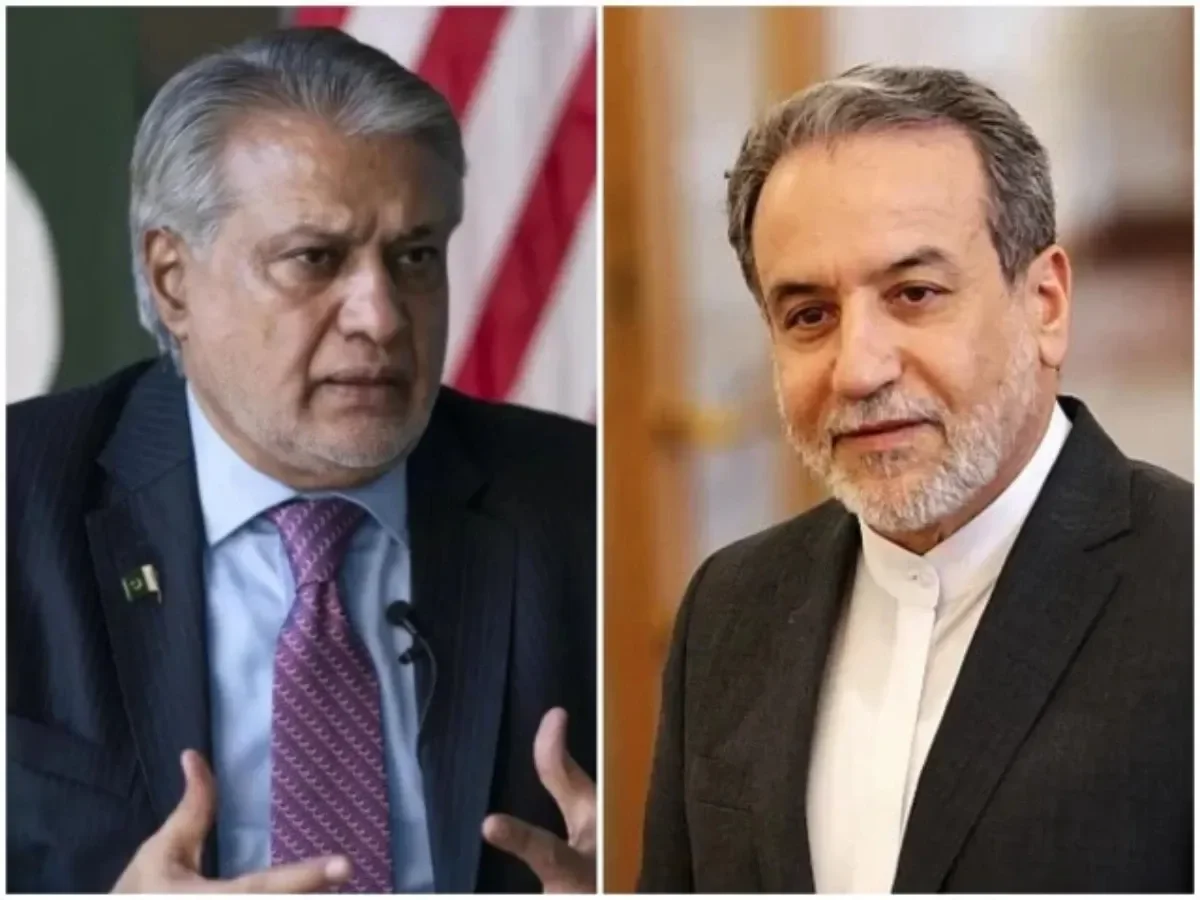
The repatriation effort underscores Pakistan's role as a facilitator in the complex relationship between the United States and Iran. Dar explicitly acknowledged the cooperation of Iranian Foreign Minister Abbas Araghchi and expressed gratitude to Singaporean Foreign Minister Vivian Balakrishnan for his assistance in the process. This mirrors earlier Pakistani efforts, such as hosting direct talks between the US and Iran last month, which, while not yielding a breakthrough, represented a step in confidence-building.
Read More: AFP Reviews War Crime Claims Against Australian in Gaza

The underlying context for these repatriation efforts is the volatile situation stemming from the recent US-Iran conflict. Hostilities, including naval confrontations and vessel seizures, have persisted despite a fragile ceasefire established in April. Iran’s prior actions, such as the effective closure of the Strait of Hormuz, which handles a significant portion of global seaborne oil and gas, highlight the critical nature of these ongoing tensions.
Background Narratives
The current predicament follows a period of intense conflict initiated in late February by a US-Israeli offensive against Iran. While a ceasefire was brokered on April 8th, facilitated in part by Pakistan, exchanges of fire have continued. These incidents have jeopardized the truce, with Washington and Tehran attempting to navigate towards a more stable peace agreement. Discussions have touched upon contentious issues, including Iran’s nuclear program, though a definitive resolution remains elusive. The presence of Chinese nationals on at least one seized vessel was also noted, indicating the broader international implications of these maritime disputes.
Read More: Tibetan Permafrost Thaw Releases Ancient Carbon, Risks Climate Tipping Point