TAIPEI, May 16, 2026 – Taiwan is forcefully advocating for continued American arms supplies, framing them as an essential element for regional stability. This comes in the wake of President Donald Trump’s stated indecision regarding a significant weapons sale, following his summit with Chinese President Xi Jinping in Beijing.
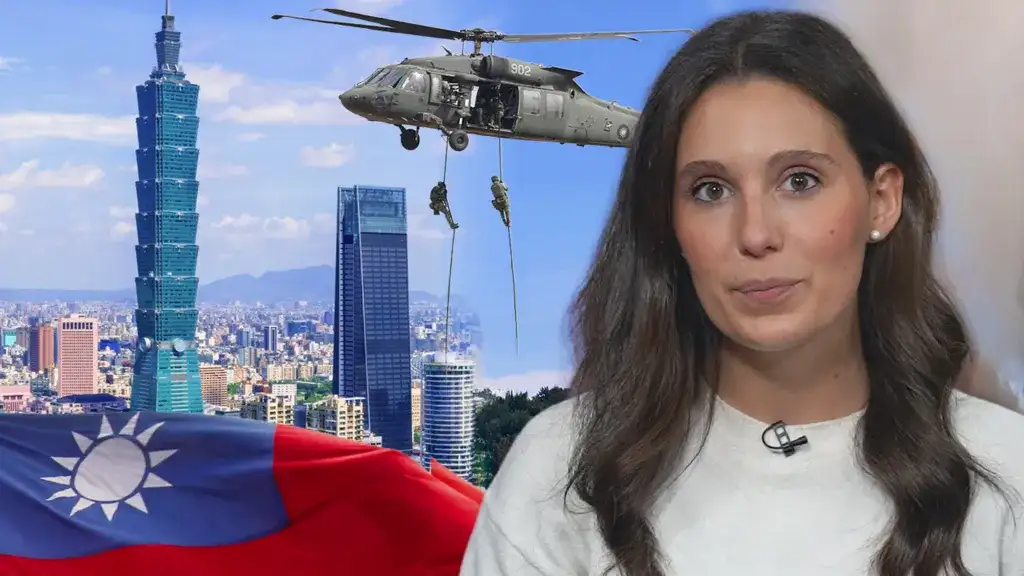
The island's government insists that US arms sales are not merely discretionary transactions but are "a cornerstone of regional peace and stability" and are "legally enshrined" under the Taiwan Relations Act. This assertion was reiterated by Deputy Foreign Minister Chen Ming-chi on Saturday, emphasizing that such sales are integral to Washington's commitment to Taiwan's security.
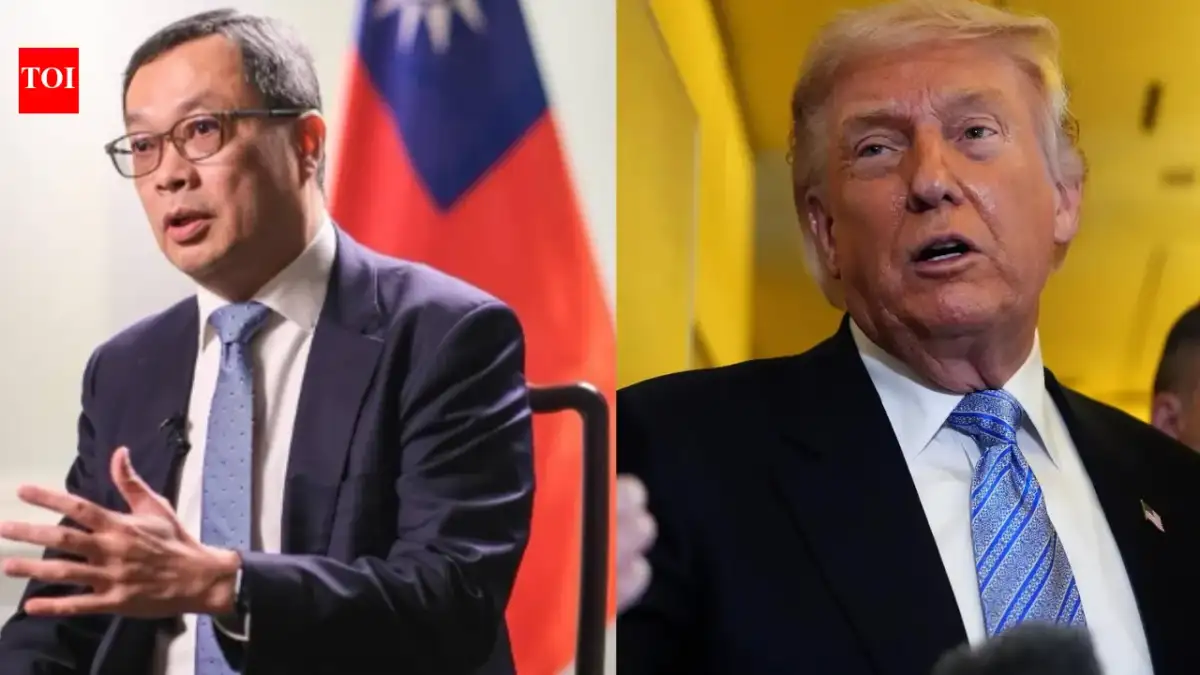
President Trump's remarks after his two-day meeting with Xi Jinping, where he indicated he had "yet to decide" on proceeding with a major weapons deal, have injected considerable uncertainty into the long-standing US support for the self-governing island. Trump also publicly suggested he would speak directly with Taiwan’s President Lai Ching-te about the proposed sale.
Read More: AFP Reviews War Crime Claims Against Australian in Gaza

Taiwan's foreign ministry, in a statement issued Friday, maintained that the island is a "sovereign nation" and that declaring formal independence is unnecessary, referencing President Lai's stance. The ministry also confirmed that US arms sales are mandated by US law, serving as a vital deterrent against regional threats.

A Foundation for Stability, A Legal Mandate
Taiwanese officials are pressing forward with their case, highlighting that these arms transfers are more than just a bilateral arrangement. They are viewed as a critical component of the broader security architecture in the Taiwan Strait. Deputy Foreign Minister Chen Ming-chi stated on Saturday that the island remains dedicated to maintaining peace and stability in the region, asserting that the future of Taiwan can only be democratically decided by its own people.
The US, despite lacking formal diplomatic ties with Taiwan, remains its most significant international supporter. The Taiwan Relations Act obligates Washington to provide Taiwan with the means for self-defense, a commitment that often necessitates a delicate balance with maintaining diplomatic relations with Beijing.
Read More: Tibetan Permafrost Thaw Releases Ancient Carbon, Risks Climate Tipping Point
Beijing's Stance and Shifting Dynamics
China, which claims Taiwan as its own territory, has consistently opposed arms sales to the island. During President Trump's visit to Beijing, President Xi Jinping is understood to have pressed the issue, advocating against US support for Taiwan. The Chinese military has maintained a consistent presence and pressure around Taiwan, even during Trump's summit with Xi.
Speculation suggests that President Trump may delay approval of new arms packages until after a potential visit by President Xi to the US later in the year. The exact intent behind Trump's comments remains a subject of interpretation, with Taiwanese officials seeking to understand the "true intent" of his remarks.
Read More: Indus Waters Treaty remains suspended in India and Pakistan April 2026
Background
The relationship between Taiwan and the United States has been shaped by decades of complex geopolitical dynamics. Following the Chinese Civil War, the Republic of China (ROC) government retreated to Taiwan, while the People's Republic of China (PRC) was established on the mainland. The US shifted its diplomatic recognition from Taipei to Beijing in 1979 but has maintained a robust unofficial relationship with Taiwan, underscored by the Taiwan Relations Act. This act provides the legal framework for unofficial relations and mandates that the US assist Taiwan in maintaining its self-defense capability. The ongoing arms sales are a direct manifestation of this commitment, viewed by Taiwan as essential for its security in the face of a significantly larger military adversary.