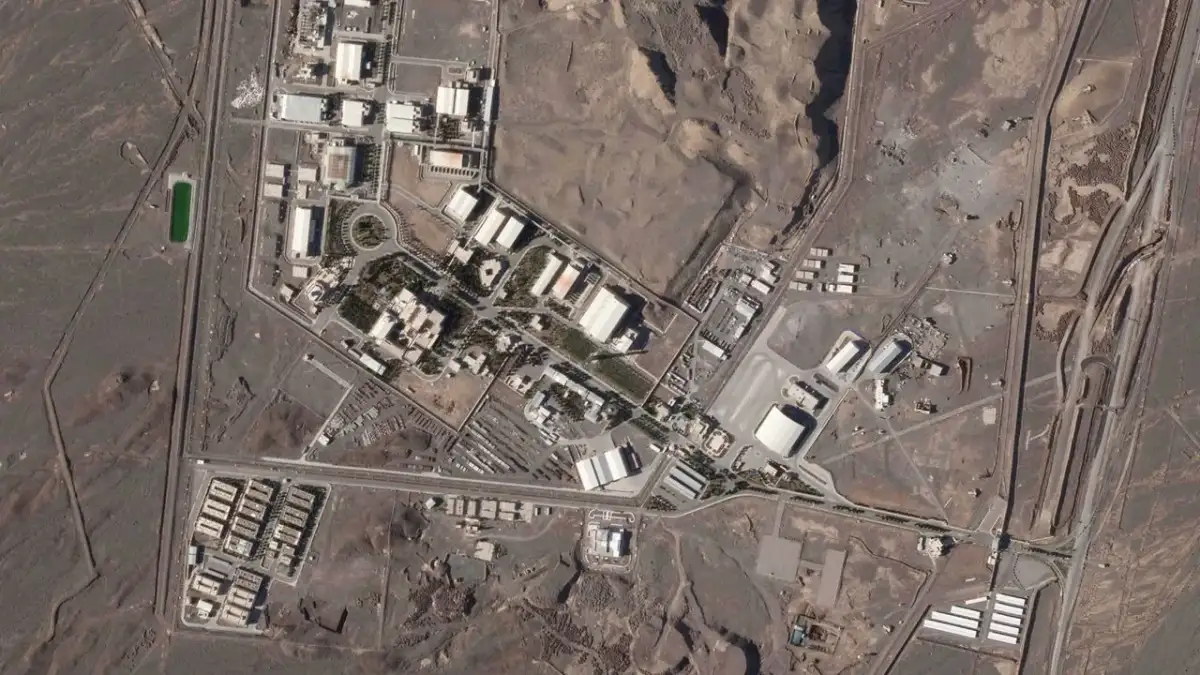
NEW DELHI — Iranian Foreign Minister Abbas Araghchi, in New Delhi for high-level talks, has issued a stark warning of potential “full-scale war” in West Asia. Araghchi also stated that Iran would “welcome a constructive role by India” in de-escalating the ongoing conflict. These pronouncements come as the United States, through President Donald Trump, signals growing impatience with Tehran, particularly regarding its nuclear program.
Araghchi expressed doubt about the United States' "seriousness" in negotiations, specifically concerning the deadlock over enriched uranium. He confirmed discussions with Russia about proposals to move the material. Meanwhile, President Trump indicated an openness to Iran suspending its nuclear program for 20 years, provided its commitment is “real”. This comes amidst rising European gas prices, a reflection of heightened concerns over renewed conflict in the region and potential disruptions to global oil supplies via the Strait of Hormuz.
Read More: Iran Zagros Mountain Nuclear Site Construction Update April 2026
A Shift in Diplomatic Overtures
Araghchi's visit to India, his first since the intensification of regional hostilities, underscores a significant diplomatic maneuver. He held bilateral meetings with his Indian counterpart, S Jaishankar, and also engaged with Prime Minister Narendra Modi and other BRICS members. Discussions reportedly centered on regional tensions and finding "practical ways" to navigate the fallout of geopolitical upheavals and trade disruptions. India, for its part, has reiterated its stance against targeting commercial shipping, condemning an attack on an Indian-flagged ship off the coast of Oman.
Global Dynamics and Strained Negotiations
The volatile situation is further complicated by international engagements. President Trump recently concluded high-stakes talks in Beijing with Chinese President Xi Jinping. During these discussions, both leaders agreed that the Strait of Hormuz must remain open. China, according to Trump, also pledged to refrain from providing military equipment to Iran and offered Beijing's assistance in keeping the crucial shipping lane open.
Read More: Tibetan Permafrost Thaw Releases Ancient Carbon, Risks Climate Tipping Point
Historical Context of Friction
The current impasse is a continuation of long-standing tensions between the US and Iran. Araghchi previously accused the United States and Israel of “illegal expansionism” and “bullying” tactics, likening them to “empires in decline.” Reports from earlier in the year detail retaliatory strikes between Iran and Israeli/US targets, alongside potential calls from Trump for regime change in Iran. The fundamental disagreement over Iran's nuclear program remains a core issue, with statements suggesting a deadlock over enriched uranium. Russia, through President Vladimir Putin, has previously offered to assist in securing peace in the Middle East.