

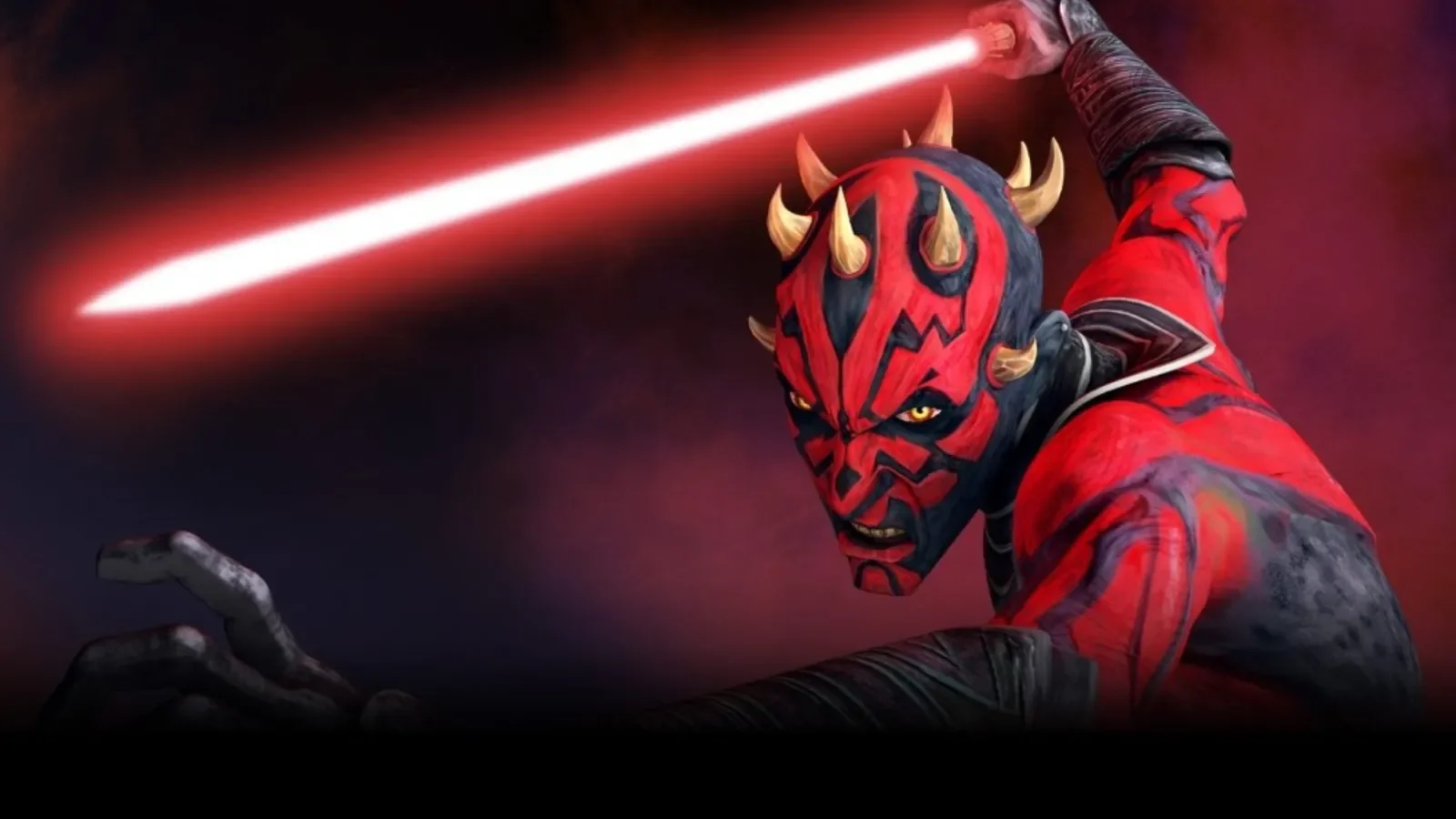
A NEW FILM PLUGS INTO AN ESTABLISHED ERA
The forthcoming film, "The Mandalorian and Grogu," is slated to anchor itself firmly within the New Republic era, a period already charted by its Disney+ predecessors, "The Mandalorian," "The Book of Boba Fett," and "Ahsoka." Early indications place the narrative predominantly around 9 years after the events of "Return of the Jedi," aligning with the timeframe established for the ongoing MandoVerse television series. This cinematic venture marks a significant expansion, transitioning a cornerstone of the franchise from streaming to the silver screen, promising to deepen the narrative threads woven into this post-Imperial landscape.
CONTINUITY AND EXPANSION
While precise chronological placement within that year might remain fluid, the series' run has consistently occupied this singular year, suggesting a narrative pace that allows for granular exploration of this specific period. The film's development indicates a continuation of the established continuity, with reports confirming the return of Ludwig Göransson to score the project, signaling an intentional artistic and narrative linkage. The project is heralded as the first in a new slate of Star Wars films, suggesting a broader strategy for expanding the cinematic universe beyond the Skywalker saga.
Read More: The Devil's Rain 4K release sparks debate on cult status
THE IMPLICATIONS OF THE FALL
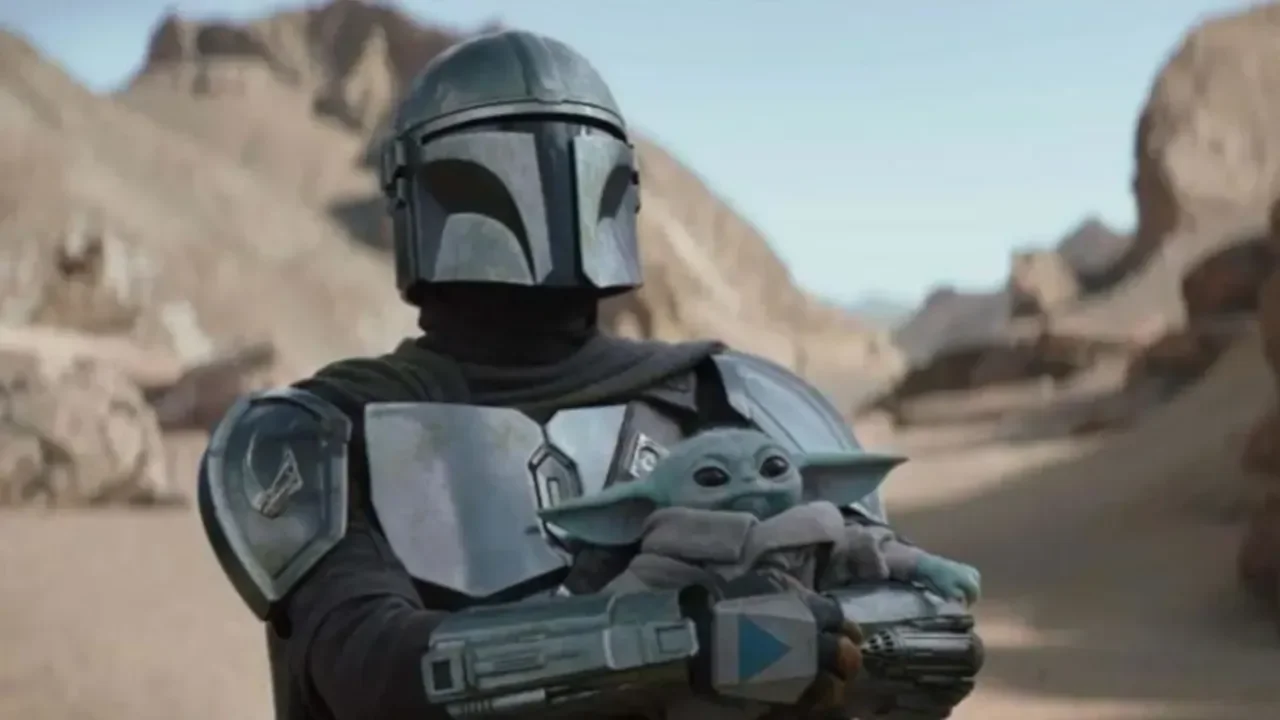
The positioning of "The Mandalorian and Grogu" becomes more resonant when considered as the missing emotional link between the original and sequel trilogies. It occupies an "unexplored era," following the fall of the Empire, a period ripe with narrative potential and character evolution. The film's premise involves Din Djarin and Grogu navigating a galaxy still reeling from seismic shifts, with Djarin's purpose evolving in this post-Empire setting.
HISTORICAL ECHOES AND FUTURE TRAJECTORIES
The Star Wars timeline, a complex tapestry measured by events relative to the Battle of Yavin (BBY/ABY), finds "The Mandalorian and Grogu" nestled in the aftermath of key galactic conflicts. The Battle of Yavin, which saw the destruction of the Death Star in "A New Hope," serves as the cardinal point for dating events. The bulk of "The Mandalorian" series, and by extension the new film, falls into the post-Imperial era, specifically around 9 ABY, a period that predates the rise of the First Order and the events depicted in "The Force Awakens." This places the film's narrative closer to "Return of the Jedi" than to the more recent sequel trilogy entries.
Read More: Star Wars Zero Company Release Date Leaked, XCOM Style Gameplay Confirmed

THE EMERGENCE OF THE NEW REPUBLIC
The period is characterized by the nascent stages of the New Republic, a time when Luke Skywalker has yet to fully establish his Jedi academy. Grogu's potential role as one of Skywalker's earliest, and transient, students is a narrative element that anchors the series' early seasons and its continuity. This temporal setting allows for the exploration of characters and events that bridge the gap between the fall of the Emperor and the emergence of new galactic powers, a crucial period of transition and reconstruction.
LEGACY AND CROSSOVER
The interconnectedness of the MandoVerse is underscored by the cross-appearances between "The Mandalorian," "The Book of Boba Fett," and "Ahsoka," all sharing this post-Return of the Jedi timeline. "The Mandalorian," which premiered in 2019, was a landmark as the first live-action Star Wars series on television, establishing a precedent for expanding the franchise's narrative beyond feature films. The inclusion of characters and plotlines from across these interconnected stories suggests "The Mandalorian and Grogu" will draw upon this rich history, further solidifying its place within the broader Star Wars canon.
Read More: Mortal Kombat 3 Script Done, But Studio Has Not Said Yes Yet

:max_bytes(150000):strip_icc()/MORTAL-KOMBAT-II-LEWIS-TAN-050826-f54556c368f34929b0ed2ea7f658c792.jpg)


