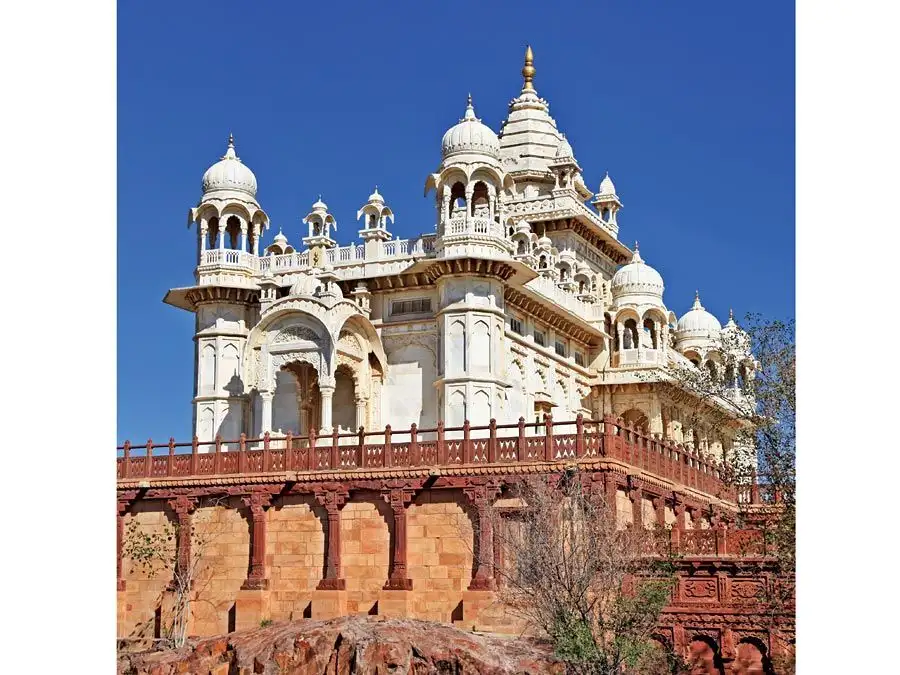
The Hyderabad Metropolitan Development Authority (HMDA) is currently pushing to complete restoration and expansion works at the Paigah Palace in Begumpet to facilitate a full relocation of its administrative operations. After previous delays caused by complex conservation requirements, construction crews are now accelerating efforts to prepare the historic site to house the agency’s fragmented departments under a single roof.
Core Update: The project involves sensitive restoration of the original heritage structure alongside the addition of a fourth floor and pre-fabricated fifth-floor structures on the rear annex buildings.
Preservation constraints: HMDA engineering officials have confirmed that work within the main palace building strictly forbids drilling or structural damage, necessitating specialized, non-invasive conservation techniques.
Budgetary shift: The agency faces an estimated restoration expenditure of ₹2 to ₹3 crore, a figure framed against a backdrop of rising maintenance costs.
Infrastructure: New plans include two 100-seat conference halls located within the newer annexes to support inter-departmental coordination for planning and urban development.
The Fiscal Pivot
The repurposing of the Paigah Palace serves as a solution to long-standing maintenance sustainability issues. Previously, the palace relied on film shoot rentals to offset its ~₹1 crore annual upkeep cost. However, a sharp decline in production activity—which at one point saw revenues dip to between ₹10 lakh and ₹15 lakh annually—rendered the commercial model for the property insufficient.
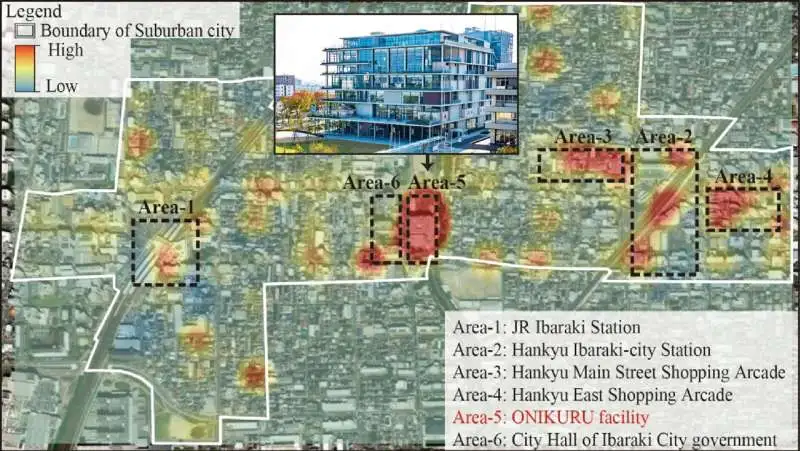
Read More: How Onikuru facility in Ibaraki City changes local visit habits in 2026
| Phase | Operational Focus |
|---|---|
| Past | Film production hub and former US Consulate office. |
| Present | Intensive restoration and administrative repurposing. |
| Future | Consolidated headquarters for HMDA divisions. |
Architectural Context
Constructed by the nobleman Sir Vicar-ul-Umra, the palace is defined by its grand scale and passive cooling features. The central structure retains unique rectangular vents—functioning like chimneys—to regulate temperature and airflow, paired with 22-to-26-foot ceilings. These elements must now coexist with modern digital and fire-safety requirements mandated for government office standards.
The relocation aims to streamline land-use and transport planning for a rapidly expanding city. By moving away from the scattered office model currently in place at the Swarnajayanthi Complex and other sites, the government seeks to improve inter-divisional efficiency. As the deadline for the move looms, the site represents a fragile intersection between preserving colonial-era grandeur and fulfilling the logistical demands of a modern municipal authority.