Current figures, aggregating various recent polls, indicate a significant upward shift in support for Pauline Hanson's One Nation party, potentially leading to a dramatic alteration of Australia's parliamentary composition. The party's primary vote is showing strength across multiple surveys, sometimes surpassing established parties and nearing Labor's standing. This surge appears fueled by voter discontent over economic pressures and immigration.

Polling Landscape: A Shifting Terrain
Several polls reflect One Nation's ascent:
RedBridge/Accent Survey: Shows One Nation at 31 per cent of the primary vote, placing it ahead of Labor (28 per cent). The Greens are at 18 per cent, and the Coalition trails at 16 per cent.
Fox & Hedgehog Polling: Reports Labor at 30 per cent, One Nation at 25 per cent, and the Coalition at 24 per cent.
DemosAU Poll: Places Labor at 29 per cent, with One Nation surging to 28 per cent. The Coalition is at 21 per cent.
National Trends: In Queensland, One Nation commands 21 per cent of the primary vote. In Tasmania, support has jumped from 6 per cent at the last election to 24 per cent, even tying Labor in the Braddon electorate.
This widespread increase positions One Nation as a substantial force, challenging the traditional dominance of the major parties. On a three-party preferred basis, Labor maintains a narrow lead over One Nation, but its margin over the Coalition has dwindled to just two points.
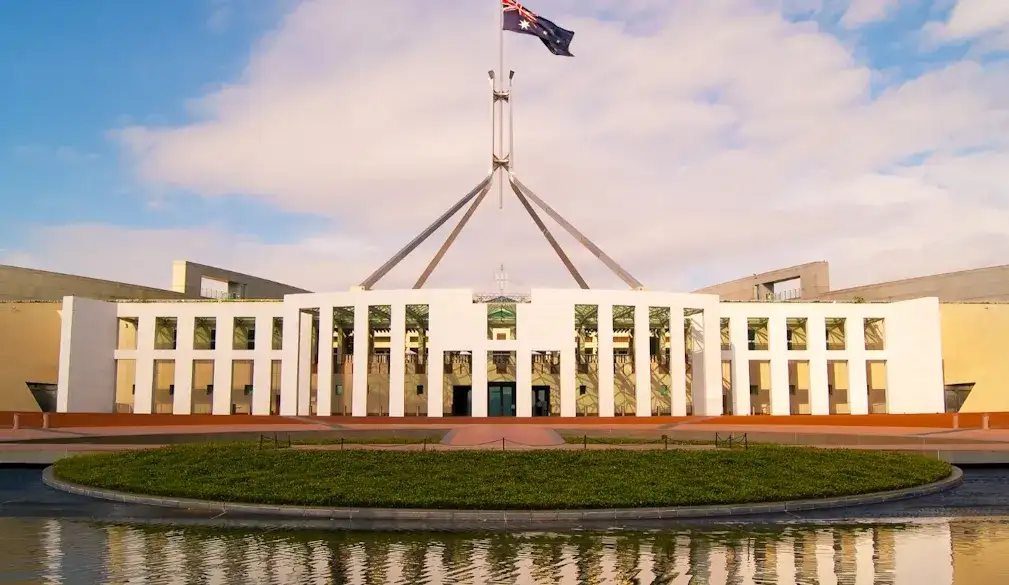
Potential Parliamentary Impact
The projected polling numbers suggest a substantial increase in One Nation's parliamentary representation, particularly in the Senate, where its numbers could potentially quadruple. This has prompted caution from figures like Barnaby Joyce, who advises against mooted plans for leader Pauline Hanson to relinquish her secure lower house seat for a Senate position. The Nationals' Senate seats appear particularly vulnerable to this shift.
Read More: Taiwan Holds Nantou County Drills to Prepare for State Collapse
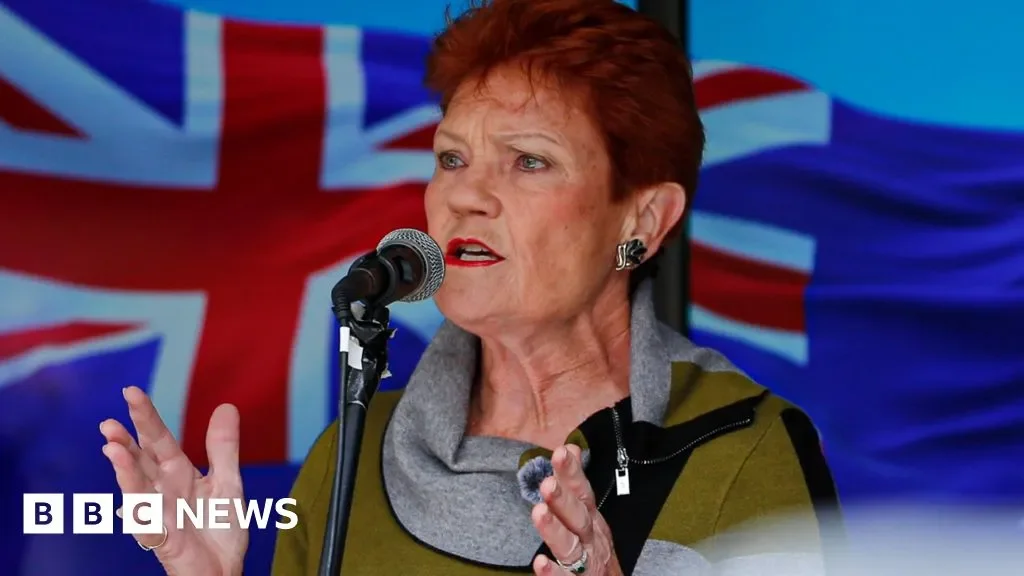
One Nation’s growing presence raises questions about its capacity to translate polling gains into actual parliamentary seats, a barrier it has historically encountered. While no longer confined to the fringes, its electoral viability on polling day remains a point of observation.

Underlying Drivers of the Surge
Research suggests that economic grievances and a consolidation of anti-immigration sentiment on the political right are key factors contributing to One Nation's rising popularity. The party's direct approach and focus on issues such as border security, affordable energy, and national interest appear to be resonating with a segment of the electorate. Notably, the appeal extends beyond traditional stereotypes, with findings indicating support among millennials.
Historical Context
For three decades, One Nation has largely occupied the political periphery. Its recent surge signifies a potential breakthrough moment, moving beyond its status as a fringe far-right group to become a more serious contender. This current popularity is a departure from past fluctuations, marking a significant period for the party. Past internal divisions, such as the expulsion of co-founder David Oldfield, have been noted, but the party's current trajectory appears to be driven by broader societal concerns. Despite its gains, resistance from non-One Nation voters could temper its dominance in the near future.
Read More: Hunter Region Gets $12 Billion Train Factory