A Complex Inheritance
When Barack Obama entered the presidency in 2009, the nation faced deep-seated problems. A severe economic downturn, known as the Great Recession, had taken hold, causing widespread job losses and financial instability. The country was also embroiled in ongoing wars in Iraq and Afghanistan, demanding significant attention and resources. On top of these pressing issues, Obama aimed to enact broad reforms, notably in healthcare. The period was marked by attempts to stabilize the economy, realign foreign policy, and expand access to medical services, all within a challenging political landscape.

Key Issues Faced by the Obama Administration
Economic Crisis and Recovery Efforts
The Obama administration inherited an economy in crisis. The Financial Crisis of 2007-2008 had caused a sharp decline in economic activity, leading to job losses and a shaky financial system.

Stimulus Package: Early in his term, Obama signed an economic stimulus package into law, aiming to revitalize the economy. This move was a direct response to the recession, seeking to boost spending and create jobs.
Financial Reform: A significant focus was placed on financial reform to address the risks within the U.S. financial system. The goal was to make the system less prone to the kind of collapse that had recently occurred.
"Obamanomics": The term "Obamanomics" emerged to describe the suite of economic policies implemented during his presidency. These policies were shaped by Obama's background, his economic philosophy, and the specific economic conditions he faced.
Regulation: The Obama administration utilized regulation as a tool in its economic policy, notably in industries such as the automotive sector, to steer recovery and change.
Wars in Iraq and Afghanistan
The wars in Iraq and Afghanistan presented a complex foreign policy challenge. Obama's commitment was to bring an end to the conflict in Iraq and shift the approach in Afghanistan.
Read More: US 250th Anniversary on July 7, 2026, sees 20% not celebrating
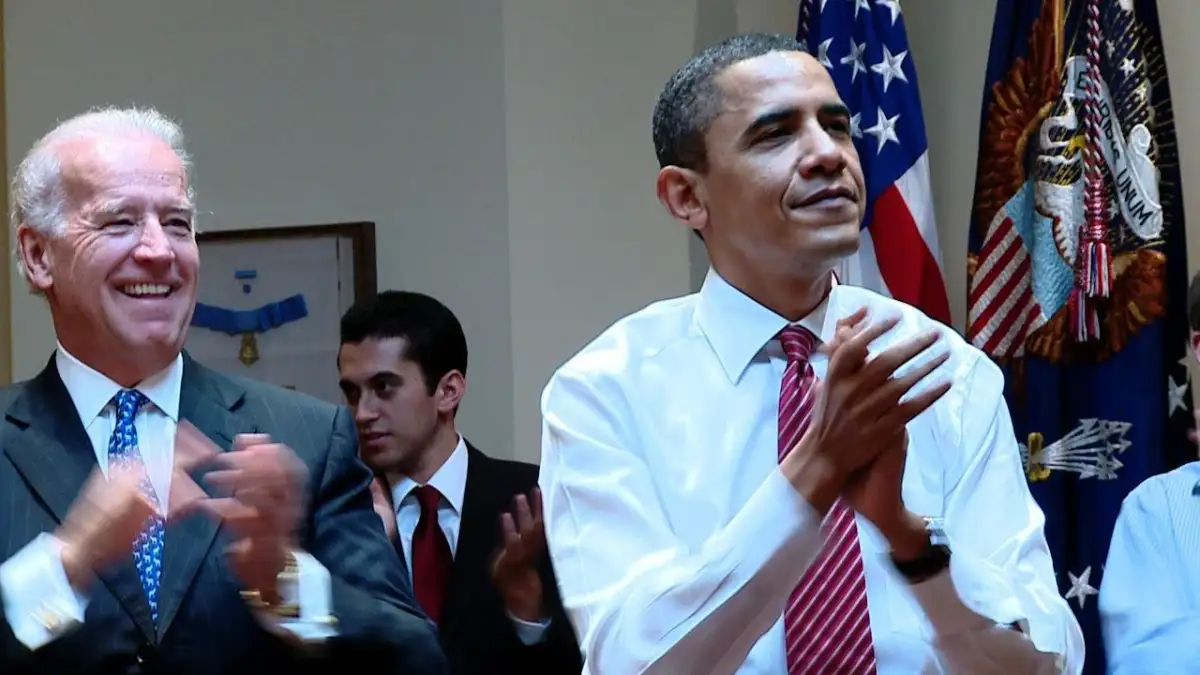
Iraq Withdrawal: A central promise of Obama's campaign was to end the war in Iraq. His administration oversaw the removal of nearly 100,000 U.S. troops from the country, fulfilling this pledge.
Afghanistan Command: In Afghanistan, the administration aimed to realign the mission. This involved changes in military leadership, including the replacement of Gen. McChrystal. The U.S. eventually relinquished direct command of operations to NATO in March 2011.
Global Leadership Approach: Obama sought to exert influence in world affairs while often preferring to avoid direct intervention in other countries' internal matters. This approach drew comparisons to the impact of the Vietnam War on previous administrations' domestic agendas.
Health Care Reform
A cornerstone of Obama's domestic agenda was achieving comprehensive health care reform.

Expanding Access: The administration worked to expand access to health insurance for Americans, a long-standing goal for many in the Democratic party.
Legislative Efforts: Despite facing political hurdles, Obama pursued significant legislation aimed at reshaping the health care system. The specific details of these legislative efforts and their outcomes are a key part of his domestic policy legacy.
Debates and Criticisms
While the Obama administration achieved notable policy shifts, its actions and their impact were subject to various viewpoints and critiques.
Economic Policy Perspectives
The assessment of Obama's economic policies, often termed "Obamanomics," is not uniform.
Successes: Supporters point to the stabilization of the economy and the creation of jobs following the recession as evidence of successful recovery efforts.
Lingering Issues: Critics argue that the U.S. financial system, despite reforms, remains large, costly, and risky. Questions persist about the long-term effectiveness and scope of the financial regulations put in place.
Comparison: Understanding Obamanomics is often framed by comparing it to other economic philosophies, such as "Reaganomics," to evaluate its impact and reception over time.
Foreign Policy Appraisals
The administration's handling of foreign conflicts also generated diverse opinions.
Fulfillment of Promises: The withdrawal of troops from Iraq is seen by many as a direct fulfillment of a campaign promise, marking a significant shift in U.S. involvement.
Strategic Considerations: The approach to Afghanistan, including leadership changes and the handover of command to NATO, reflects a strategic re-evaluation of the U.S. role in the conflict.
Intervention Debate: Obama's preference for leading global efforts without deep direct intervention sparked discussion about the most effective ways to engage on the international stage.
Unforeseen Challenges
Beyond the anticipated challenges of the economy, wars, and health care, the Obama administration also faced developments that were less predictable.
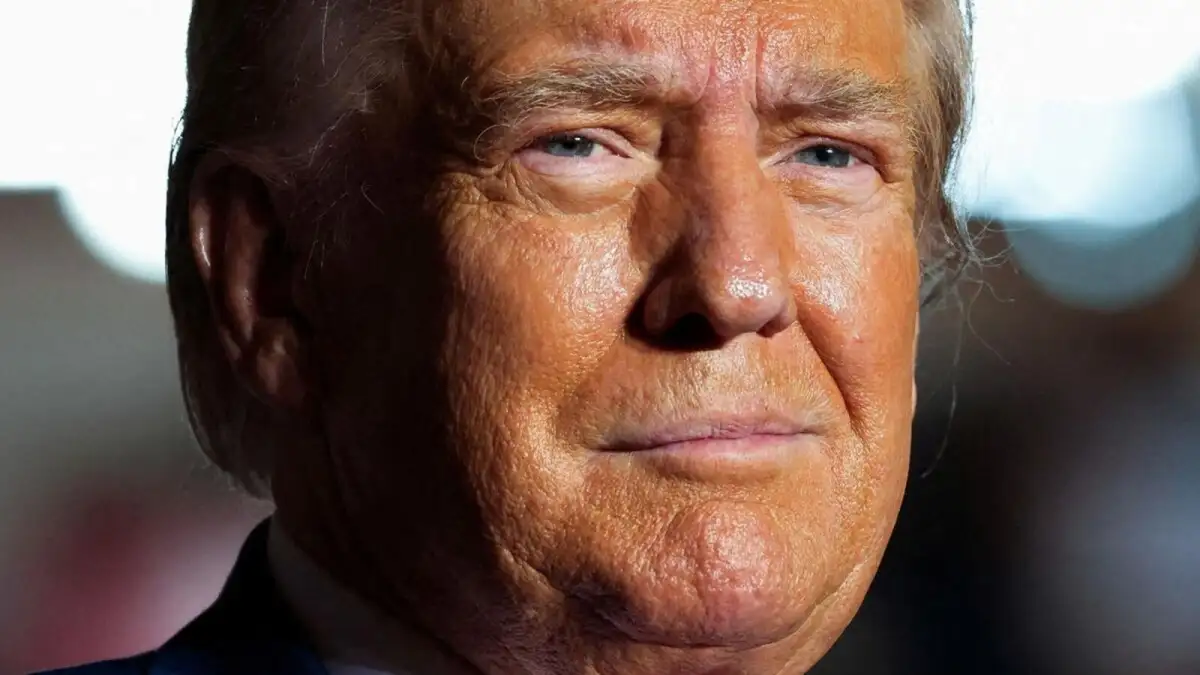
The Rise of Trump: The emergence of Donald Trump as a political force and eventual successor represented a significant political shift that was not clearly foreseen by many during Obama's tenure. The factors contributing to this rise and its contrast with Obama's political trajectory are a subject of ongoing analysis.
Conclusion
During his two terms, Barack Obama navigated a presidency defined by profound economic crisis, protracted military engagements, and ambitious domestic reform efforts. He enacted an economic stimulus to combat the Great Recession, initiated significant financial reforms, and oversaw the end of the U.S. combat mission in Iraq. His administration also pursued landmark health care legislation aimed at increasing coverage. Foreign policy was marked by a strategic shift in Afghanistan and a desire to lead globally with less direct intervention. While the Obama administration achieved substantial policy objectives, the enduring complexities of the financial system and the unforeseen political landscape, including the rise of Donald Trump, highlight the multifaceted nature of his presidential legacy. The effectiveness and long-term impact of his policies continue to be subjects of debate and scholarly examination.
Read More: Trump says Vance-Rubio ticket would be "unbeatable" for 2028
Sources Used:
Financial Times: Article providing an overview of Obama's economic actions.🔗 https://www.ft.com/content/b5b764cc-d657-11e6-944b-e7eb37a6aa8e
Britannica: Biography section detailing Obama's involvement in the wars in Iraq and Afghanistan.🔗 https://www.britannica.com/biography/Barack-Obama/Wars-in-Iraq-and-Afghanistan
The Washington Post: Article analyzing Obama's economic policies and their complexity.🔗 https://www.washingtonpost.com/graphics/national/obama-legacy/financial-reform-policy.html
FinanceFacts101: Overview of Obama's economic policies, termed "Obamanomics."🔗 https://financefacts101.com/understanding-obamanomics-a-comprehensive-overview-of-barack-obamas-economic-policies/
The White House Archives: Timeline detailing the Iraq War during Obama's presidency.🔗 https://obamawhitehouse.archives.gov/iraq
Obama Foundation: Information regarding the administration's health care initiatives.🔗 https://www.obama.org/about/administration/health-care/