A recent legislative push, spearheaded by the Safeguard American Voter Eligibility (SAVE) Act, has ignited a vigorous debate concerning its potential impact on voter registration, particularly for married women who have legally changed their surnames. While proponents assert the bill aims to enhance election integrity, critics and voting rights organizations express significant apprehension, suggesting that the act’s stringent documentation requirements could erect substantial barriers for a considerable segment of the electorate. The crux of the contention lies in how the proposed law addresses discrepancies between an individual's current legal name and the name on their birth certificate, a common scenario for women post-nuptials.
Legislative Framework and Initial Passage
The Safeguard American Voter Eligibility (SAVE) Act, a bill focused on overhauling voter registration and ballot casting procedures, recently advanced through the U.S. House of Representatives. Its passage by the House marks a critical juncture, shifting its trajectory to the Senate for further consideration. The legislation introduces a mandate requiring voters to provide specific documentation to prove their citizenship at the point of registration for federal elections. This particular provision has become the focal point of concern, as its implementation could present significant challenges for individuals whose legal names do not align with the names presented on their original citizenship documents, such as birth certificates.
Read More: US 250th Anniversary on July 7, 2026, sees 20% not celebrating

Documenting Citizenship: A Point of Contention
The SAVE Act stipulates that individuals registering to vote must present proof of citizenship in person. Accepted documents include a birth certificate, passport, or other official citizenship documentation. However, the bill's text has been interpreted by some as creating a potential hurdle for those whose names have changed, most notably married women who adopt their spouse's surname.
The Core Issue: The conflict arises when a voter's current legal name, such as a married surname, does not match the name on their birth certificate.
Potential Ambiguity: Critics highlight that the bill, as written, might not explicitly guarantee a mechanism for these individuals to present supplementary documentation, such as a marriage certificate, to bridge this discrepancy. This ambiguity raises questions about whether their birth certificate alone would suffice for registration purposes if the names do not align.
Divergent Interpretations of the SAVE Act's Impact
The debate surrounding the SAVE Act's effect on married women's voting rights has drawn starkly contrasting viewpoints from various stakeholders.
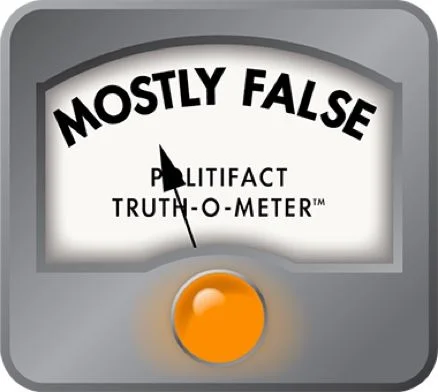
Concerns Raised by Voting Rights Advocates and Opponents
Voting rights organizations and several lawmakers have voiced profound apprehension regarding the SAVE Act's implications. Their arguments center on the notion that the bill could create undue burdens for millions of eligible voters.
Disproportionate Impact: The primary concern is that the act could disproportionately affect women who have changed their names due to marriage. This demographic, comprising the overwhelming majority of individuals who alter their surnames post-nuptials, may find the registration process more arduous.
Barriers to Access: Beyond married women, concerns extend to other groups who may have legally changed their names for reasons such as assimilation or gender identity alignment. The requirement to present documentation that precisely matches their current legal name could act as a significant impediment to their ability to register.
Potential for Disenfranchisement: Some fear that the complexity and potential stringency of the documentation requirements could lead to eligible voters being unable to register or update their registration, thereby effectively disenfranchising them.
Proponents' Arguments and Assurances
Conversely, supporters of the SAVE Act and its proponents maintain that the legislation is designed to bolster election security and prevent fraud. They argue that the concerns about married women being unable to vote are mischaracterizations of the bill's intent and practical application.
Read More: House Passes New Voting Rules That Some Say Make It Harder to Vote
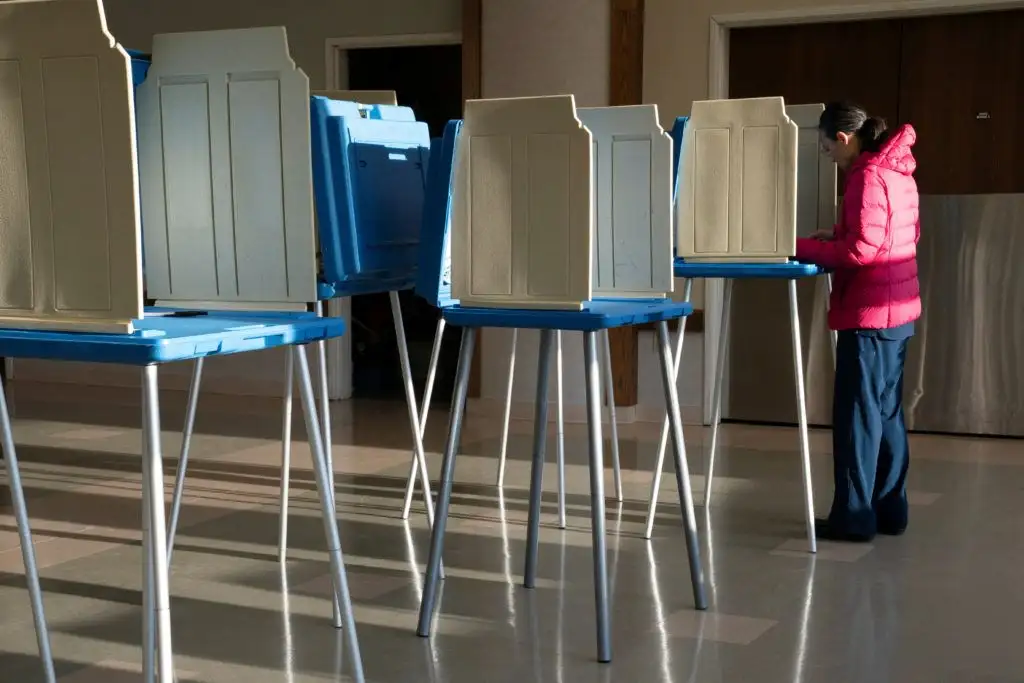
Emphasis on Security: The core argument for the SAVE Act revolves around enhancing voter identification and safeguarding the electoral process against illegitimate votes.
State-Level Flexibility: Supporters suggest that states will have the latitude to establish procedures that allow individuals to rectify name discrepancies. This could involve accepting additional proofs of identity, such as marriage licenses, to confirm citizenship and identity.
Not Absolute Prohibition: The act, according to its supporters, does not aim to make any group ineligible to vote but rather to ensure that all registered voters are legitimately identified citizens.
Expert Analysis and Legal Scrutiny
Legal experts and voting rights advocates have undertaken a thorough examination of the SAVE Act's language and potential ramifications. Their analyses underscore the nuances and ambiguities present within the legislation.
"The ambiguity in the bill’s text presents the distinct possibility that individuals who do not have a birth certificate that matches their current legal name, such as married women who changed their names, would not be offered the opportunity to provide supplementary documentation like a marriage certificate as part of the voter registration process," noted Cherry, a legal analyst.
This perspective highlights that while the intent might not be to disenfranchise, the practical execution as outlined in the bill could lead to such outcomes without explicit provisions for alternative documentation. The concern is not that the bill makes women ineligible to vote outright, but that it could make the process of registration significantly more difficult for a specific, common demographic.
Implications and Future Considerations
The Safeguard American Voter Eligibility Act, having passed the House, now faces a critical juncture in the Senate. The debate highlights a fundamental tension between enhancing election integrity and ensuring broad, unimpeded access to the ballot box.
Read More: Trump says Vance-Rubio ticket would be "unbeatable" for 2028
The Core Question: Will the SAVE Act, as currently formulated, create practical barriers for married women and others who have changed their legal names, despite intentions to the contrary?
Path Forward: The Senate's deliberations will be crucial in determining whether amendments are introduced to clarify the provisions regarding name discrepancies and to explicitly permit the use of documents like marriage certificates.
Broader Impact: Beyond the immediate concern for married women, the scrutiny of the SAVE Act raises broader questions about the balance between security measures and voter accessibility in election law. The potential for disproportionate impact on various demographics remains a key area of focus.
FactCheck.org: FactCheck.org is a non-partisan, non-profit organization dedicated to reducing the level of deception and confusion in U.S. politics. https://www.factcheck.org/
The 19th News: The 19th is a nonprofit, nonpartisan news organization that aims to empower women and girls by providing the information they need to shape their future. https://19thnews.org/
USA Today: USA Today is an American daily middle-market newspaper that serves as the flagship publication of its parent company, Gannett. https://www.usatoday.com/
NPR: NPR is an American public news organization, and serves as a national syndicator of news and talk radio programs. https://www.npr.org/
Newsweek: Newsweek is an American weekly magazine that focuses on world news, politics, and culture. https://www.newsweek.com/
PolitiFact: PolitiFact is an American non-profit organization that reports on the accuracy of statements made by politicians and the media. https://www.politifact.com/
PBS NewsHour: PBS NewsHour is an American nightly news program broadcast on public television stations. https://www.pbs.org/newshour/politics