NSW Supreme Court Nullifies Controversial Anti-Protest Legislation
Sydney, NSW – April 20, 2026 – The New South Wales Supreme Court has recently declared unconstitutional key provisions of Premier Chris Minns’ Labor government's anti-protest laws. This ruling has effectively nullified legislation that proponents claimed was necessary for public safety, but critics decried as an infringement on fundamental rights. The decision follows widespread outcry and accusations that the laws were used to suppress dissent, particularly evident during a protest outside Sydney Town Hall on February 9th.

The court's judgment targets laws that enabled the broad application of police powers and restrictions on public assembly, which Greens MP and justice spokesperson Sue Higginson described as an "extraordinary attack" on the judiciary and democratic freedoms.

The implications of the court's decision are significant. It is expected to lead to the dropping of prosecutions against numerous individuals arrested under the now-invalidated laws. This includes protesters involved in the February 9th rally concerning Israeli Prime Minister Isaac Herzog's visit to Australia.
Read More: Supreme Court May Order Ayodhya Temple Fund Audit Due to Theft Claims
Greens Allege Judicial Overreach and Police Violence
The NSW Greens have been vocal critics of Premier Minns' approach to protest regulation. They allege that the now-overturned laws, enacted in the wake of the Dural caravan hoax terror plot and purportedly strengthened after the Bondi attacks in December, were unconstitutional from their inception.
The Greens contend that the laws, rushed through with support from the Liberals, bypassed existing legal frameworks like the Summary Offences Act.
They specifically point to incidents at the February 9th protest where police action, described as an "excessive use of force" by Greens MPs and civil liberties advocates, resulted in numerous arrests and allegations of politician and attendee assault.
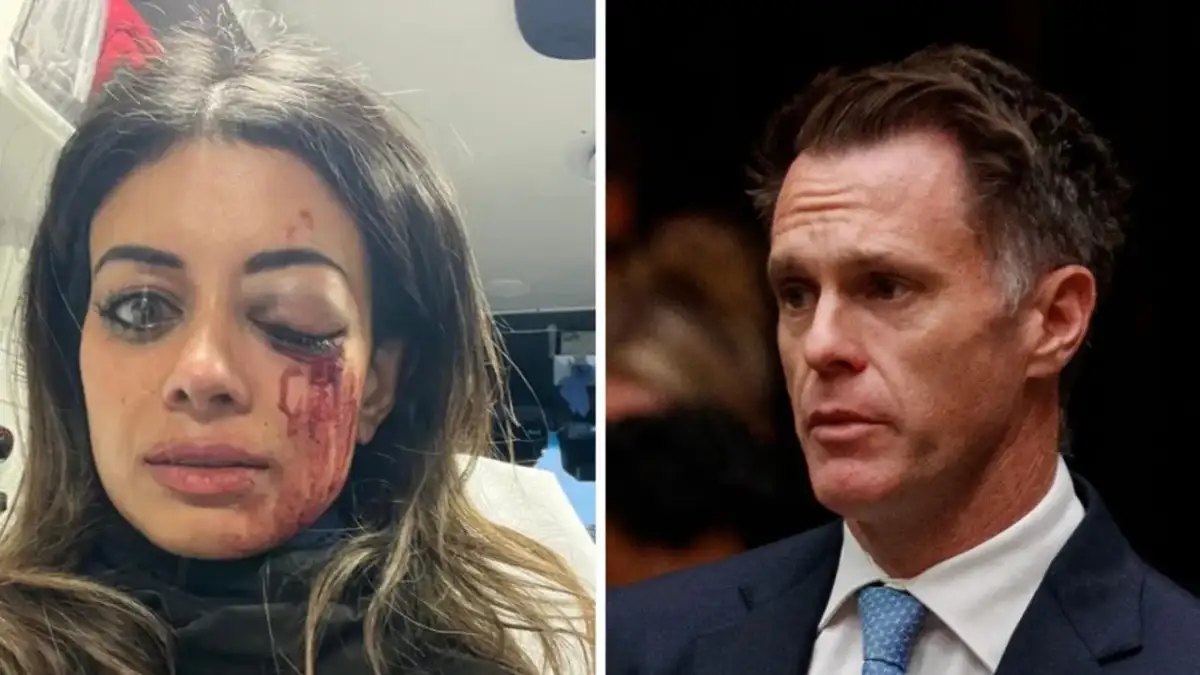
A key point of contention has been the alleged injury to a former Greens candidate, Hannah Thomas, during a police scuffle, which has since been declared a critical incident by police. The Greens argue that the Premier's government has consistently shown intolerance for protest and embodied police powers to suppress it.
Broader Political and Legal Landscape
The strike-down of the anti-protest laws forms part of a larger pattern of legal challenges and political debate surrounding protest rights in NSW. Premier Minns has faced scrutiny over his government's ongoing consideration of further protest restrictions, a move that has also drawn warnings of constitutional challenges.
Separately, and unrelated to the protest laws, a Sydney man died recently after glass panes fell on him.
In other news, Gina Rinehart has attributed Australia's reliance on fuel imports partly to the Coalition, amid an ongoing fuel crisis.
The high-profile case of soldier Ben Roberts-Smith continues, with reports of his compliance with bail conditions related to war crime murder charges.
Background: A Pattern of Legislative Conflict
The legal battle over NSW's protest laws highlights a recurring tension between state government attempts to regulate public assembly and constitutional protections for freedom of speech and association. The February 9th protest, which drew an estimated 30,000 attendees, became a flashpoint. Greens MP Sue Higginson has consistently argued that the government's approach is an "undemocratic" suppression of rights, fuelled by a desire to arbitrarily restrict public gatherings. The court's decision appears to validate these concerns, suggesting that the government's legislative efforts overstepped constitutional boundaries.
Read More: NSW ICAC Operation Rosny: Bribery Hearings Start April 7