The Independent Pricing and Regulatory Tribunal (IPART) has issued final decisions on a wave of special variation (SV) applications for the 2025-26 period. While Federation, Gunnedah, Shoalhaven, and Upper Hunter councils secured approval for increased revenue, the tribunal rejected the controversial bid by North Sydney Council.
The rejection of North Sydney’s request leaves the municipality constrained by a 4 per cent rate peg, despite council leadership warning of critical infrastructure failures, including sinking seawalls and maintenance backlogs.
Current Landscape of Municipal Funding
The struggle for fiscal breathing room has split the region into councils with granted variations and those left to navigate rising operational costs within strict legislative boundaries.
| Council | Status | Intent/Context |
|---|---|---|
| Federation, Gunnedah, Shoalhaven, Upper Hunter | Approved | Standardized SRV adjustments |
| Northern Beaches | Partially Approved | Adjusted fiscal ceiling |
| North Sydney | Rejected | Attempted 87.05% jump over 2 years; currently capped at 4% |
| Ku-ring-gai, Blacktown | Pending/Under Review | Infrastructure maintenance pressure |
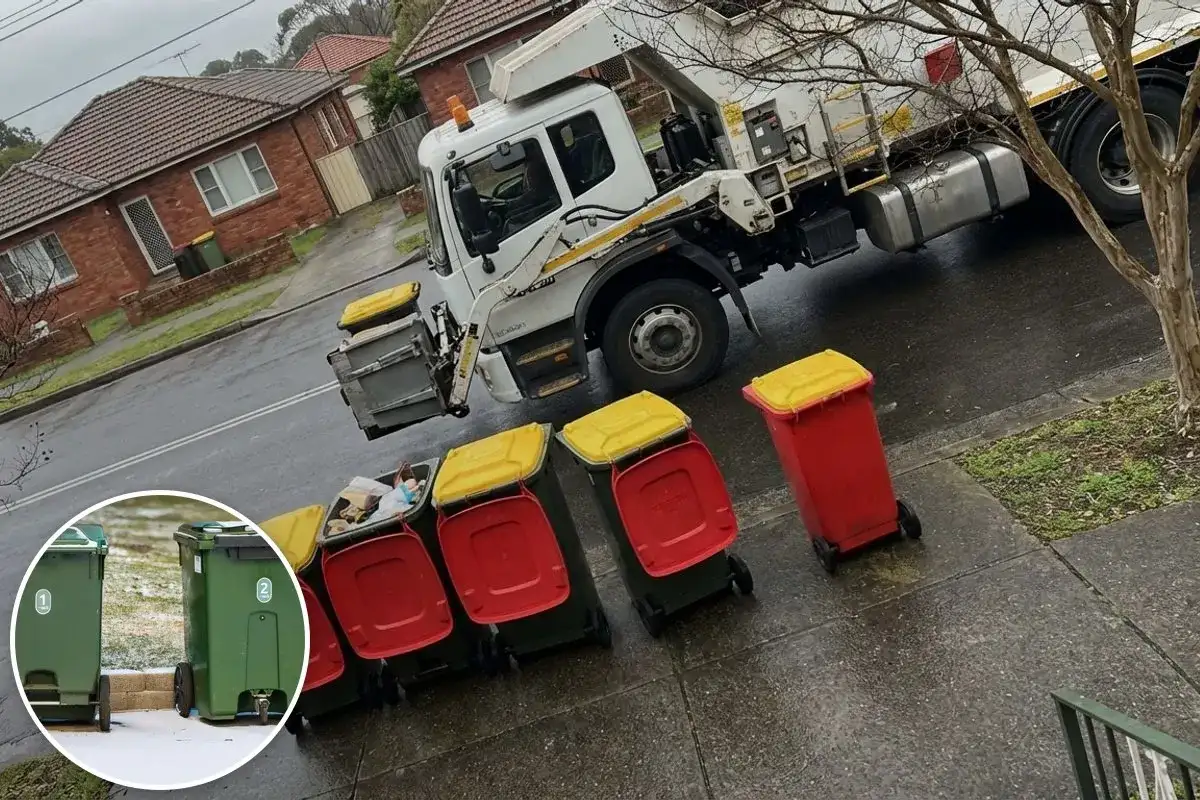
Fiscal Volatility: Rising energy costs—specifically the impact of conflict-driven fuel price surges—have forced councils like Blacktown to hoard diesel reserves to maintain waste collection, which leadership identifies as an essential public health necessity.
The Infrastructure Gap: Councils argue that years of underfunding have left assets like stormwater systems and footpaths in a state of decay, pushing them to seek Special Variations to bridge the shortfall.
Political Friction: In North Sydney, local members of parliament and community groups have pushed back against aggressive hike proposals, citing the cumulative burden of interest rate increases on families and mismanagement of capital projects, such as the Olympic Pool renovation.
The Conflict of Revenue and Sustainability
Local government in New South Wales is caught in a structural mismatch. While councils are responsible for the maintenance of local infrastructure, their ability to generate revenue is dictated by the State Government through rigid caps.
"If we don't pick up the rubbish, the state has a public health problem." — Kerry Robinson, CEO of Blacktown Council.
The rhetoric from council heads reflects a broader institutional frustration. Leaders are now lobbying for the reclassification of waste services as "essential" to unlock access to state-level revenue streams, such as the waste levy. This movement comes at a time when the economic environment has shifted sharply since the initial drafting of these applications; higher global energy costs are outpacing the inflationary buffers built into council budgets.
As of today, 03/06/2026, the divide remains: households face a future of increased levies, while the councils tasked with providing those services continue to struggle with the tension between ageing assets and limited fiscal policy options.

/cloudfront-ap-southeast-2.images.arcpublishing.com/nzme/RVI7RFHOI34HTKKRUG3LS6DNVY.jpg)