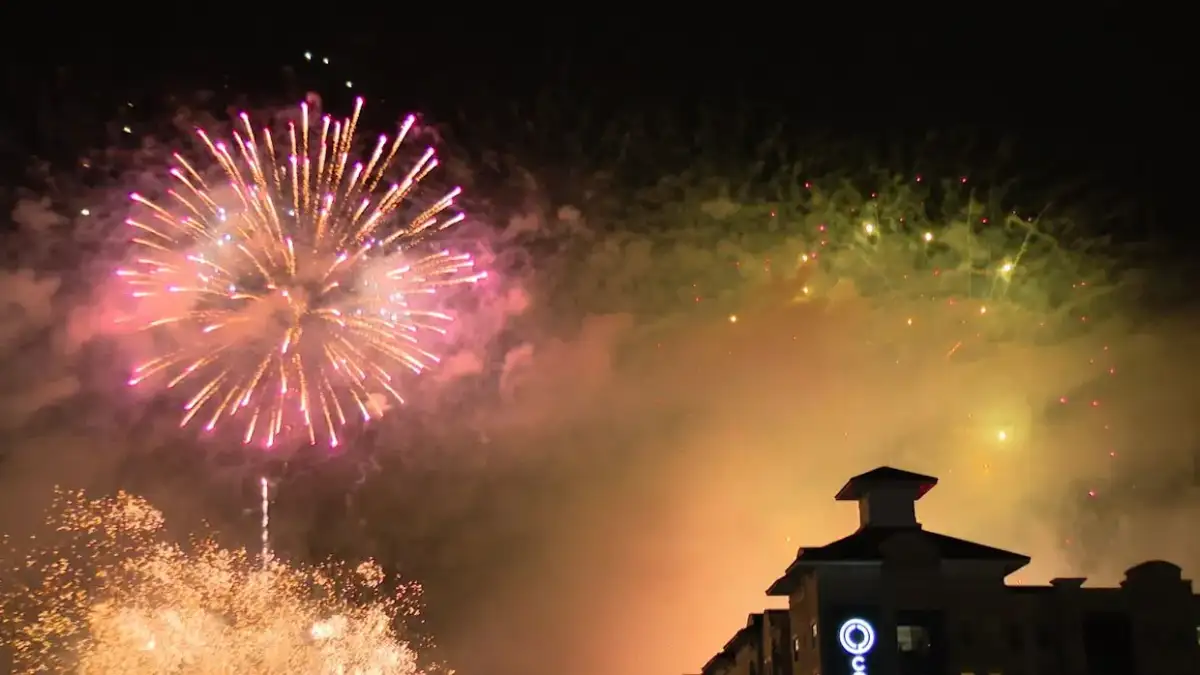
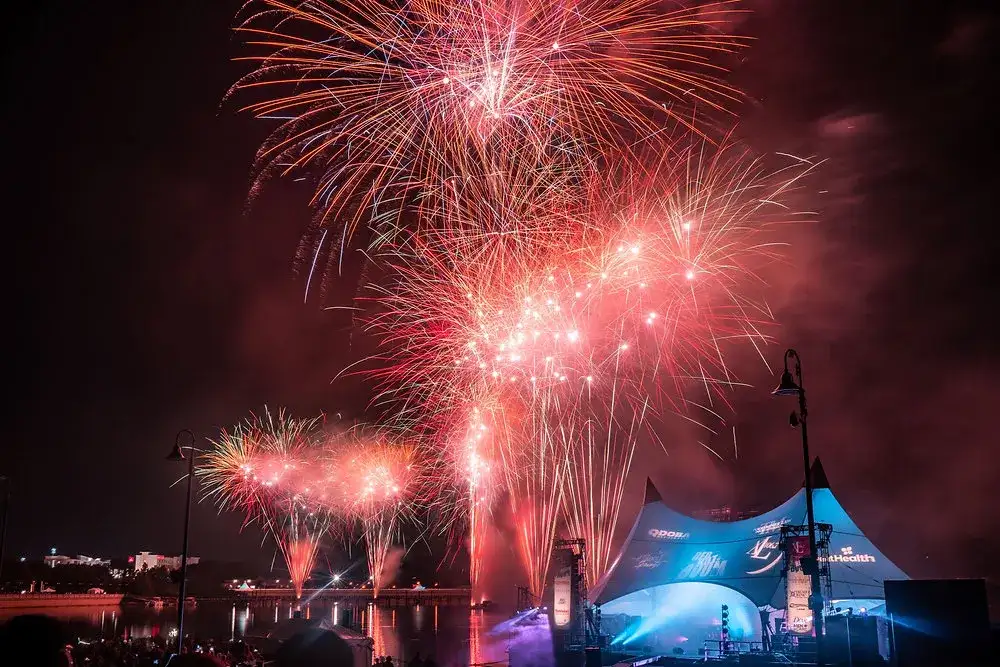
Today, April 7, 2026, serves as a quiet contrast to the intensity of the recurring Red Hot & Boom festival. While the event is historically associated with Independence Day celebrations, the operational blueprint for the 29th edition—centered at Cranes Roost Park—highlights the city's ongoing struggle to balance public access with massive infrastructure demands.
The event expects to host approximately 200,000 attendees, necessitating a complex coordination of traffic flow and security protocols. Officials emphasize that while the festival remains free, the administrative cost to the city of Altamonte Springs continues to be a point of fiscal contention, labeled by city leadership as an "investment" despite escalating market prices.
Operational Framework and Constraints
The city’s logistics team manages the park through a series of rigid mandates designed to prevent disorder within the dense crowd.
| Logistics Category | Regulatory Requirement |
|---|---|
| Public Safety | Prohibited weapons, open flames, and unauthorized grills |
| Space Management | Tents limited to 10' x 10' (sides removed); specific deconstruction times |
| Site Access | Total ban on pets in Cranes Roost Park after 7 a.m. |
Traffic Flow: Strategic closures of CenterPointe Circle and Penland Lane commence at 7 a.m., followed by Festival Drive and Cranes Roost Boulevard at 6:30 p.m. Post-fireworks, the grid converts to mandatory one-way exit routes.
Surveillance & Security: Deployment includes multi-modal teams (foot, cart, and bike) to navigate the confined geography of the event site.
Infrastructure: The site provides 65 portable restrooms, acknowledging the strain 200,000 people place on municipal plumbing.
Historical Context and Institutional Planning
The Red Hot & Boom event functions as a major Community Signal, consistently acting as the primary regional gathering outside of commercial theme parks. City Manager Frank Martz has noted that the planning cycle for this event is continuous; preparations for the current year’s cycle began immediately following the conclusion of the previous iteration.
Read More: Sydney Mardi Gras Board Members Removed Amidst Internal Conflicts
Observation: The event reflects a postmodern paradox of urban planning: a municipal government spends significant tax capital to curate an atmosphere of spontaneous public celebration, which, by necessity, must be hyper-regulated through restrictive ordinances, exclusionary zones, and mandatory traffic detours to prevent total gridlock. The "experience" is marketed as a community triumph, though it is fundamentally sustained by intensive, centralized control mechanisms.